
Quick Answer: What Is a Doodle Dog?
A “doodle dog” is a crossbreed resulting from intentionally mixing a Poodle (Standard, Miniature, or Toy) with another purebred dog breed. Originally popularized to combine the low-shedding coat traits of Poodles with the amiable temperaments of working or companion breeds, doodles have captured immense public interest. However, because they are crossbreeds rather than standardized purebreds, their physical traits, coat types, and temperaments can vary significantly even within the same litter.
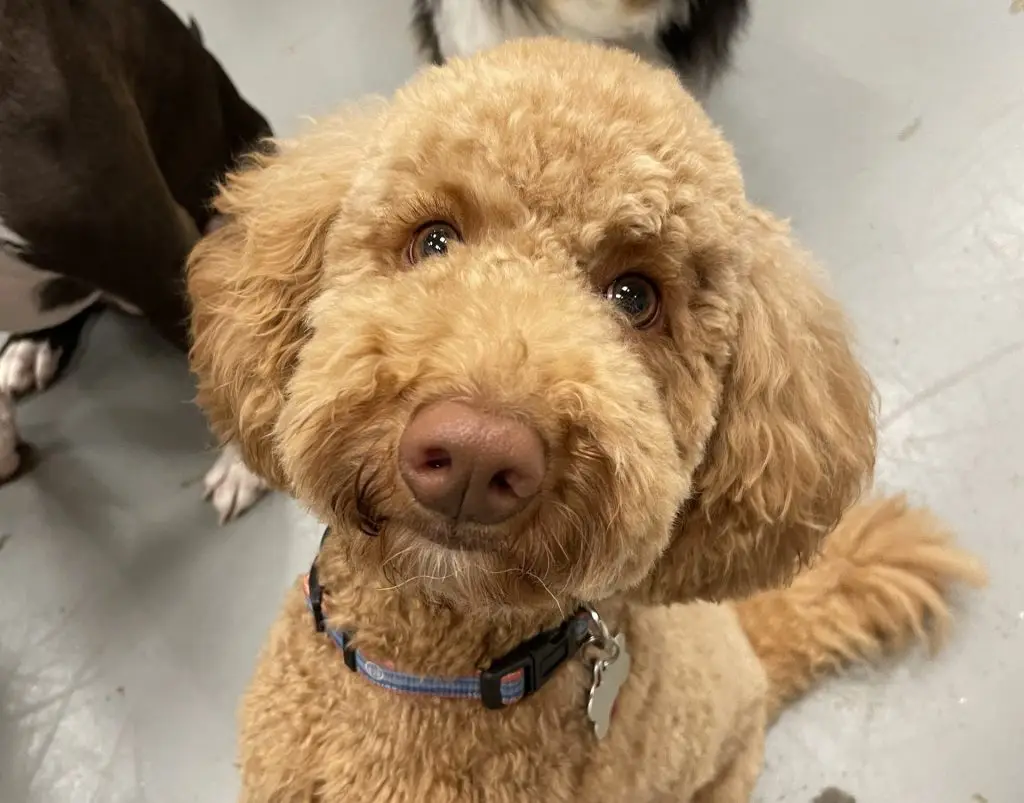
Why Doodles Are Crossbreeds, Not One Breed
Unlike recognized purebred dogs with stable pedigrees and predictable traits, doodles are hybrid dogs. Breeding two different purebreds—or crossing two doodles—creates genetic diversity. This means a single litter can display a wide spectrum of coat textures, colors, adult sizes, and personality traits.
Popular Doodle Types
Goldendoodle
A cross between a Golden Retriever and a Poodle. Known for high intelligence, social energy, and an affectionate, family-oriented disposition.
Labradoodle
A cross between a Labrador Retriever and a Poodle. Highly athletic, eager to please, and frequently utilized as service or working dogs.
Bernedoodle
A cross between a Bernese Mountain Dog and a Poodle. Characterized by striking tri-color markings, a loyal demeanor, and a calmer baseline than many smaller high-energy doodles.
Aussiedoodle
A cross between an Australian Shepherd and an Poodle. Exceptionally intelligent and high-energy, requiring robust mental stimulation and physical work.
Cavapoo
A cross between a Cavalier King Charles Spaniel and a Miniature or Toy Poodle. Compact, deeply affectionate, and well-suited to apartment or lap-dog companionship.
Maltipoo
A cross between a Maltese and a Toy Poodle. Small, gentle, and playful, known for forming intense bonds with their human owners.
Double Doodle
A cross resulting from breeding two different doodle types together (such as a Labradoodle crossed with a Goldendoodle) or combining a doodle back with a Poodle. They blend multiple retriever and poodle traits into a diverse multi-generational mix.
Doodle Size Comparison
| Doodle Size Category | Parent Poodle Type Used | Approximate Adult Weight | Common Examples |
| Toy / Teacup | Toy Poodle | Under 15 lbs | Tiny Cavapoos, Maltipoos |
| Miniature / Small | Miniature Poodle | 15 – 30 lbs | Miniature Goldendoodles, Mini Labradoodles |
| Medium | Medium Poodle | 30 – 50 lbs | Medium Bernedoodles, Aussiedoodles |
| Standard / Large | Standard Poodle | 50 – 90+ lbs | Standard Goldendoodles, Standard Labradoodles |
Doodle Coat Types and Shedding
Doodle coats generally fall into three distinct categories:
- Hair Coats: Straighter or wavy coats that shed moderately and resemble retriever fur.
- Fleece Coats: Soft, wavy, or loose-curled coats that typically shed very little.
- Wool Coats: Tight, dense curls closely mirroring a Poodle’s coat, which require intensive brushing to avoid trapping loose hairs.
Are Doodles Hypoallergenic?
No dog is truly 100% hypoallergenic, and doodles are not guaranteed to be allergy-free. While many doodles shed less than traditional shedding breeds, their dander, saliva, and outdoor allergens still cling to their multi-layered coats. Allergy responses vary widely by individual human sensitivity and specific dog coat genetics.
Grooming and Matting Requirements
Because doodle coats continue to grow rather than shedding out completely, they require rigorous, ongoing maintenance. Without daily brushing, loose hairs entangle with growing fur, forming tight mats near the skin. Professional grooming is required every 4 to 8 weeks. To manage coat care effectively, review our guide on Goldendoodle grooming and learn expert strategies for preventing mats in doodle coats. For local scheduling, explore our options for [professional doodle grooming](https://goldenpawps.com/dog-training/ / https://goldenpawps.com/dog-grooming/).
Temperament, Training, and Exercise Needs
Doodles are generally intelligent, highly social, and sensitive companions. However, their high intelligence and working heritage mean they easily become bored without structured outlets. To keep them balanced, support their development through structured doodle training support and tailor their activity levels using our guide on dog exercise needs by breed.
F1, F1B, F2, and Multigenerational Labels
Breeding terminology dictates genetic makeup:
- F1: 50% Poodle, 50% other purebred (first-generation cross).
- F1B: 75% Poodle, 25% other purebred (an F1 doodle bred back to a Poodle, often sought for lower-shedding coats).
- F2: Second-generation doodle (bred from two F1 doodles).
- Multigenerational: Multiple generations of doodle-to-doodle breeding, aiming for more predictable coat and size traits.
How to Choose a Doodle Responsibly
If you are looking to bring a doodle into your family, prioritize ethical sourcing. Look for breeders who conduct comprehensive genetic and orthopedic health testing on parent dogs (such as hip and eye clearances), prioritize puppy socialization, and maintain transparent breeding practices.
Frequently Asked Questions
What is a doodle dog?
A doodle dog is a crossbreed created by mating a Poodle with another purebred dog breed, combining traits from both parent lines.
What is a Double Doodle?
A Double Doodle is a multi-generational mix resulting from crossing two different doodle lines (such as a Labradoodle and a Goldendoodle) or breeding a doodle back with a Poodle.
Which doodle sheds the least?
Doodles with wool or curly fleece coats—particularly F1B or multigenerational crosses with higher Poodle percentages—tend to shed the least, though they require the most brushing.
How often do doodles need grooming?
Doodles need thorough brushing several times a week at home and professional clipping and grooming every 4 to 8 weeks to prevent painful matting.
Are doodles good family dogs?
Yes, doodles are generally affectionate, intelligent, and social animals that thrive in family environments, provided they receive adequate training and exercise.