
As a dedicated pet parent, you want to ensure your dog is properly fueled for their adventures. However, the timing of when you put the food bowl down is just as important as what is inside it. In the United States, veterinary experts often emphasize the “Golden Hour” rule to ensure that physical exertion doesn’t lead to serious digestive complications.
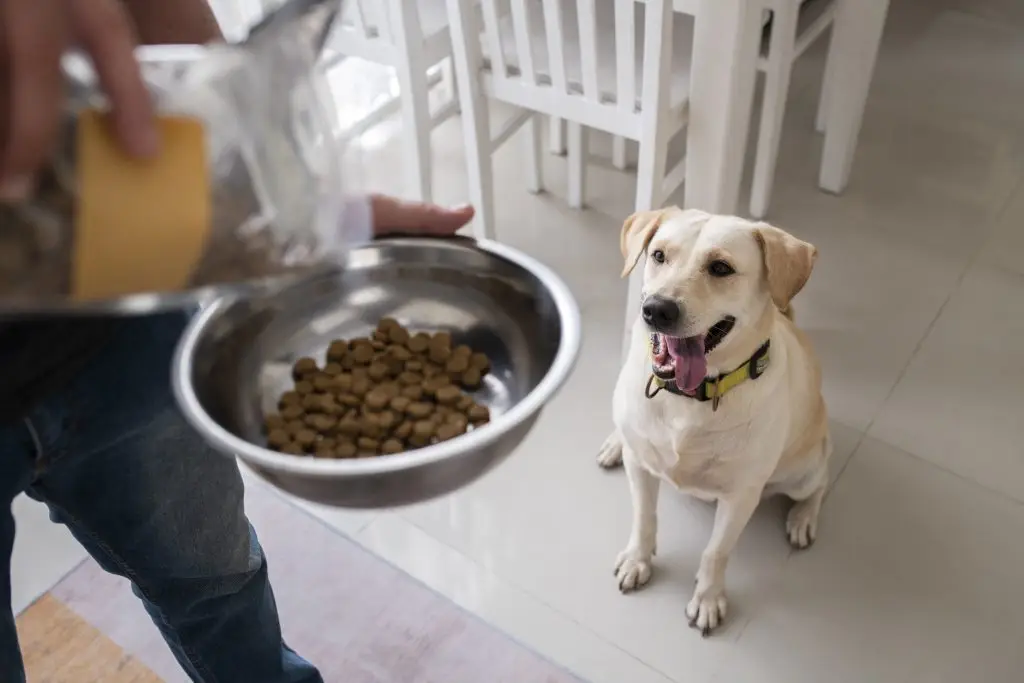
Quick Answer: Let Your Dog Cool Down First, Then Feed
The short answer is: No, you should not feed your dog immediately after intense exercise. You should wait at least 30 to 60 minutes after physical activity before providing a full meal. This delay allows the dog’s heart rate to return to a resting state, their internal body temperature to stabilize, and their digestive system to prepare for processing nutrients.
Why heavy panting can affect digestion
When a dog is panting heavily, they are gulping in large amounts of air to cool down. If they eat or drink rapidly while in this state, they are likely to swallow excessive air (aerophagia). This can lead to gas, discomfort, or even the life-threatening condition known as Gastric Dilatation-Volvulus (GDV), commonly called “bloat.” Furthermore, during exercise, the body diverts blood flow away from the stomach and toward the muscles. Feeding too soon means the stomach lacks the necessary blood flow to digest food efficiently.
Best Timing for Meals After Activity
The duration of the wait time depends largely on the intensity of the activity your dog just performed.
Light walk vs intense exercise (different recovery needs)
- Light Activity: If you’ve just taken a casual 15-minute stroll around the neighborhood, your dog likely hasn’t reached a state of physiological stress. In these cases, a 15-to-20-minute wait is usually sufficient.
- Intense Exercise: For high-intensity activities like fetch, agility training, hiking, or running, the body requires a much longer “cool-down” period. Wait at least 45 to 60 minutes until your dog has completely stopped panting and is lying down calmly.
Puppies, adults, and seniors (timing adjustments)
- Puppies: Puppies have higher metabolic rates and may need more frequent, smaller meals. However, because they are prone to “the zoomies” after eating, it is best to feed them after they have calmed down from play to prevent indigestion.
- Adults: Healthy adults can typically stick to the one-hour rule. For deep-chested breeds (like Great Danes, GSDs, or Standard Poodles), extreme caution is advised, and many US vets recommend waiting even longer—up to two hours.
- Seniors: Senior dogs may have slower digestive tracts. After a walk, let them rest fully to ensure their body can focus its limited energy on digestion rather than recovering from movement.
Post-Exercise Feeding Mistakes to Avoid
Avoiding these common pitfalls can prevent emergency trips to the vet.
Big meals immediately after hard play
Serving a large portion of dry kibble immediately after a trip to the dog park is a recipe for trouble. Kibble expands when it hits stomach acid and water; if the dog is already agitated or has swallowed air, the risk of stomach distension increases significantly.
High-fat treats right after running
While it’s tempting to reward a “good dog” with a high-calorie treat after a run, fat is the hardest macro-nutrient to digest. It slows down gastric emptying. Post-run rewards should be small, low-fat, and easily digestible—or better yet, use praise and a favorite toy until the mealtime window opens.
What to Do If Your Dog Seems Nauseous After Exercise
Sometimes, even with the best timing, a dog might feel unwell after a workout.
Warning signs
Keep an eye out for these symptoms of post-exercise gastric distress:
- Unproductive retching (trying to vomit but nothing comes up).
- Excessive drooling or foaming at the mouth.
- A visibly distended or “tight” abdomen.
- Pacing, restlessness, or inability to get comfortable.
- Whining or signs of abdominal pain.
When to talk to a vet
If your dog exhibits unproductive retching or a swollen stomach, this is a medical emergency. In the US, these are classic signs of bloat (GDV), which requires immediate surgical intervention. If your dog simply vomits once and then returns to normal behavior, they may have just over-exerted themselves, but it is always wise to monitor them and call your veterinarian for a consultation if you are concerned.
FAQs
How long should I wait to feed my dog after exercise?
A minimum of 30 to 60 minutes. Conversely, you should also wait at least one hour after eating before starting any vigorous exercise to prevent the stomach from flipping while full.
Can eating right after exercise cause bloat?
Yes. Eating while panting heavily or when the body is in a “fight or flight” sympathetic nervous system state increases the risk of swallowing air and slowing digestion, both of which are contributing factors to bloat.
What snacks are okay after training?
Small, moist treats are best. Think of “high-value” but small morsels like tiny pieces of boiled chicken or specialized training treats. Avoid large biscuits or anything that requires heavy chewing while the dog is still breathing hard.
Ensure Your Pet’s Safety with Golden Paw Pet Services
Understanding the delicate balance between fitness and nutrition is part of being a responsible pet owner. At Golden Paw Pet Services, we don’t just walk dogs; we care for their total well-being. Our professional walkers are trained to recognize the signs of heat stress and fatigue, ensuring that every dog in our care follows a proper cool-down protocol before being returned home.
We take the guesswork out of your dog’s daily routine. Whether it’s managing post-walk hydration or ensuring your pet is resting comfortably before their next meal, our team treats your dog’s health as our top priority.
Looking for a pet care partner who understands the science behind a healthy dog? Trust Golden Paw Pet Services to keep your companion safe, active, and well-cared for. Contact us today to learn more about our specialized walking and sitting packages!