
Pee pad training is about creating a specific “substrate preference.” You want your dog to recognize the unique texture and scent of the pad as their designated spot. The goal is to make the pad the most rewarding place in the house, eventually turning a forced indoor necessity into a reliable, stress-free habit.
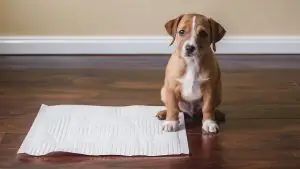
Quick Answer: How Pee Pad Training Works
Pee pad training works by restricting your dog’s environment and rewarding them for using a specific target. It is most effective for:
- Puppies: Who haven’t completed their vaccinations and cannot safely go outside.
- Small Breeds: Who may need to go more frequently than an owner can provide outdoor access.
- Urban Living: When a quick trip to a grassy area isn’t physically possible.
- The Secret: Consistency. If the pad moves, the dog gets confused. Pick a spot and stick to it.
Step-by-Step Pee Pad Training
- Choose a Quiet Pad Location: Place the pad in a low-traffic area that is easily accessible but away from their food and sleeping area. Dogs instinctively do not want to “go” where they eat.
- Limit Access at First: Use baby gates or a playpen to keep your dog in the same room as the pad. If they have too much freedom, they will find a rug that “feels” like a pad.
- Bring Your Dog to the Pad Often: Don’t wait for them to wander there. Physically lead them to the pad on a schedule.
- Use a Potty Cue: As they begin to use the pad, say your cue word (e.g., “Paper” or “Work”).
- Reward Right Away: The second they finish, provide a high-value treat. In 2026 training, we call this “Marking the Moment.”
How Often Should You Take Your Dog to the Pad?
| Trigger Event | Timing | Why It Matters |
| Waking Up | Immediately | Bladders are fullest after a night’s rest. |
| After Meals | 15–30 minutes | The gastrocolic reflex triggers a need to go. |
| After Playtime | Immediately | High excitement puts pressure on the bladder. |
| Before Bed | Last thing | Ensures a “dry” night and better sleep. |
Common Pee Pad Training Problems
- Missing the Pad: If your dog is “half-on, half-off,” they aren’t being naughty—they just don’t realize their aim is off. Use a Pee Pad Holder with raised edges to help them stay centered.
- Shredding the Pad: Puppies often think pads are toys. If they shred them, switch to a Grated Potty Tray that secures the pad under a plastic mesh.
- Using Nearby Rugs: To a dog, a soft rug feels a lot like a soft pad. If accidents happen, remove area rugs from the training zone until the habit is 100% solid.
How to Transition From Pee Pads to Outside Later
Many owners worry that pads “ruin” outdoor training. This is a myth if you follow a gradual transition:
- Move the Pad: Slowly move the pad toward the door (about a foot a day).
- The Porch Phase: Place the pad just outside the door on the porch or balcony.
- The Grass Phase: Finally, place the pad on the grass. Once they use it there, remove the pad entirely.
- Shift the Cue: Use the same “cue word” outside that you used for the pad to bridge the mental gap.
Pee Pad Training for Adult Dogs
It is never too late for an adult dog to learn. This is especially useful for:
- Senior Dogs: Dealing with incontinence or arthritis that makes stairs difficult.
- Mobility Issues: If an owner or dog cannot get outside quickly.
- Small Apartments: Providing a 24/7 option for high-rise dwellers.
FAQ About Pee Pad Training
How do I stop my dog from peeing next to the pad?
Clean the surrounding floor with an enzymatic cleaner to remove old scents. Increase the “target area” by overlapping two or three pads until their accuracy improves.
Are pee pads a good idea for dogs?
They are excellent for specific scenarios (small breeds, cold climates, or apartment living), provided you maintain a strict cleaning routine to keep your home smelling fresh.
Can adult dogs learn to use pee pads?
Yes. Use the “crate and rotate” method: keep them in a confined area, and every 3 hours, lead them to the pad and reward success.
Check it out: How to Train a Dog to Pee Outside?
Need More Help With Your Dog’s Routine?
At Golden Paw Pet Services, we know that every dog’s lifestyle is unique. Our Marlborough-based team is dedicated to providing a “Masterpiece” level of care that respects your home’s specific training goals. Whether your pup is learning to use pads or transitioning to the great outdoors, our structured daycare and grooming standards help reinforce the cleanliness and discipline your dog needs to thrive.
- Professional Routine Reinforcement: We help support your home training goals.
- Certified Care Experts: We understand animal behavior and habit formation.
- Trusted Marlborough Local: Providing high-quality pet care for the Massachusetts community.
Starting a new training phase? Contact Golden Paw Pet Services today to see how our structured programs can support your pet’s journey!