
Potty training is a game of management and prevention. The goal is to set your dog up for success so they never have the opportunity to have an accident indoors. By controlling their environment and rewarding outdoor successes, you help them develop a “substrate preference” for grass rather than carpet.
Quick Answer: The Fastest Way to Teach a Dog to Pee Outside
The “Masterpiece” secret to fast potty training is The Power of Three:
- Consistency: Take the dog to the same spot every time.
- Timing: Reward them within three seconds of finishing.
- Supervision: If you aren’t watching them, they should be in a crate or a puppy-proof pen.
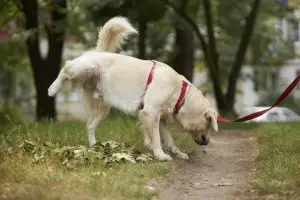
Step-by-Step Potty Training Routine
- Pick One Potty Area: Take your dog to the same 10-foot radius outside. The scent of previous successes will trigger their instinct to go again.
- Use a Cue Word: As your dog begins to go, say a phrase like “Go Potty” or “Business.” Eventually, this word will prompt them to empty their bladder on command.
- The Wait-and-Watch: Stay outside with them. Do not just let them out the back door; you need to be there to witness and reward the success.
- Reward Immediately: The moment they finish, offer a high-value treat and enthusiastic praise. Do not wait until you get back inside—the dog won’t understand what the reward was for.
Potty Training Schedule by Age (2026 Standards)
|
Age of Dog |
Max Time Between Breaks |
Critical Outing Times |
|
8–12 Weeks |
Every 1–2 hours |
After eating, sleeping, or playing |
|
3–6 Months |
Every 3–4 hours |
After crate time & heavy excitement |
|
Adult (1+ yr) |
Every 6–8 hours |
First thing in AM & before bed |
|
Senior/Rescue |
Variable (Start at 4 hrs) |
Any change in environment |
How to Teach Your Dog to Signal at the Door
Once your dog understands that “outside” is the place to go, you can teach them to tell you when they need to leave.
- Bell Training: Hang a bell on the doorknob. Every time you take them out, gently tap their paw against the bell. Within a few weeks, they will learn that ringing the bell opens the door.
- Waiting by the Door: If your dog waits at the door, immediately stop what you are doing and take them out. This reinforces that their “signal” is effective.
Common Potty Training Mistakes
- Waiting Too Long: A puppy’s bladder is roughly the size of a walnut. If you wait for them to “look” like they have to go, it’s often too late.
- Punishing Accidents: Rubbing a dog’s nose in a mess or yelling only teaches them to be afraid of you. They will simply learn to hide their accidents behind the sofa next time.
- Giving Too Much Freedom: Until your dog is accident-free for at least 4 weeks, they should not have unsupervised access to the whole house.
- Cleaning with Ammonia: Most household cleaners contain ammonia, which smells like urine to a dog. This actually encourages them to “re-mark” the spot.
What to Do When Accidents Happen
Accidents are part of the learning curve. If you catch your dog in the act, give a quick, neutral “Oops!” and immediately whisk them outside to finish.
PRO TIP: Use an enzymatic cleaner (like Nature’s Miracle) to clean messes. These cleaners contain specialized enzymes that break down the uric acid crystals, removing the scent entirely so the dog doesn’t return to that spot.
FAQ About Potty Training
How long does it take to potty train a dog?
Most puppies can be reliable within 4 to 6 weeks of consistent training, but some may take up to 6 months to be “fully” housebroken.
Can you potty train an adult dog?
Yes. Use the same routine as a puppy. Adult dogs have better bladder control, but you must “reset” their habits by treating them as if they have never been trained before for the first 14 days.
Should I use “Pee Pads”?
In Massachusetts, we often use pads during snowstorms, but be careful: pads can teach a dog that “peeing on a soft surface inside” is okay. If possible, stick to outdoor training from day one.
Need Support During the Training Phase?
At Golden Paw Pet Services, we understand that raising a well-behaved dog is a journey. Our Marlborough-based team is here to support your pet’s development through our structured daycare and care programs. We maintain a “Masterpiece” routine that reinforces good habits, helping your dog understand the balance between play and potty breaks.
- Structured Routine: We help reinforce your home training during daycare.
- Expert Guidance: Our team is experienced in animal behavior and positive reinforcement.
- Local Community Trust: Serving Massachusetts families with excellence and care.
Struggling with a stubborn pup or just started your training journey? Contact Golden Paw Pet Services today to see how our structured environment can help your dog succeed!
Check it out: How to train a dog to use a pee pad? Step-by-step guide