
Quick Answer: Senior Dogs Need Individualized Boarding Plans
Boarding an older dog requires much more than a standard kennel setup. Senior dogs need specialized care plans that account for stiff joints, delicate medication schedules, cognitive changes, and frequent rest. While traditional open-play facilities can overwhelm an aging dog, a structured, low-stress environment with compassionate handlers ensures your senior pet stays comfortable, safe, and happy while you are away.
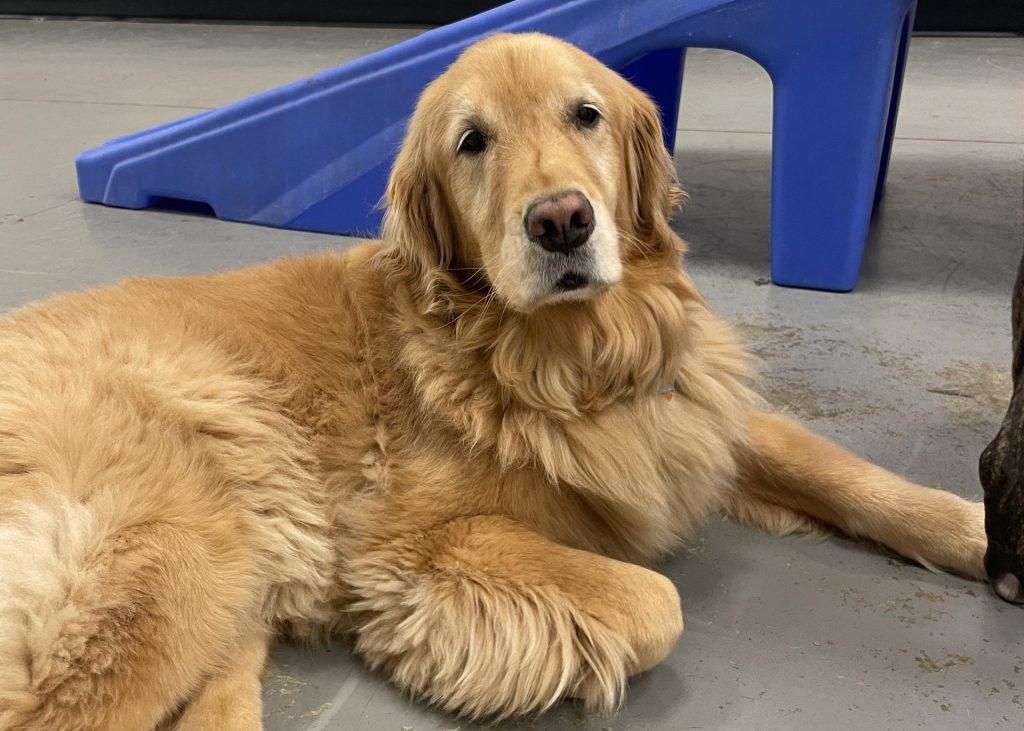
Is Boarding Appropriate for Your Senior Dog?
Deciding whether to board an aging dog depends heavily on their temperament, health stability, and daily habits. While easygoing seniors who love gentle human interaction do wonderfully in specialized boarding environments, dogs with severe cognitive dysfunction, intense medical fragility, or extreme separation panic often thrive much better with in-home care.
Information to Share With the Facility
Medical history
Provide a complete overview of chronic conditions, past surgeries, and any history of seizures or organ issues.
Medication schedule
List exact dosages, timing (e.g., morning and evening), and administration preferences (such as pill pockets or wet food).
Mobility needs
Note whether your dog needs assistance standing up, has difficulty on slick tile, or requires ramps.
Feeding
Detail exact cup measurements, dietary restrictions, or warming requirements for senior kibble.
Sleep routine
Share details on nighttime pacing, potty frequency, or preferred sleeping arrangements.
Behavior changes
Inform staff about onset signs of canine cognitive dysfunction, such as sundowning or confusion.
Comfort, Bedding, Flooring, and Temperature
Older dogs lose muscle mass and protective body fat, making them sensitive to cold drafts and hard surfaces. Quality senior boarding facilities must provide:
- Thick orthopedic memory foam or egg-crate mattresses to protect aging joints, utilizing guidance on comfort for senior dogs.
- Non-slip rubberized mats or low-friction flooring to prevent painful slips and falls.
- Strictly climate-controlled indoor rooms protected from extreme heat and winter chills.
Potty Breaks and Mobility Assistance
Senior dogs cannot “hold it” as long as young dogs. A senior-friendly boarding protocol includes:
- Frequent, predictable outdoor elimination breaks every 3 to 4 hours.
- Physical support harnesses or slings for dogs who struggle with hind-end weakness.
- Ground-level quarters that eliminate the need to navigate stairs or high steps.
Medication Administration and Monitoring
Managing complex health needs requires meticulous record-keeping. Professional boarders should track every pill, supplement, and injection with absolute precision. Staff must also monitor subtle senior dog health changes, tracking appetite drops, changes in water consumption, or lethargy.
Stress, Cognitive Changes, and Trial Stays
Older dogs experience sensory decline (fading sight or hearing) that makes new environments terrifying. If your senior dog is prone to panic or exhibits confusion, review strategies for boarding an anxious dog. Pro-Tip: Always schedule a trial day or a single overnight stay before a long trip to help your senior dog adjust without panic.
Emergency Veterinary Plan
Reputable boarding facilities maintain an ironclad emergency protocol:
- Written permission from owners authorizing immediate veterinary intervention.
- Pre-arranged transport protocols to local 24/7 emergency veterinary hospitals.
- Detailed file access detailing your regular veterinarian’s contact information and authorized medical budget limits.
Boarding vs In-Home Pet Sitting for Older Dogs
- Senior Boarding: Ideal for dogs who need round-the-clock medical monitoring, climate control, and structured daily human companionship.
- In-Home Pet Sitting: Better for frail, blind, or deeply confused dogs whose anxiety skyrockets the moment they leave their familiar house. For alternative options, explore in-home dog sitting.
Questions to Ask Before Booking
- What specific accommodations do you have for dogs with arthritis or mobility issues?
- How are medications stored and administered, and is there an extra fee for complex schedules?
- What is your nighttime staffing setup to ensure continuous overnight supervision?
- How do you handle sudden medical emergencies or a senior dog refusing to eat?
Golden Paw Senior-Friendly Boarding
At Golden Paw, we understand that older dogs require patience, specialized attention, and gentle care. Our facility offers quiet, climate-controlled resting quarters, orthopedic support, meticulous medication tracking, and customized outdoor potty schedules tailored to aging joints. To help you budget for specialized care, review our breakdown of special-care boarding cost, and contact us to arrange a tour or book your dog’s stay with our trusted senior-friendly dog boarding.
Frequently Asked Questions
Can senior dogs stay at boarding facilities?
Yes. Many boarding facilities offer specialized senior care designed around lower activity levels, customized medications, and frequent rest breaks.
How can I reduce boarding stress for an older dog?
Bring familiar bedding, a worn t-shirt that smells like home, their regular food, and schedule a trial overnight stay before your trip.
Will boarding facilities give medication?
Yes, professional pet boarding facilities routinely administer oral medications, supplements, and eye drops, provided you supply precise instructions and extra doses.
Is in-home pet sitting better for senior dogs?
If your senior dog suffers from severe cognitive dysfunction (doggie dementia) or panics in new environments, in-home pet sitting is often much less stressful.
What should I pack for a senior dog’s stay?
Pack pre-measured meals, explicit medication logs, joint supplements, their preferred orthopedic mat, and any specialized mobility aids or harnesses.
Veterinary Disclaimer: This guide is for informational purposes only. If your senior dog has complex, unstable medical conditions, always consult your veterinarian to determine if overnight boarding is safe before travel.