
Quick Answer: Quality and Condition Matter
Yes, ceramic bowls can be a great option for dogs, provided they are high-quality, food-safe, and completely free of damage. Ceramic bowls are heavy, stable, and stylish, but they require careful monitoring. Unlike cheap plastic alternatives, well-made ceramic bowls do not trap odors or harbor deep micro-scratches easily, but their safety depends entirely on the integrity of their glaze and the absence of chips.
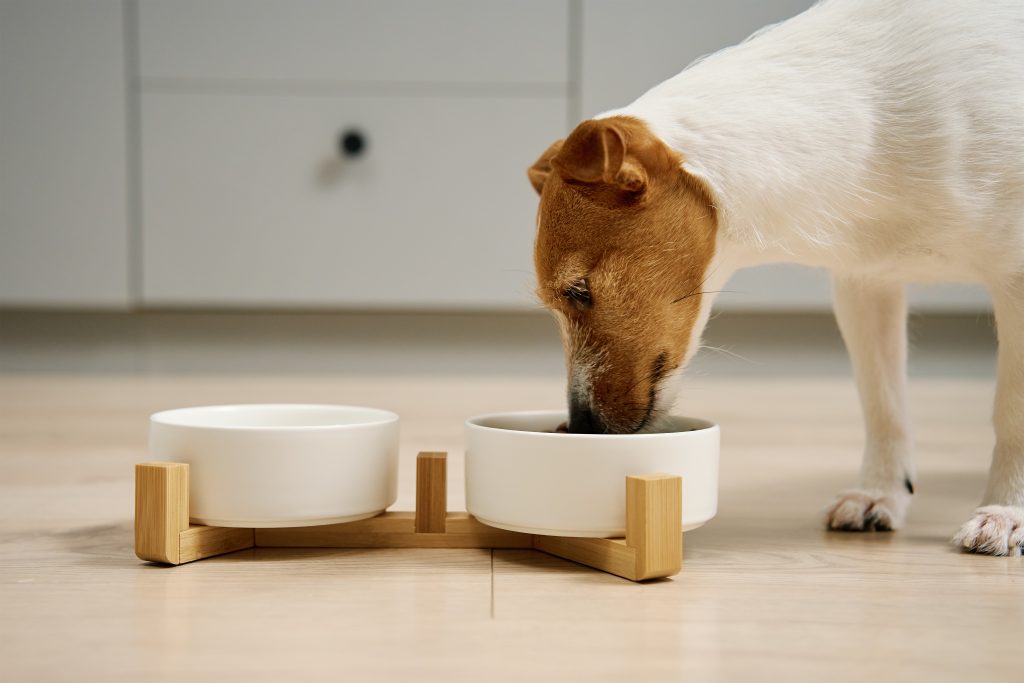
Benefits of Ceramic Bowls
- Weight and Stability: Ceramic bowls are naturally heavy, preventing enthusiastic eaters from pushing, sliding, or flipping their bowls across hard floors during meals.
- Aesthetic Appeal: They come in a wide variety of colors, weights, and decorative designs that blend seamlessly into home decor.
- Easy to Clean: A smooth, fully glazed surface is generally simple to wash and sanitize compared to pitted or scratched plastic.
Glaze, Lead, and Cadmium Safety
One of the most critical considerations with ceramic pet dishes is the chemical composition of the glaze.
- Heavy Metal Risks: Poorly manufactured or imported ceramic bowls—especially those not regulated for food use—can contain lead or cadmium in their colored or glossy finishes.
- Leaching Concerns: Over time, acidic foods or constant water contact can cause toxic heavy metals to leach from compromised glazes into your dog’s diet. Always look for explicit manufacturer labels indicating “lead-free,” “cadmium-free,” or “FDA-compliant food safe” before purchasing.
Chips, Cracks, and Bacterial Growth
Ceramic is inherently fragile and prone to chipping or cracking.
- Crazing: When fine hairline fractures (known as crazing) develop across the glaze, the porous clay underneath is exposed.
- The Bacteria Trap: These microscopic fissures absorb moisture, saliva, and food particles, creating an ideal breeding ground for harmful biofilms and bacteria that standard washing cannot clear.
Ceramic vs Stainless Steel
| Feature | Ceramic Bowls | Stainless Steel Bowls |
| Weight | Heavy, stays in place naturally | Lightweight (often needs a rubber ring base) |
| Durability | Fragile; chips or shatters if dropped | Extremely durable, dent-resistant, virtually unbreakable |
| Toxicity Risk | Potential lead/cadmium risk if glaze is unverified | Inert, non-toxic, and chemically stable |
| Hygiene | Safe when intact, but risky if crazed or chipped | Top-tier hygiene; smooth surface resists all bacterial buildup |
How Often to Wash Dog Bowls
Dog bowls should be washed at least once a day (water bowls) or after every single meal (food bowls) using hot, soapy water or a run through the dishwasher. Regular sanitization prevents the slimy biofilm layer of bacteria and yeast from accumulating.
When to Replace a Ceramic Bowl
Inspect your dog’s ceramic bowl weekly under bright lighting. You must immediately discard and replace a ceramic bowl if you notice:
- Any visible chips along the rim or base
- Cracks or a spiderweb pattern of fine lines (crazing) in the glaze
- Rough patches where the smooth outer glaze has worn away, exposing raw clay underneath
Frequently Asked Questions
Are ceramic dog bowls safe?
Yes, provided they are explicitly manufactured to be food-safe, lead-free, and are rigorously inspected to ensure the glaze is completely intact.
Can ceramic bowls hold bacteria?
Yes, if the ceramic develops chips, cracks, or a network of fine glaze fractures (crazing), microscopic spaces will trap moisture and harbor dangerous bacteria.
Is stainless steel better than ceramic?
From a strict durability and hygiene standpoint, high-grade stainless steel is generally considered the safest and longest-lasting option because it cannot chip, crack, or leach heavy metals.
How often should dog bowls be washed?
Dog bowls should be washed daily with hot, soapy water to eliminate saliva buildup, food residue, and invisible bacterial biofilms.
To explore specialized feeding arrangements—such as minimizing neck strain for tall dogs with a raised-bowls guide, managing fast eaters using a slow-feeder overview, or tailoring nutrition with senior dog food choices—browse our comprehensive pet care resources.