
Quick Answer: Slow Feeders Extend Mealtime
A slow feeder dog bowl is a specially designed feeding bowl featuring internal mazes, ridges, baffles, or labyrinths. Instead of allowing a dog to inhale their food in a matter of seconds, these physical barriers force dogs to eat in small, measured bites. By extending mealtime from 30 seconds to 10 or 15 minutes, slow feeders promote healthier digestion and prevent a host of post-meal complications.
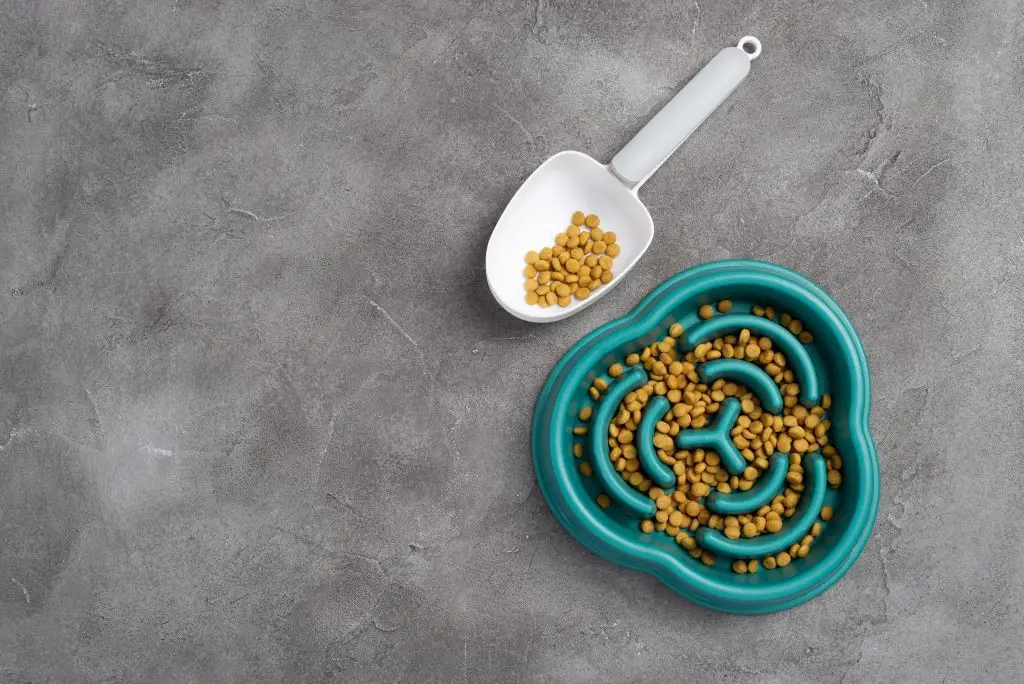
How Slow Feeders Work
Traditional dog bowls present an open, flat surface where a dog can scoop up massive mouthfuls of kibble at once. Slow feeders disrupt this habit by dividing the meal into tiny compartments. A dog must use their tongue and lips to forage around plastic or silicone obstacles, naturally slowing down their eating speed and encouraging calm, mindful consumption.
Potential Benefits
- Reduced Gas and Bloating: Eating too fast forces dogs to swallow large amounts of air, which can lead to painful gas and significantly increase the risk of Gastric Dilatation-Volvulus (GDV, or bloat).
- Prevention of Vomiting: Fast eaters often regurgitate their food immediately after meals because their stomach is overloaded; slow feeders stop this “scarf and barf” cycle.
- Mental Stimulation: Navigating the internal maze engages a dog’s brain, transforming a routine meal into a mentally enriching puzzle.
- Improved Satiety: Eating slowly allows the brain enough time to register fullness, helping prevent constant begging.
Possible Risks and Frustration
While beneficial for most dogs, slow feeders can occasionally cause issues if misused:
- Frustration and Anxiety: Highly anxious, impatient, or food-aggressive dogs may become overwhelmed by complex mazes, leading to pawing, knocking the bowl over, or whining.
- Gum and Tooth Wear: Cheap, abrasive plastic bowls can scratch gums if dogs aggressively bite down on the partitions out of frustration.
Which Dogs May Benefit
- Fast Inhalers: Dogs who finish their food before you can even set the bowl down.
- Brachycephalic Breeds: Flat-faced breeds (like Pugs or French Bulldogs) who swallow excess air when gulping food.
- Large and Deep-Chested Breeds: Dogs vulnerable to bloat, where slowing down eating is a critical safety measure.
Which Dogs May Need Another Option
- Senior or Fragile Dogs: Dogs with missing teeth, severe dental disease, or arthritis may struggle to reach food wedged deep inside complex plastic grooves.
- Easily Frustrated Dogs: Dogs prone to intense mealtime anxiety may require simpler feeding alternatives, such as spreading kibble across a flat surface or using a raised bowls arrangement.
How to Introduce a Slow Feeder
- Start Simple: Choose a slow feeder with wide, shallow ridges for your dog’s first few meals.
- Moisten the Food: Adding a splash of water, bone broth, or wet food can make the initial experience easier and more rewarding.
- Supervise: Watch your dog closely during their first few meals to ensure they understand how to use the bowl without getting overly frustrated.
Cleaning and Material Safety
Because food gets trapped in the tight crevices of slow feeder mazes, thorough daily cleaning is mandatory.
- Choose dishwasher-safe, BPA-free, food-grade materials.
- Scrub all internal corners with a small bottle brush to clear out hidden saliva and sticky food residue.
- For alternative bowl materials and safety standards, review our guides on ceramic bowls and insights into feeding and exercise safety. If you are looking for specific product recommendations and curated brand reviews, check out our companion best dog slow feeder buying guide.
Frequently Asked Questions
Do slow feeders prevent bloat?
Yes. By forcing dogs to eat slowly and reducing the amount of air swallowed with each bite, slow feeders help lower the risk of gastric dilation and torsion.
Are slow feeders good for puppies?
Yes, they help teach puppies good eating habits early in life, preventing the lifelong habit of food-rushing. Just choose a puppy-friendly design with shallow mazes.
Can slow feeders damage teeth?
High-quality silicone and smooth, hard plastic bowls will not harm teeth. However, if a dog aggressively chews and bites hard plastic dividers out of frustration, it can cause dental wear.
How do I choose the right difficulty?
Start with a wide, shallow maze for beginners, and graduate to deeper, more complex labyrinths only if your dog easily masters the initial design.