
Quick Answer: Occasional Eating vs Long-Term Feeding
If your senior dog sneaks a bite of puppy food from another pet’s bowl, there is no need to panic—occasional snacking is completely harmless. However, feeding puppy food to an older dog on a long-term, daily basis is generally not recommended. Puppy formulas are specifically engineered to support high-growth puppies with dense calories, elevated fats, and heavy protein levels, which can overload an aging senior’s system.
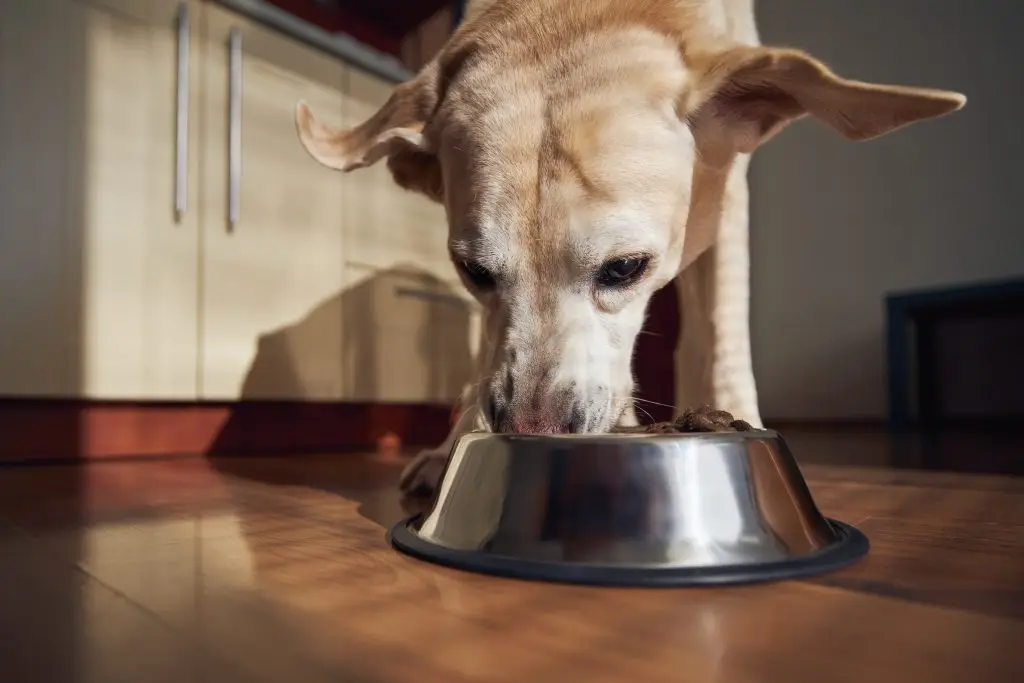
How Puppy Food Differs From Senior Dog Food
While puppy food is packed with maximum nutrition to fuel growth, senior dog food is formulated for aging metabolisms:
- Calorie Density: Puppy food contains significantly more calories per cup than senior diets.
- Fat and Protein: Puppy formulas feature higher fat percentages to support rapid energy needs, whereas senior dogs require controlled fat to prevent obesity and easily digestible protein to protect aging kidneys.
- Supplements: Senior diets often include targeted joint supplements (like glucosamine and chondroitin), whereas puppy food focuses on skeletal mineral ratios.
Potential Risks for Senior Dogs
Weight gain
Because senior dogs have slower metabolisms and lower daily activity levels, the dense calories in puppy food can rapidly cause unwanted weight gain.
Higher fat
Excess fat can strain the digestive tract and is particularly dangerous for dogs prone to pancreatitis.
Digestive upset
Switching formulations abruptly can cause vomiting, diarrhea, or severe stomach sensitivity.
Pancreatic concerns
High-fat formulas place an unnecessary workload on an older dog’s pancreas.
Mineral balance
The mineral profile in puppy food (specifically calcium and phosphorus) is balanced for bone growth, not for maintaining adult senior organ health.
Existing health conditions
Seniors with kidney, liver, or cardiac issues require strictly measured, veterinarian-prescribed diets that puppy food severely disrupts.
When Higher-Calorie Food May Be Recommended
In very rare cases, a veterinarian might temporarily suggest a higher-calorie food (such as performance or puppy formulas) for an elderly dog suffering from severe muscle wasting, terminal illness, or extreme weight loss where maintaining weight is the primary emergency goal. This should always be done under direct veterinary supervision.
What If a Senior Dog Is Losing Weight?
Unexplained weight loss in an older dog is a critical warning sign. Before changing their diet, you must investigate underlying causes—such as dental pain, organ decline, or metabolic shifts—by reviewing indicators in our guide on senior dog health changes.
Better Ways to Support Appetite and Nutrition
If your senior dog is turning away from their regular meals, try these safe alternatives instead of switching to puppy food:
- Warm up their regular senior wet or dry food slightly to enhance food aromas.
- Mix in vet-approved palatable toppers, bone broth, or cooked lean chicken.
- Establish calm, stress-free feeding environments aligned with standard senior dog care routines.
- Explore tailored nutritional alternatives outlined in our guide to senior dog food options.
How to Transition Foods Safely
If your veterinarian ever approves a diet change, always transition gradually over 7 to 10 days by mixing increasing amounts of the new food with decreasing amounts of the old food to prevent stomach upset. For related nutritional insights, read our overview on can adult dogs eat puppy food.
When to Contact a Veterinarian
Consult your veterinarian immediately if your senior dog experiences sudden weight loss, a total loss of appetite, or digestive distress after eating the wrong food. Never alter an aging dog’s diet to treat medical symptoms without professional guidance.
Frequently Asked Questions
Will puppy food make a senior dog gain weight?
Yes. The high calorie and fat content in puppy food will quickly cause an inactive senior dog to gain excess weight.
Is puppy food too high in fat for older dogs?
Generally, yes. Puppy food is much higher in fat than senior diets, which can burden an older dog’s digestive system and pancreas.
Can an underweight senior dog eat puppy food?
Only if specifically prescribed by a veterinarian. Otherwise, an underweight senior needs a veterinary evaluation to find the root cause rather than just high-calorie kibble.
What should senior dogs eat?
Senior dogs thrive on high-quality, balanced diets formulated for older dogs, featuring controlled calories, joint-supporting supplements, and easily digestible proteins.
How do I switch my dog to a different food?
Transition your dog over 7 to 10 days by gradually blending the new food into their current food to protect their sensitive digestive system.
Veterinary Disclaimer: This article is for informational purposes only and does not substitute for professional veterinary advice, diagnosis, or treatment. Always consult your veterinarian before making significant changes to your senior dog’s diet.