
Quick Answer: New Excessive Thirst Needs Attention
If your older dog is suddenly drinking significantly more water than usual (a condition known medically as polydipsia), it is not something to ignore. While minor factors like warm weather, extra activity, or a recent diet shift can temporarily increase thirst, sudden or persistent excessive drinking in an aging dog is often one of the earliest warning signs of an underlying medical condition, such as kidney disease, diabetes, or a hormonal imbalance. Schedule a veterinary checkup promptly to identify the root cause.
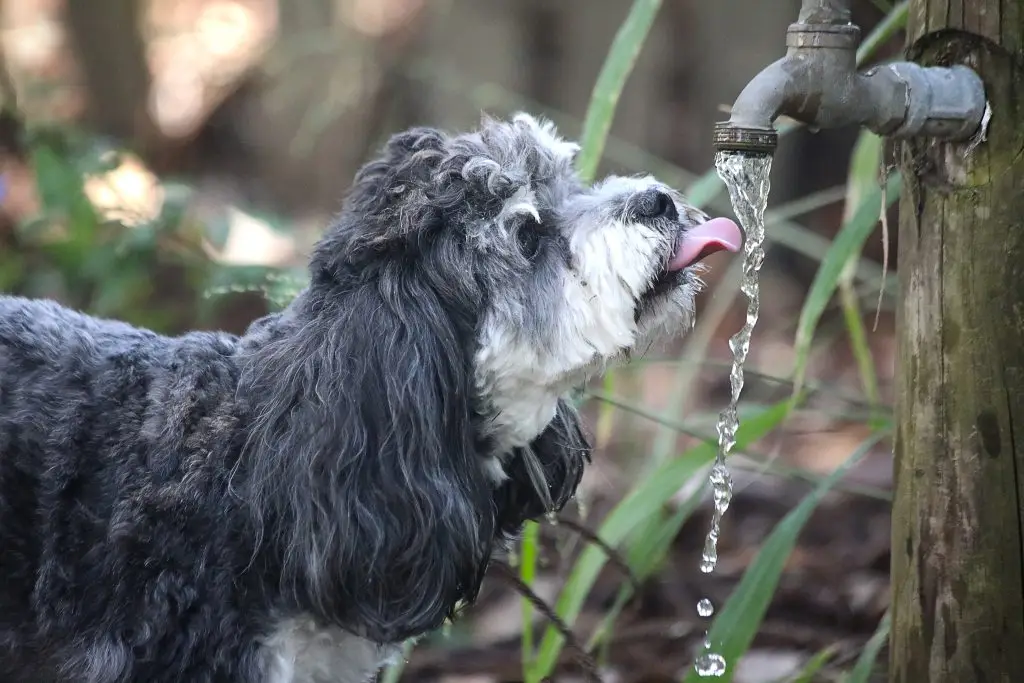
How Much Water Is Normal for a Dog?
As a general rule, a healthy adult dog drinks approximately 0.5 to 1 ounce of water per pound of body weight per day. For example, a 30-pound dog should normally consume around 15 to 30 ounces (roughly 2 to 4 cups) of water daily. If your dog is consistently drinking well above this range without an obvious environmental cause, it crosses into abnormal territory.
How to Measure Daily Water Intake
To provide accurate information to your veterinarian, measure your dog’s intake precisely for 24 to 48 hours:
- Fill a designated measuring cup or water bowl with a known exact amount of water.
- Refill from that same measured supply throughout the day, noting how much total water was added.
- Measure any water left over at the end of 24 hours to calculate the exact volume consumed.
Possible Reasons for Increased Thirst
Hot weather and exercise
High ambient temperatures, humidity, or extra-strenuous senior dog exercise naturally increase thirst.
Diet changes
Switching from moist canned food to dry kibble dramatically lowers moisture intake from meals, naturally causing your dog to drink more water from their bowl.
Medication
Certain drugs, particularly corticosteroids (like prednisone) or diuretics prescribed for heart conditions, frequently cause intense thirst and frequent urination.
Kidney disease
Aging kidneys lose their ability to concentrate urine, forcing the body to flush out toxins by passing large volumes of dilute urine, which the dog tries to compensate for by drinking constantly.
Diabetes
Diabetes mellitus impairs glucose processing, leading to high sugar levels in the urine that draw water out with it, triggering extreme thirst.
Cushing’s disease
An overactive adrenal gland produces excess cortisol, which alters kidney function and metabolic regulation, heavily increasing thirst and appetite.
Infection
Uterine infections (pyometra in unspayed females) or severe urinary tract infections often cause sudden, intense spikes in water consumption.
Symptoms to Track With Increased Drinking
When monitoring your senior dog, note whether the increased thirst is accompanied by any of these warning signs:
- Sudden or severe increase in urination frequency (needing to go out at night)
- Accidents in the house from an inability to hold it
- Noticeable weight loss, muscle wasting, or a dull coat
- Lethargy, weakness, or a sudden change in appetite (increased hunger or total refusal to eat)
When Increased Thirst Is an Emergency
Seek immediate veterinary care if your senior dog’s excessive drinking is paired with vomiting, total loss of appetite, a bloated or painful abdomen, severe lethargy, or a complete inability to stand. These can indicate acute organ failure, diabetic ketoacidosis, or severe infection. If you need help getting to the clinic, utilize pet transportation to veterinary appointments.
What Information to Bring to the Veterinarian
When you visit your vet, be prepared to share:
- The exact measured amount of water your dog drinks in a 24-hour period.
- How long this excessive thirst has been going on.
- A list of all current medications, supplements, and details regarding their senior dog nutrition.
- A fresh urine sample, if possible.
Why You Should Not Restrict Water
Never restrict or limit your senior dog’s access to water. Because excessive drinking is an involuntary physiological response to an underlying illness (such as kidney disease or diabetes), withholding water will not fix the problem. Instead, restricting water will rapidly lead to dangerous dehydration, electrolyte imbalances, and severe organ shock.
Supporting Senior Dogs at Home
While investigating medical causes with your veterinarian, ensure your home environment supports your senior pet:
- Keep multiple fresh, clean bowls of water easily accessible on non-slip surfaces throughout the house.
- Maintain regular outdoor potty breaks to accommodate increased urination frequency, utilizing insights from structured senior dog care routines.
- Monitor your dog’s daily energy levels and comfort closely.
Frequently Asked Questions
Why is my old dog suddenly drinking more water?
A sudden spike in thirst in an older dog is most frequently linked to underlying metabolic or organ conditions, such as kidney disease, diabetes, Cushing’s disease, or certain medications.
How much water is too much for a senior dog?
Consistently drinking more than 1 ounce of water per pound of body weight per day (excluding hot weather or heavy exercise) is generally considered excessive and warrants a vet visit.
Can medication cause excessive thirst?
Yes. Medications like steroids (prednisone) are notorious for causing increased thirst and increased urination in dogs.
Should I limit my dog’s water?
No. Never restrict water access. Excessive thirst is a sign of an internal medical need; limiting water can cause severe, life-threatening dehydration.
When should I call the vet?
Call your veterinarian promptly if excessive drinking persists for more than a couple of days, or immediately if it is accompanied by vomiting, lethargy, or frequent house accidents.
Veterinary Disclaimer: This article is for informational purposes only and does not substitute for professional veterinary diagnosis, advice, or treatment. Always consult your veterinarian if you notice sudden changes in your senior dog’s thirst or behavior.