
Welcoming a new puppy into your life brings up an immediate conflict for many owners: the desire to show them the world versus the need to protect their developing immune systems. Socialization is a race against time, as a puppy’s primary socialization window begins to close around 12 to 16 weeks of age. However, in the United States, the full vaccination series isn’t typically completed until that same timeframe.
Navigating this “immunity gap” is essential for raising a well-adjusted, healthy dog.
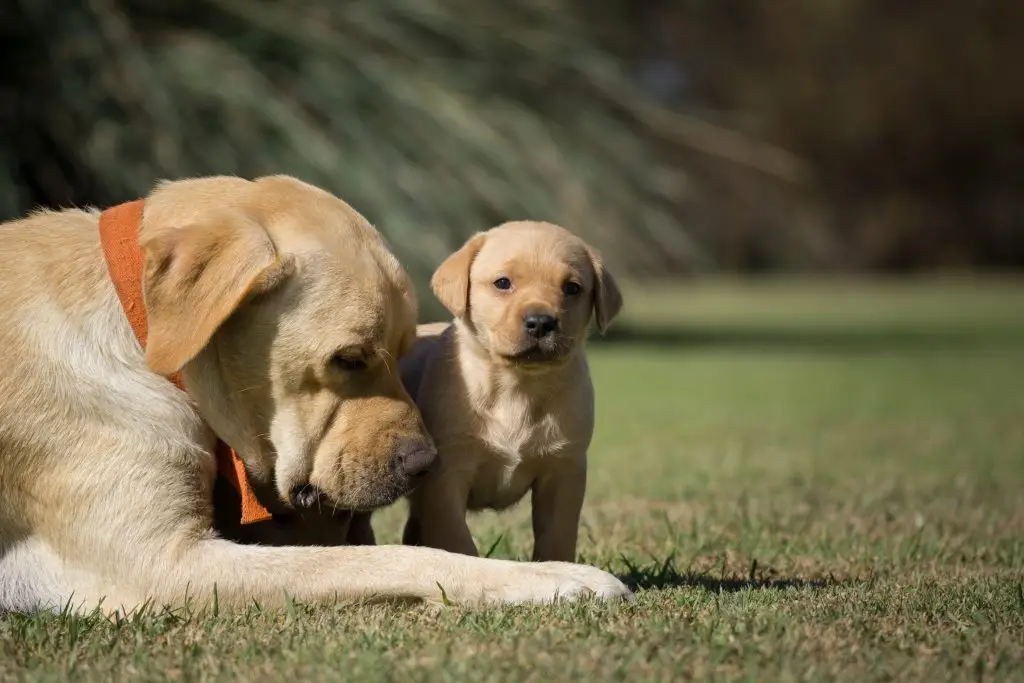
Quick Answer: After Vaccinations—With Some Exceptions
The standard conservative advice is to wait until one to two weeks after the final round of puppy shots (usually around 16 weeks) before allowing total access to public spaces. However, the American Veterinary Society of Animal Behavior (AVSAB) notes that it is often safer to begin controlled socialization earlier, as behavioral issues—not infectious diseases—are a leading cause of rehoming in the U.S.
Core vaccines and timing
In the U.S., puppies typically receive a series of “core” vaccines (distemper, adenovirus, parvovirus, and parainfluenza—often combined as DHPP) starting at 6–8 weeks, with boosters every 3–4 weeks until 16 weeks. They also receive their Rabies vaccination, which is required by law in nearly every state, between 12 and 16 weeks.
Controlled exposure vs. public places
- Controlled Exposure: Meeting a healthy, fully vaccinated dog in a private, sanitized backyard. This is generally considered low-risk after the second round of shots.
- Public Places: Locations like pet stores, sidewalk cafes, or public parks. These are high-risk areas where the vaccination status of other dogs is unknown and pathogens like Parvovirus can live in the soil for years.
Why Early Socialization Still Matters
Waiting until 16 weeks to let your puppy see the world can be a gamble. Without exposure to different sights, sounds, and other dogs during the “critical period,” puppies may grow up to be fearful or reactive.
Preventing fear and aggression
Socialization isn’t just about playing; it’s about learning that the world is a safe place. Puppies who are isolated until four months old are statistically more likely to develop separation anxiety, leash reactivity, and fear-based aggression toward strangers and other canines.
Safe ways to socialize before full vaccination
You can socialize your puppy without putting their paws on the ground.
- The “Puppy Stroller” or Sling: Carry your puppy through a busy area so they can hear traffic and see people without touching contaminated surfaces.
- Car Rides: Park near a shopping center and let them watch people pass from the safety of the trunk or window.
- Sound Desensitization: Play recordings of sirens, thunderstorms, and barking dogs at low volumes while rewarding your puppy with treats.
Safe Socialization Options for Puppies
You don’t have to keep your puppy in a bubble. There are several ways to build their social skills safely.
Fully vaccinated dogs
If you have friends or family with dogs that are healthy, up-to-date on all U.S. core vaccinations, and have a gentle temperament, these are the best “tutors” for your puppy. Private indoor spaces or fenced-in yards are the safest venues for these interactions.
Puppy classes and training programs
Many U.S. training facilities offer “Puppy Socials.” To participate, puppies usually need to have had at least one set of shots and a negative fecal exam. These environments are sanitized with veterinary-grade cleaners and supervised by professionals who can intervene if play becomes one-sided.
Supervised playdates
Focus on quality over quantity. One positive interaction with a calm, older dog is worth more than twenty chaotic interactions with other hyperactive puppies. The goal is to teach your puppy “dog language”—how to read a growl, a play bow, or a submissive tuck.
Places to Avoid Early On
Until your veterinarian gives the “all clear” (usually 10–14 days after the final 16-week booster), some areas remain strictly off-limits.
Dog parks
Dog parks are the highest-risk environments for puppies. Not only is the risk of disease transmission (Parvo, Bordetella, Canine Influenza) extremely high, but a single bad experience with an aggressive, off-leash dog can traumatize a puppy for life.
High-traffic public areas
Avoid pet store floors, popular hiking trails, and the grassy patches at rest stops. These areas act as “hubs” for germs. If you must take your puppy to a pet store for a fitting, carry them or keep them in a cart lined with a fresh towel.
FAQs
Can puppies meet other dogs before all shots?
Yes, provided the other dogs are known to be healthy, fully vaccinated, and the meeting takes place in a controlled, private environment.
Is daycare safe for puppies?
Most reputable U.S. daycares require a full vaccination series, including Bordetella and sometimes Canine Influenza. It is usually best to wait until the puppy is 4–5 months old and has the physical stamina to handle a full day of play.
How do I know if play is getting too rough?
Healthy play involves “role reversal” (switching who is chasing and who is being chased). If one dog is pinned and trying to get away, or if you see “whale eye” (the whites of the eyes showing) and tucked tails, it’s time to take a break.
Build a Lifetime of Confidence with Professional Support.
Navigating the early weeks of your puppy’s life is a balancing act that requires vigilance and expertise. At Golden Paw Pet Services, we understand the nuances of puppy development and the importance of safe, structured socialization. Our team provides the high-quality care and monitoring your pet deserves, ensuring they stay healthy while becoming the well-mannered companion you’ve always dreamed of.
Don’t leave your puppy’s social development to chance. Contact Golden Paw Pet Services today to schedule a consultation or learn more about our premium pet care options!