
Switching your dog from puppy food to adult maintenance food is a major milestone in their development. However, making the switch too early or too late can impact their long-term health. In the United States, nutritionists and veterinarians emphasize that this transition is less about the calendar and more about the closing of growth plates and the slowing of the metabolic rate.
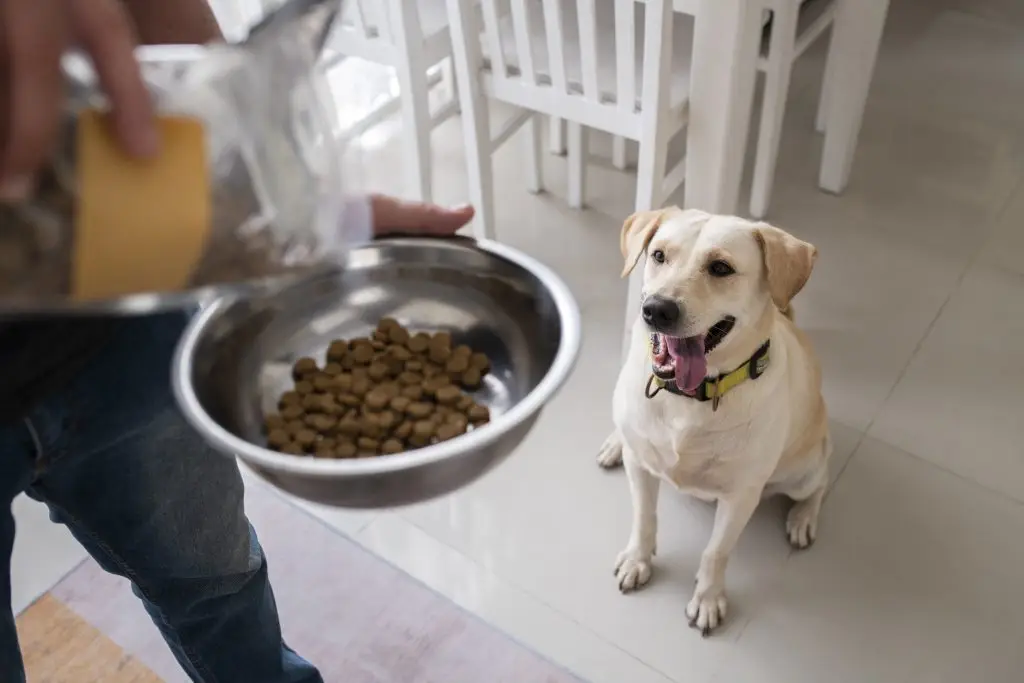
Quick Answer: Size Matters Most
The most critical factor in determining when to switch is your dog’s projected adult size. Puppy food is formulated with higher levels of protein, fat, and minerals like calcium and phosphorus to fuel rapid development.
Why large breeds switch later
Large and giant breeds (such as German Shepherds or Great Danes) have a prolonged growth period. If they are moved to adult food too early, they may miss out on essential nutrients needed for bone density. Conversely, if they stay on high-calorie puppy food too long, they may grow too fast, which puts dangerous stress on their joints and can lead to orthopedic issues like hip dysplasia.
Typical transition ages
Generally, most dogs transition between 9 and 24 months. While 12 months is the “standard” often seen on commercial packaging, your dog’s breed and individual growth rate will dictate the exact timing.
Recommended Transition Timing by Size
Following the guidelines established by the Association of American Feed Control Officials (AAFCO), here is the breakdown of when to make the change based on weight class.
Small breeds (under 20 lbs)
Small dogs mature very quickly. Because they reach their full skeletal size early, they can usually transition to adult food between 9 to 12 months.
Medium breeds (20 to 50 lbs)
Medium-sized dogs, such as Cocker Spaniels or Bulldogs, typically reach maturity around the 12-month mark. Most owners of medium breeds find that the first birthday is the perfect time to start the gradual transition.
Large and giant breeds (over 50 lbs)
This group requires the most patience. Large breeds should stay on puppy-specific formulas (specifically those labeled “for large breed puppies”) until they are 18 to 24 months old. Giant breeds may even benefit from staying on a growth formula until they are 2 years old to ensure their massive skeletal structure is fully supported.
How to Transition Safely
A sudden change in diet can cause significant gastrointestinal distress, leading to vomiting or diarrhea. American veterinarians recommend a structured transition.
7–10 day gradual switch
To allow your dog’s digestive enzymes to adapt, mix the new food with the old food using the following ratio:
- Days 1–3: 25% adult food, 75% puppy food.
- Days 4–6: 50% adult food, 50% puppy food.
- Days 7–9: 75% adult food, 25% puppy food.
- Day 10: 100% adult food.
Monitoring digestion and appetite
During this period, keep a close eye on your dog’s stool consistency and energy levels. If you notice any signs of upset, slow the transition down and spend an extra few days at the current percentage.
Signs It’s Time to Switch
If you aren’t sure if your dog is ready, look for these physical and behavioral cues.
Slowed growth
When you notice your dog has stopped gaining height and their weight has stabilized for at least a month, they have likely reached physical maturity. This is a primary indicator that the extra calories in puppy food are no longer necessary for growth.
Weight gain on puppy food
Puppy food is “energy-dense.” If your dog has reached their full size but continues to eat puppy food, they will likely begin to put on excess body fat. If you notice your dog losing their “waistline” or if you can no longer easily feel their ribs, it is a sign that their metabolism has slowed to adult levels and they need a lower-calorie maintenance diet.
FAQs
Can switching too early cause problems?
Yes. Switching too early can lead to nutritional deficiencies. In large breeds, specifically, an incorrect balance of calcium and phosphorus during the final growth stages can lead to permanent structural damage.
What if my dog refuses adult food?
Puppy food is often higher in fat and can be more “palatable” (tastier) to dogs. If your dog is picky, try adding a small amount of warm water or a vet-approved topper to the adult kibble to enhance the aroma during the transition period.
Should I consult a vet before switching?
Absolutely. Because every dog is an individual, a quick consultation with your veterinarian during a routine check-up is the best way to confirm that growth plates have closed and your dog is ready for the next stage of their nutritional journey.
Ensure a Smooth Transition with Expert Care.
Moving from puppyhood to adulthood is an exciting time, but it comes with new responsibilities and changes in routine. At Golden Paw Pet Services, we specialize in providing the consistent, high-quality care your dog needs during every developmental phase. From maintaining exercise schedules that protect growing joints to ensuring your dog stays on their specific feeding plan, we are your partners in pet health.
Ready to give your adult dog the best start? Contact Golden Paw Pet Services today to schedule a consultation or professional walking and sitting services!