
Unlike their canine counterparts who may enjoy a three-mile hike, cats are built for short, explosive movements. In a domestic setting—especially for indoor cats in the United States—providing proper physical outlets is essential for preventing weight gain and behavioral issues. Understanding your cat’s natural instincts is the first step toward a healthier lifestyle.
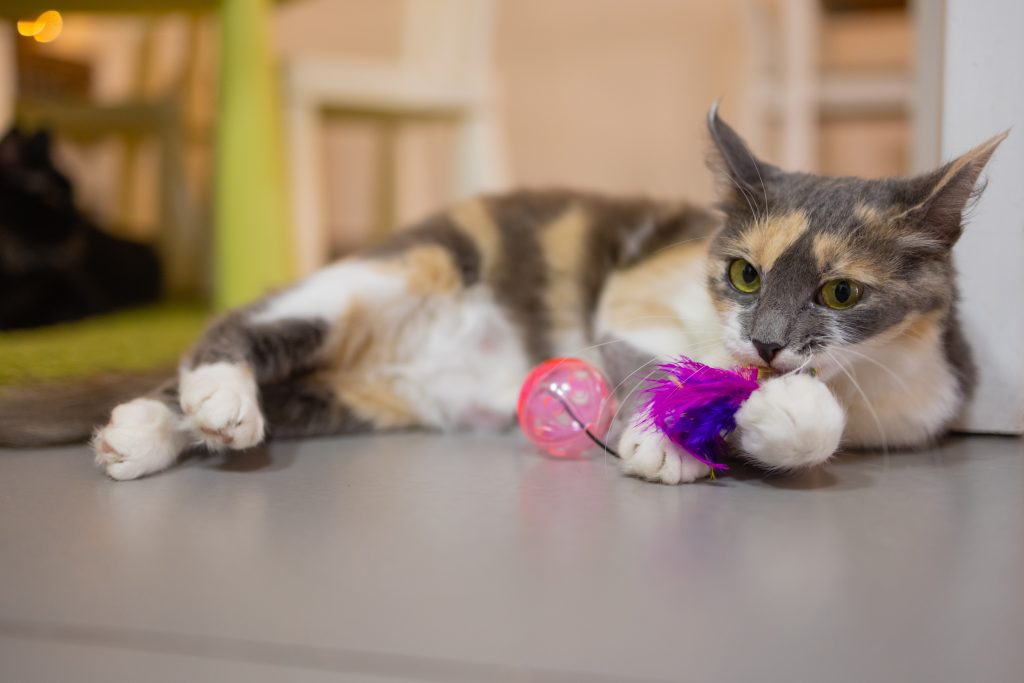
Quick Answer: Short, Daily Play Sessions Work Best
The most effective way to exercise a cat is through several 10-to-15-minute play sessions throughout the day. Because cats are sprinters, not marathon runners, these brief intervals mimic their natural hunting patterns and keep them from becoming overstimulated or exhausted.
Why cats prefer bursts of activity
In the wild, cats are “sit-and-wait” predators. They spend hours conserving energy for a few minutes of intense stalking, pouncing, and chasing. When you engage your cat in play, you are tapping into this biological “prey drive.” If a play session goes on for too long without a “catch,” your cat may lose interest or become frustrated.
How Much Exercise Do Cats Need?
The ideal amount of exercise varies significantly based on life stage and physical condition.
Kittens vs. adult cats vs. seniors
- Kittens: These “energetic sponges” often require much more interaction. They usually engage in self-directed play, but they need at least three to four structured sessions a day to burn off excess energy and learn social boundaries.
- Adult Cats: For most healthy adults, 30 minutes of total daily activity (split into two or three sessions) is the gold standard.
- Seniors: Older cats may have arthritis or reduced vision, but movement is still vital for joint health. Low-impact play, such as batting at a slow-moving feather, is ideal for keeping seniors mobile without causing pain.
Weight management and boredom prevention
According to the Association for Pet Obesity Prevention, over 50% of cats in the U.S. are classified as overweight or obese. Lack of exercise is a primary contributor. Beyond physical health, exercise is “mental floss” for cats. Without it, they develop “boredom behaviors” such as excessive grooming, destructive scratching of furniture, or nighttime zoomies that keep owners awake.
Best Cat Exercise Activities
To keep a cat engaged, you must vary the types of “prey” they are hunting.
Wand toys and chase games
Wand toys (or “fishing pole” toys) are the most effective tool for human-cat interaction. They allow you to mimic the erratic movement of birds or mice while keeping your hands safe from accidental scratches. The key is to move the toy away from the cat—prey never runs toward a predator!
Treat puzzles and food games
In the wild, cats work for every calorie. In American households, we often “free-feed,” which leads to sedentary behavior. Transitioning to food puzzles or “snack balls” forces your cat to use their paws and brain to earn their kibble. You can even hide small portions of food around the house to encourage “foraging” trips.
Climbing, scratching, and vertical space
Exercise for cats isn’t just about horizontal running; it’s about verticality.
- Cat Trees: A floor-to-ceiling cat tree encourages climbing, which strengthens the hind legs.
- Wall Shelves: Installing “cat highways” allows cats to navigate the room without touching the floor.
- Scratchers: Scratching is a full-body stretch. Ensure you have vertical posts tall enough for the cat to fully extend their spine.
Building a Routine That Sticks
Consistency is key to keeping a cat active long-term.
Timing play (morning/evening)
Cats are crepuscular, meaning they are naturally most active at dawn and dusk. Scheduling your main play sessions before you leave for work in the morning and right before your own bedtime aligns with their natural biological clock. A vigorous play session followed by a meal at night can also help your cat sleep through the evening.
Rotating toys to prevent boredom
If a toy is always available on the floor, it eventually becomes “furniture” to a cat. Keep wand toys and interactive puzzles in a closed cabinet and bring them out only for play. Rotate which toys are available each week to keep the novelty high and the “prey” exciting.
FAQs
How do I get my cat to play more?
Start slow. If your cat is sedentary, they may not know how to play. Experiment with different textures (feathers, fur, crinkle plastic) and sounds. Sometimes, even a cardboard box or a paper bag can be the ultimate “gym” for a curious cat.
Is a laser pointer good exercise?
Laser pointers are excellent for getting a cat to run, but they can cause psychological frustration because the cat can never “catch” the dot. The fix: Always end a laser session by pointing the dot at a physical toy or a treat so the cat feels a sense of completion in the hunt.
What if my cat is overweight and lazy?
Consult your veterinarian before starting a rigorous “boot camp.” For an overweight cat, start with just 2–3 minutes of movement several times a day. Focus on toys that encourage reaching and stretching rather than high-speed jumping to protect their joints.
Enrich Your Cat’s Life with Professional Support
A happy cat is an active cat. At Golden Paw Pet Services, we know that feline clients need more than just a filled food bowl—they need mental stimulation and physical play. Our specialized “Kitty Play Visits” are designed to provide the structured exercise and companionship your cat craves while you’re at the office or traveling.
We bring the “hunt” to your home with professional-grade toys and enrichment techniques tailored to your cat’s specific personality and age.
Does your cat need more excitement in their day? Give your feline friend the gift of play! Contact Golden Paw Pet Services today to book an enrichment visit and keep your cat healthy and engaged.