
Leash walking isn’t just for dogs anymore. For the modern U.S. cat owner, “adventure cat” culture has become a popular way to provide indoor felines with necessary mental stimulation and physical exercise without the life-threatening risks of free-roaming. However, unlike dogs, cats require a specialized approach that respects their unique psychology and survival instincts.
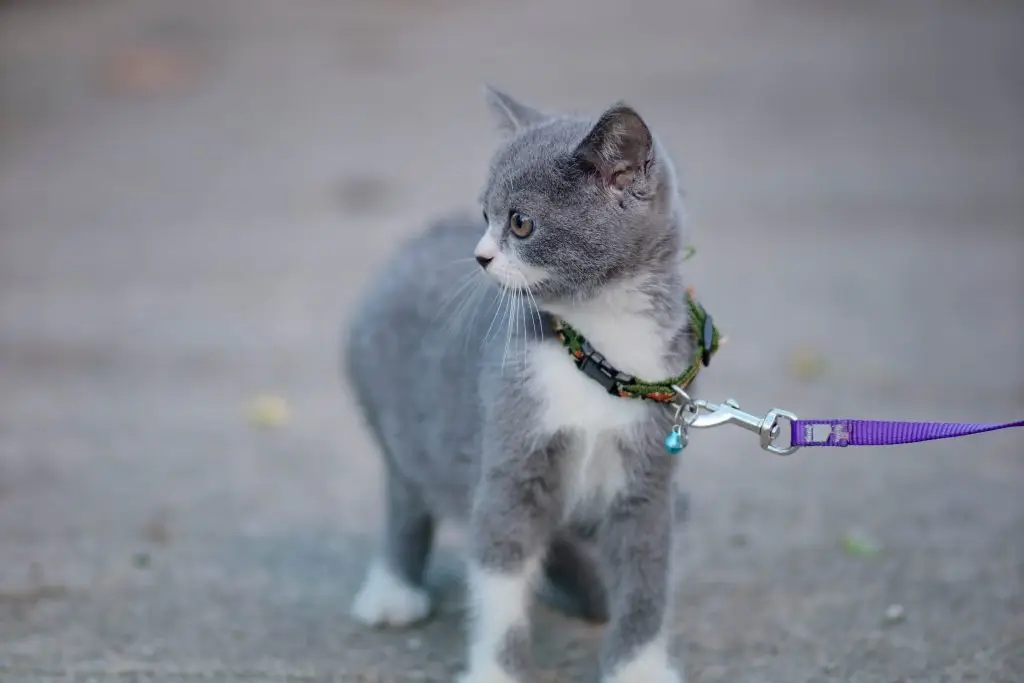
Quick Answer: Go Slow and Let Your Cat Lead
The secret to successful leash training is realizing that you aren’t “walking” the cat in the traditional sense; you are accompanying them on a supervised exploration. You must move at their pace, allow them to sniff every blade of grass, and never force them into a situation where they feel cornered.
Why patience matters more than obedience
Cats do not possess a natural “desire to please” in the same way dogs do. Their cooperation is based on trust and positive associations. If you rush the process, you risk creating a “negative association” with the outdoors that can lead to fear-based behaviors or redirected aggression. Patience ensures that the leash becomes a symbol of freedom rather than a tool of restraint.
Choose the Right Leash and Harness
Before you take your first step, you need the correct gear. Using improper equipment is the leading cause of “escaped cat” incidents during walks.
Cat-specific harness types
Standard dog harnesses are rarely suitable for cats because feline anatomy is incredibly flexible; they can “liquidize” their shoulders to slip out of gaps. Look for these U.S. market standards:
- The H-Style Harness: Consists of two loops (one for the neck, one for the chest) connected by a back strap. This is widely considered the most escape-proof option.
- The Vest or Jacket Harness: These provide more surface area contact, which can feel more secure for some cats. They distribute pressure evenly across the chest and shoulders.
- The Leash: Use a lightweight, fixed-length lead (4 to 6 feet). Avoid retractable leashes, as they can snap back and startle the cat, or create a dangerous amount of tension if the cat bolts.
Why collars are unsafe for leash walks
Never attach a leash to a standard cat collar. Cats have delicate tracheas and soft throats. If a cat gets spooked and lunges while wearing a collar, the force can cause serious neck injury or choking. Furthermore, cats can easily slip out of a collar if they pull backward. A harness is a non-negotiable safety requirement for outdoor exploration.
Step-by-Step Cat Leash Training
Step 1 — Get your cat comfortable indoors
The training begins in the living room, not the backyard.
- Scent Familiarization: Place the harness near your cat’s favorite sleeping spot or food bowl so it smells like “home.”
- Short Intervals: Put the harness on your cat (without the leash) for 2–5 minutes at a time. Immediately reward them with high-value treats (like Churu or freeze-dried chicken) so they associate the weight of the harness with a reward.
- The “Freeze” Response: Don’t be alarmed if your cat flops over or walks sideways at first. This is a natural instinctual response to feeling something on their back. Use toys to encourage them to move and “break” the freeze.
Step 2 — Introduce the leash
Once your cat walks normally in the harness, attach the leash.
- Passive Dragging: Let the cat walk around the house while dragging the leash behind them (under your supervision). This gets them used to the feeling of something following them.
- Gentle Guidance: Pick up the leash and follow the cat. Practice giving very gentle tugs and immediately rewarding the cat when they move toward the pressure rather than fighting it.
Step 3 — Practice in a quiet outdoor area
Your first outdoor excursion should not be a public park.
- The Threshold: Open the door and let the cat choose to walk out. Never carry them out and drop them in the grass, as this can be disorienting.
- Timing: Choose a quiet time of day—avoid times when neighbors are mowing lawns or walking large dogs.
- The “Safe Zone”: Stay close to the door or bring a “safe space” like a familiar cat carrier or a backpack with you. If the cat gets scared, they need a place to hide immediately.
Common Mistakes to Avoid
Forcing movement
If your cat wants to sit under a bush for 20 minutes and watch a grasshopper, let them. Dragging a cat to make them “walk” will result in a terrified animal that refuses to put the harness on next time. The goal is “Sniffari,” not a cardio workout.
Skipping indoor training
Taking a cat outside before they are 100% comfortable with the harness indoors is a recipe for disaster. If a cat panics outdoors and isn’t used to the harness, they may thrash so violently they injure themselves or find a way to escape the gear.
FAQs
Can all cats be leash trained?
While most kittens and many confident adults can learn, some highly anxious or “feral-natured” cats may never feel comfortable on a leash. If your cat shows signs of extreme distress (panting, dilated pupils that don’t resolve, or persistent hiding), they may prefer indoor enrichment instead.
How long does leash training take?
On average, it takes 2 to 4 weeks of daily indoor practice before a cat is ready for their first backyard excursion. Every cat is an individual; some may take months, while others are ready in days.
Is leash walking stressful for cats?
If done correctly, it is the opposite—it’s a stress-reliever. It provides an outlet for hunting instincts and physical energy. However, it is only “de-stressing” if the owner remains calm and the environment is controlled.
Ready to Explore the Great Outdoors?
Leash training is a journey of a thousand sniffs, and having professional guidance can make all the difference. At Golden Paw Pet Services, we specialize in feline behavioral enrichment. Whether you need help selecting the perfect escape-proof harness or want a professional “Adventure Consultant” to assist with your cat’s first outdoor steps, we are here to ensure your cat’s safety and happiness.
Unlock a world of adventure for your feline friend! Contact Golden Paw Pet Services today to schedule a personalized Feline Enrichment Consultation and start your leash-training journey with confidence.