
How We Evaluate Nail Clippers
Choosing the right nail clippers for a large dog requires examining specific engineering standards. To find the top-performing tools for heavy-duty nails, our testing and selection criteria focused on:
- Blade Steel Quality: High-grade stainless steel that resists dulling after multiple thick-nail sessions.
- Handle Ergonomics: Non-slip, rubberized grips designed to provide maximum leverage without hand fatigue.
- Safety Mechanisms: Built-in quick guards to prevent accidental over-cutting.
- Durability: Heavy-duty pivot joints and springs capable of withstanding high cutting pressure.
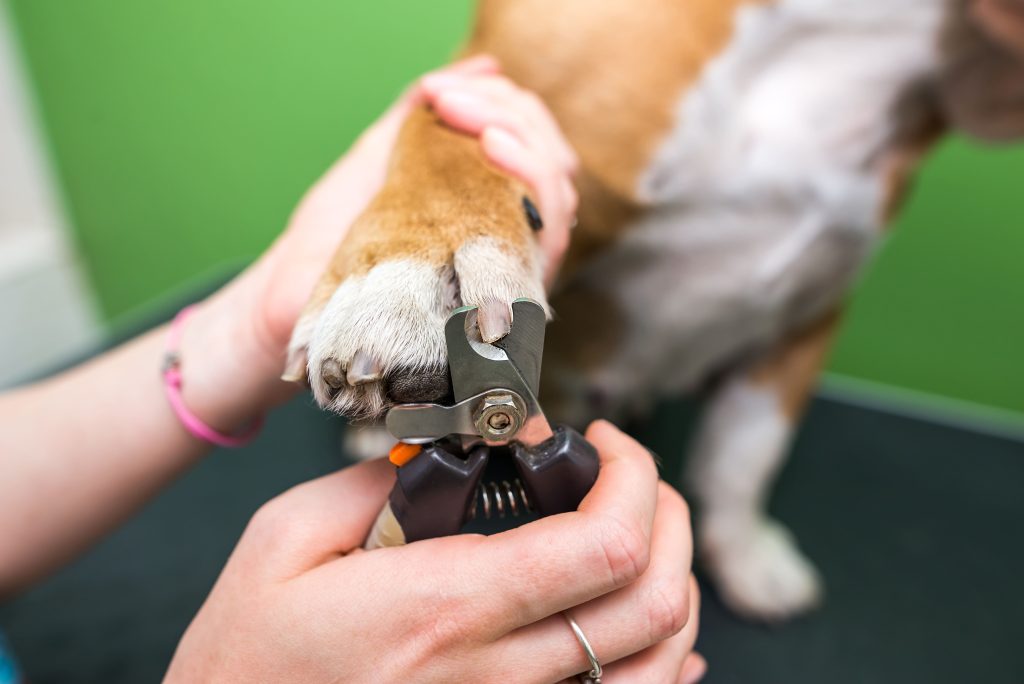
Scissor vs Guillotine Clippers
When trimming large, thick canine nails, the tool design matters immensely:
- Scissor-Style Clippers: The undisputed gold standard for large dogs. They function like heavy-duty shears, offering superior mechanical leverage, sharp surgical steel blades, and clean cuts that do not crush or split thick nails.
- Guillotine-Style Clippers: Feature a fixed hole where the nail is inserted and a sliding blade cuts upward. While popular for small dogs, guillotine clippers often struggle with the wide, dense circumference of large-breed nails and can easily fray or splinter the nail tip.
Clippers vs Nail Grinders
- Nail Clippers: Provide fast, clean cuts, making them ideal for removing large lengths quickly. However, they require a confident hand.
- Nail Grinders (Dremels): Use a spinning abrasive head to file nails down smoothly and allow you to get much closer to the quick. They are fantastic for finishing edges or maintaining short nails, but can be noisy, heat up quickly from friction, and take much longer to shorten an overgrown large-dog nail.
Features for Thick Large-Dog Nails
Large breeds like German Shepherds, Labradors, and Mastiffs possess dense, multi-layered keratin claws. Look for these essential specifications:
- Thick Blade Profiles: Avoid flimsy, thin blades that can bend under high pressure.
- Spring-Loaded Tension: Helps push the handles open automatically, reducing hand strain.
- Locking Safety Latch: Keeps the blades securely closed when stored away in your grooming kit.
How to Choose the Right Size
Always select Large or Extra-Large designated clippers. Using medium or small clippers on a large dog limits your leverage, forcing you to squeeze too hard, which increases the risk of a jagged, painful cut.
Safe Nail-Trimming Preparation
- Good Lighting: Ensure you are trimming in a brightly lit room or use a clipper equipped with an LED quick-sensor light.
- Styptic Powder on Hand: Always keep clotting powder or cornstarch nearby before you start. If an accident happens, review our emergency guide on dog nail bleeding after cutting.
- Patience and Treats: Introduce the clippers slowly, rewarding your dog with high-value treats to build a positive association.
When to Use a Professional Groomer
If your large dog becomes aggressive, deeply anxious, or struggles intensely during paw handling, forcing a home nail trim can be dangerous for both of you. Save yourself the stress by outsourcing the task. To evaluate local care options, check out our guides on professional dog grooming, typical professional grooming costs, and expected grooming session durations.
Frequently Asked Questions
What clippers work for thick dog nails?
Heavy-duty, scissor-style clippers featuring sharp stainless-steel blades and high-leverage rubberized handles are best for slicing cleanly through thick nails.
Are grinders safer than clippers?
Not necessarily. While grinders reduce the risk of a sudden chop, they can generate friction heat that burns the quick, catch long hair in the spinning barrel, and frighten noise-sensitive dogs.
How often should large dogs have nails trimmed?
Most large dogs need their nails trimmed every 3 to 4 weeks, depending on how frequently they walk on abrasive surfaces like pavement.
What if I cut the quick?
Don’t panic. Apply styptic powder or cornstarch with firm pressure for 30 to 60 seconds until the bleeding stops, and let your dog rest.