
Training your dog is as much about the “paycheck” as it is about the practice. The right treat can be the difference between a dog that ignores you and one that hangs on your every word. Understanding how to use food rewards strategically will help you build a stronger bond and faster results.
What Makes a Treat Great for Training?
In a training session, timing is everything. If a dog has to spend thirty seconds crunching on a hard biscuit, you’ve lost the momentum of the lesson.
Small, Soft, Smelly, and Quick to Swallow
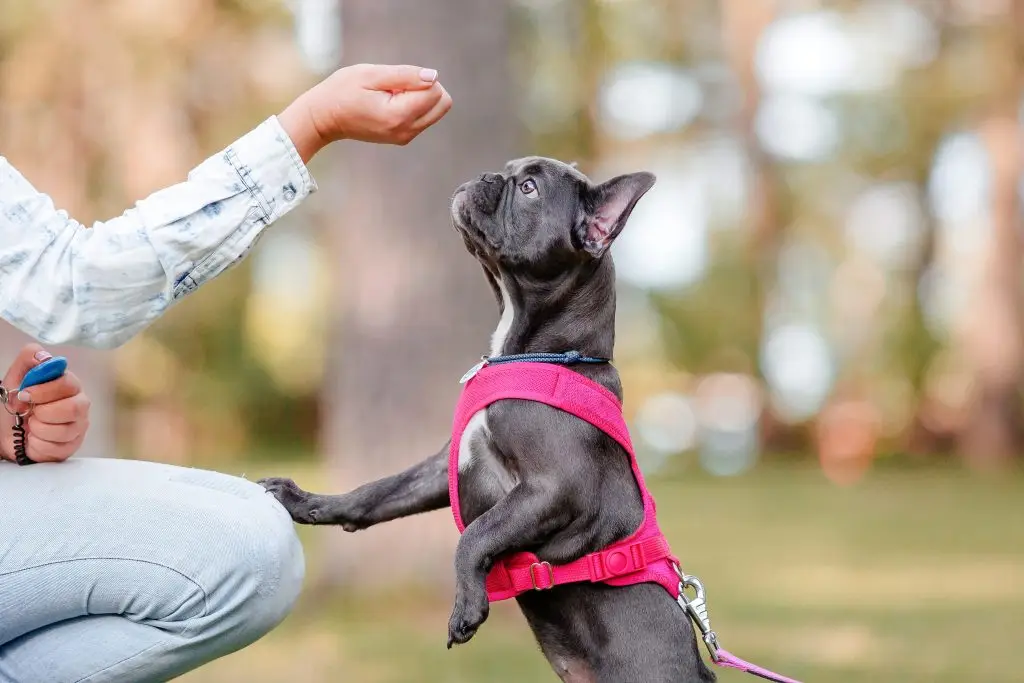
The ideal training treat is about the size of a pea. It should be soft so the dog can swallow it instantly and get back to work. Most importantly, it should be “smelly”—dogs experience the world through their noses, and a pungent scent is more likely to grab their attention in a distracting environment.
Check it out: Behavioral Dog Training: What It Is and How It Works?
Low-Calorie Strategy for Frequent Rewards
Because you may give 20–50 treats in a single session, calories add up quickly. Look for treats labeled “low-calorie” or those that can be easily broken into tiny pieces. A great example of a balanced, enticing option is the Zuke’s Mini Naturals Training Treats, which are specifically designed to be small and moist for repetitive rewarding.
High-Value vs. Everyday Treats (When to Use Each)
Think of treats like currency. A piece of kibble is a $1 bill, while a piece of freeze-dried liver is a $50 bill. You don’t need to pay $50 for a simple “sit” in your living room.
High-Value: New Skills and Distractions
Use your best treats (freeze-dried meats, cheese, or specialized training treats) when:
- Teaching a brand-new behavior.
- Working in a busy park or near other dogs.
- Practicing high-stakes commands like Recall (Coming when called).
- Leash training to keep them focused on your side.
Everyday: Maintenance Training
Once your dog knows a command perfectly, you can switch to lower-value rewards like their standard kibble or plain Cheerios for “maintenance” reps around the house.
Best Treat Types for Different Dogs
Puppies
Puppies have developing digestive systems. Stick to treats specifically formulated for puppies or single-ingredient natural rewards to avoid stomach upset. Check it out here when to start training a puppy.
Sensitive Stomachs / Allergies
If your dog has allergies, look for “limited ingredient” treats. Freeze-dried salmon or lamb lung are excellent high-value options that rarely trigger common beef or chicken sensitivities.
Weight Management
For dogs watching their waistline, use fresh vegetables like green beans, blueberries, or tiny pieces of boiled chicken breast. These provide high engagement with very low fat and calorie content.
How Many Treats Is Too Many?
The “10% Rule” is the gold standard: treats should make up no more than 10% of your dog’s daily caloric intake.
The Treat Budget
If you have a heavy training day planned, calculate the calories of the treats you’ll use and reduce their dinner portion accordingly. This prevents “training weight gain” while ensuring they stay motivated because they are slightly hungry for the session.
How to Fade Treats Without Losing Progress
You don’t want to be a “vending machine” forever. The goal is to move from a Continuous Reinforcement (treat every time) to a Variable Reinforcement schedule.
The Gambling Effect
Once your dog knows a command 90% of the time, start rewarding every second or third success. This creates a “gambling” effect where the dog performs better because they might get the jackpot this time.
Mixing in Life Rewards
Transition from food to “life rewards”:
- Praise: A high-pitched “Good boy!”
- Play: A quick 10-second game of tug.
- Access: “Sit” is the key that opens the door for a walk.
FAQs
Can I use kibble as training treats?
Yes! If your dog is highly food-motivated, kibble is the perfect low-calorie way to practice. To make it more exciting, put the kibble in a bag with a few pieces of stinky jerky overnight to “infuse” the scent.
What if my dog isn’t food-motivated?
Check your environment—they might be too stressed or distracted to eat. If they are relaxed but disinterested, try “non-food” rewards like a favorite tennis ball or a specific “training-only” toy that they only see during lessons.
Need help mastering the art of the reward? Join our “Positive Paws” workshop at Golden Paw! We show you exactly how to use high-value rewards to solve pulling on the leash and jumping on guests. Book your first session today!
Check it out: How much is dog training? Costs & what to expect