
Managing a large dog on a leash requires more than just strength; it requires the right equipment. Whether you are walking a powerful Labrador, a high-energy German Shepherd, or a muscular Rottweiler, the harness you choose can make the difference between a stressful struggle and an enjoyable outdoor adventure.
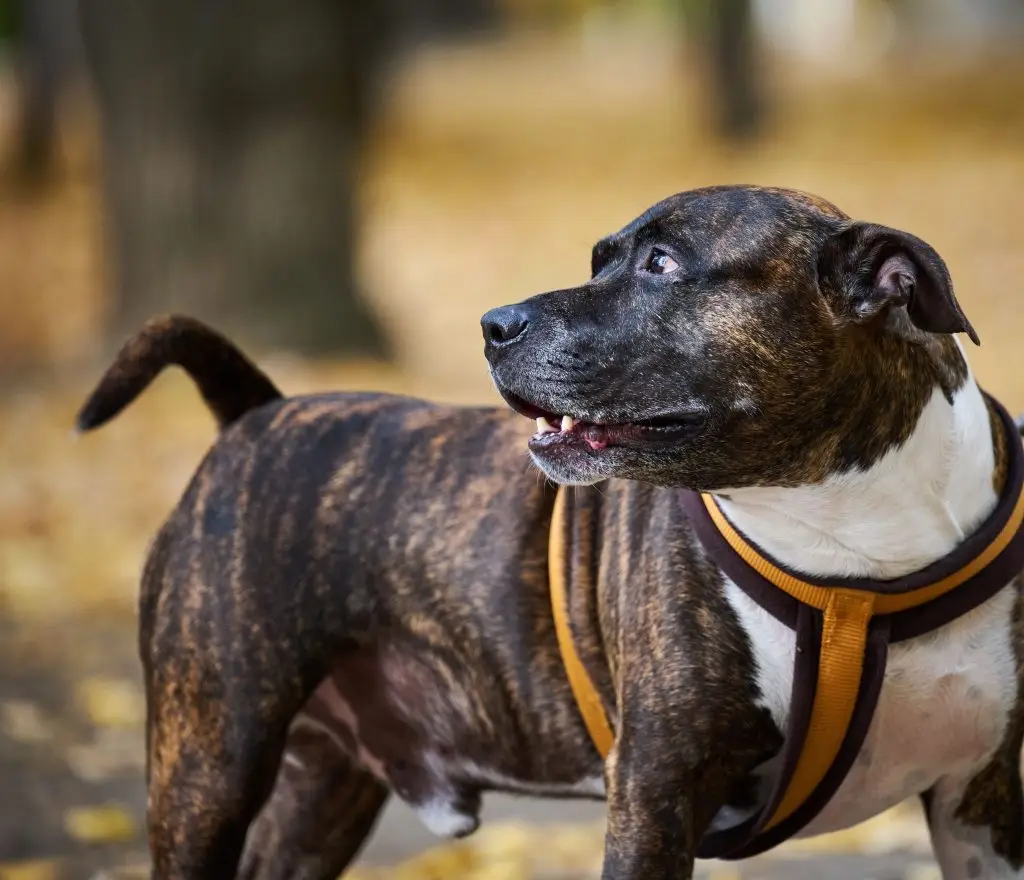
Why Large Dogs Need the Right Harness
Large dogs possess significant physical power. Standard collars might suffice for a well-trained dog, but for most large breeds, a harness provides a level of safety and mechanical advantage that a collar simply cannot match.
Control During Walks
A harness distributes the dog’s pulling force across the chest and torso rather than focusing it entirely on the neck. This gives the handler better leverage over the dog’s center of gravity, making it much easier to redirect a 70+ pound animal if they decide to lung toward a squirrel or another dog.
Preventing Neck Strain
Large dogs that pull hard on a traditional collar are at risk for tracheal collapse, thyroid damage, and ocular pressure. Because large breeds can pull with incredible force, a harness is a vital tool for protecting their delicate throat structures and cervical spine.
Training Support
Harnesses are excellent transitional tools for obedience training. They allow for clear physical communication between the handler and the dog without the risk of choking, making the learning process more positive and less restrictive.
Types of Harnesses for Large Dogs
Not all harnesses are created equal. Depending on your dog’s behavior, one of the following styles may be more appropriate:
Front-Clip Harness
This is the gold standard for “pullers.” The leash attaches to a D-ring on the dog’s chest. When the dog pulls, the tension steers them back toward the handler, effectively neutralizing their forward momentum.
Back-Clip Harness
Best for large dogs that are already well-trained on the leash. The attachment is on the top of the back. While comfortable, it does not discourage pulling—in fact, many dogs find it easier to pull against a back-clip (the “sled dog” effect).
No-Pull Harness
These often combine front-clip technology with tightening straps that apply gentle pressure under the “armpits” or across the chest when the dog lunges, signaling them to slow down.
Tactical Harness
Popular for working breeds and hikers, these are heavy-duty vests made from military-grade nylon. They often include handles on the back, allowing the owner to physically lift or steady the dog over obstacles. For a highly-rated example of a durable, versatile option, many owners choose the Rabbitgoo Dog Harness, which offers both front and back clips for maximum flexibility.
What to Look for in a Large Dog Harness
When shopping in the U.S. market, look for these specific “heavy-duty” features:
- Adjustable Straps: Look for at least four adjustment points to ensure a snug fit that doesn’t chafe.
- Strong Buckles: For large dogs, metal buckles or high-impact Nifco plastic are essential.
- Padded Chest Plate: This cushions the impact if the dog suddenly lunges, protecting the sternum.
- Durable Stitching: Look for “box-stitching” or reinforced “X” patterns at tension points to prevent the harness from snapping under pressure.
Harness vs. Collar for Large Dogs
While collars are necessary for holding ID tags, they are often insufficient for primary control. A collar can easily slip over the head of a dog with a thick neck and small head (like a Greyhound or a thick-necked Pitbull). A harness is “escape-proof” when fitted correctly, providing peace of mind in high-traffic urban environments.
Check it out: Types of Dog Collars
Common Harness Mistakes
Wrong Sizing
A harness that is too loose will cause “chafing” in the armpits, while one that is too tight can restrict shoulder movement. You should always be able to fit two fingers between the strap and the dog’s body.
Poor Adjustment
Many owners forget to re-adjust the harness as the seasons change. A harness fitted over a summer coat may be too tight once the winter undercoat grows in.
Using the Wrong Type for Training
Using a back-clip harness for a dog that hasn’t mastered “heel” is a common error. It actually gives the dog more power to pull you down the street.
Check it out: Can a Dog Wear a Harness All the Time?
FAQs
Is a front-clip harness better for pulling?
Yes. It provides the most mechanical advantage by redirecting the dog’s head and chest back toward the walker whenever tension is applied.
Are harnesses safe for puppies?
Absolutely. In fact, they are recommended for puppies to prevent damage to their developing necks and throats. Check it out here what is the best dog harness for puppies.
Can a harness stop leash pulling completely?
A harness is a tool, not a cure. It makes the dog easier to manage, but true “loose-leash walking” requires consistent positive reinforcement training.
Check it out: How to Put On a Dog Harness Correctly?
Professional Leash Training in Marlborough, MA
Even with the best equipment, some large dogs require professional guidance to master the art of the walk. If you are in the Marlborough area and find yourself struggling with a powerful puller, professional intervention can help. Expert trainers can help you choose the right gear and implement techniques that ensure your walks are a highlight of the day rather than a workout. Proper socialization and leash manners are the foundation of a happy life for a large dog in a suburban environment.