
Bone broth has become a “superfood” trend in the human wellness world, and it has quickly migrated into the pet industry. For many dogs, this nutrient-dense liquid can be a transformative addition to their diet—but only if it is prepared and served correctly.
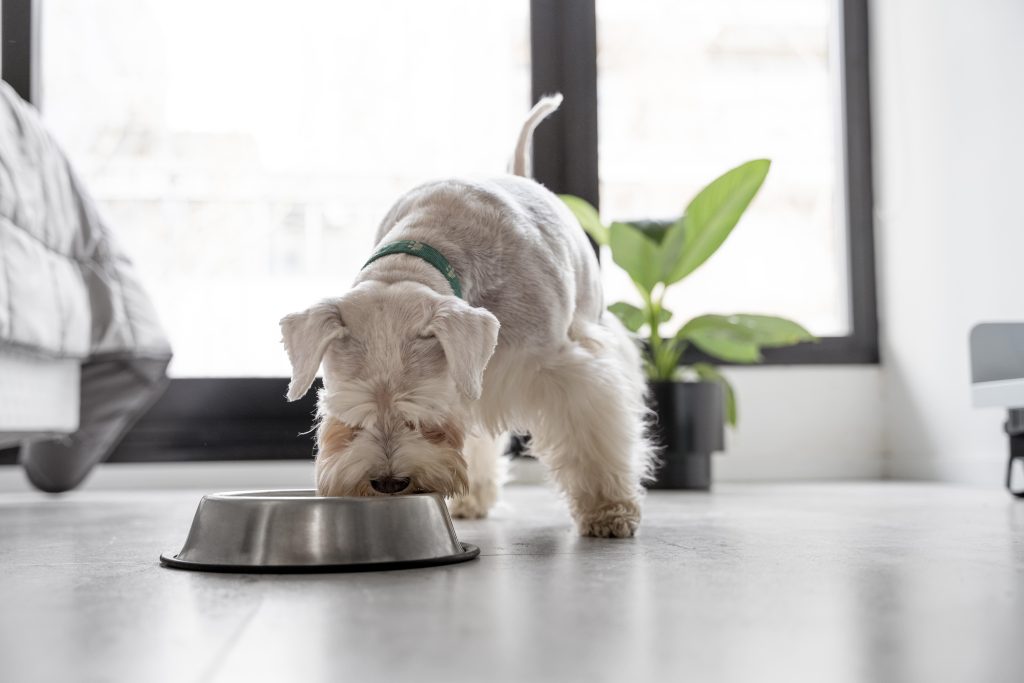
What Is Bone Broth?
Unlike standard stock, which is simmered for a few hours, bone broth is made by simmering animal bones and connective tissues for 24 hours or more. This long cooking process breaks down the bones to release vital nutrients into the water.
Nutrients Found in Bone Broth
True bone broth is packed with essential minerals including magnesium, calcium, and phosphorus. It also contains amino acids like glycine, which supports liver detoxification and metabolic health.
Collagen and Joint Support
One of the primary reasons owners turn to bone broth is for its high collagen content. As the bones simmer, they release gelatin, which is a broken-down form of collagen. This helps maintain the “cushion” between joints, making it an excellent supplement for active dogs or those suffering from arthritis.
Benefits of Bone Broth for Dogs
Hydration Support
Many dogs, especially those on a strictly dry kibble diet, live in a state of mild dehydration. Bone broth is a flavorful way to increase fluid intake, especially during hot Massachusetts summers or for dogs who aren’t naturally big drinkers.
Digestive Health
The gelatin in bone broth helps seal the mucosal lining of the gut. This makes it a go-to remedy for “leaky gut syndrome” and other inflammatory digestive issues, as it helps soothe the intestinal tract.
Appetite Stimulant for Picky Eaters
If your dog is turning their nose up at dinner, a splash of warm bone broth can provide the aromatic punch needed to entice them. It is also a great way to soften kibble for dogs with dental pain.
Senior Dog Support
Older dogs often experience a combination of joint stiffness, decreased appetite, and lower energy. The easy-to-digest nature of bone broth provides a nutrient boost without taxing a senior dog’s digestive system.
When Bone Broth Is NOT Safe
While the broth itself is healthy, many versions—especially those intended for humans—can be toxic to dogs.
High Sodium Store-Bought Versions
Standard grocery store broths (even “low sodium” versions) often contain salt levels far exceeding a dog’s daily requirement. Excessive salt can lead to salt poisoning or worsen heart and kidney conditions.
Onion and Garlic Toxicity
Most human-grade broths are simmered with onions and garlic for flavor. Onions and garlic are toxic to dogs, as they can cause oxidative damage to red blood cells, leading to anemia. Always check the label for “natural flavors” or “spices” which may hide these ingredients.
Allergies and Sensitivities
If your dog has a known allergy to beef or chicken, they will react similarly to the broth derived from those bones. Always introduce a new broth slowly to ensure there are no adverse reactions.
How to Safely Give Bone Broth to Dogs
Portion Sizes by Weight
As a general rule, you can offer 1 ounce of bone broth per 10 pounds of body weight.
- Small Dogs (under 20 lbs): 1–2 ounces per day.
- Medium Dogs (20–50 lbs): 3–5 ounces per day.
- Large Dogs (over 50 lbs): 6+ ounces per day.
Frequency Guidelines
Bone broth should be treated as a supplement or topper, not a meal replacement. Daily use is fine for most dogs, but start with 2–3 times a week to see how their stomach reacts.
Homemade vs. Store-Bought
Homemade is the safest option because you control the ingredients (bones, water, and perhaps a splash of apple cider vinegar to help extract minerals). If buying store-bought, ensure it is specifically formulated for pets and labeled as “human-grade” but “onion and garlic-free.”
FAQs
Can puppies have bone broth?
Yes! It is a great way to support their rapidly developing joints and bones. Introduce it in very small amounts (a tablespoon) to avoid upsetting their sensitive puppy tummies.
Is bone broth good for diarrhea?
It can be. Because it is gentle on the stomach and helps with hydration, it is often used after a bout of vomiting or diarrhea to help settle the digestive system, similar to a “bland diet.”
How much bone broth is too much?
Too much of anything can cause loose stools. If your dog begins to have diarrhea after adding broth, reduce the amount or frequency.
Nutrition & Care Support in Marlborough, MA
For residents of Marlborough and the surrounding MetroWest area, choosing the right nutrition for your pet can feel overwhelming. Whether you’re shopping at local pet boutiques near the Apex Center or looking for veterinary advice, it’s important to have a support system that understands local pet health needs.
If you are looking for high-quality, safe chewing alternatives to complement your dog’s liquid nutrition, consider these top-rated options:
- Durable Dog Bones for long-lasting engagement.
- Specialized Dental Chews to keep their smile healthy.
Need a local recommendation for a holistic vet or pet nutritionist in Marlborough? Reach out to our team for a list of trusted local resources to keep your pup thriving!