
Brushing your dog’s teeth might seem like a daunting task, but it is the most effective way to prevent painful dental disease and expensive veterinary cleanings. The goal isn’t just a clean mouth; it’s a healthier, longer life for your companion. With the right tools and a patient approach, you can turn this essential chore into a rewarding part of your daily routine.
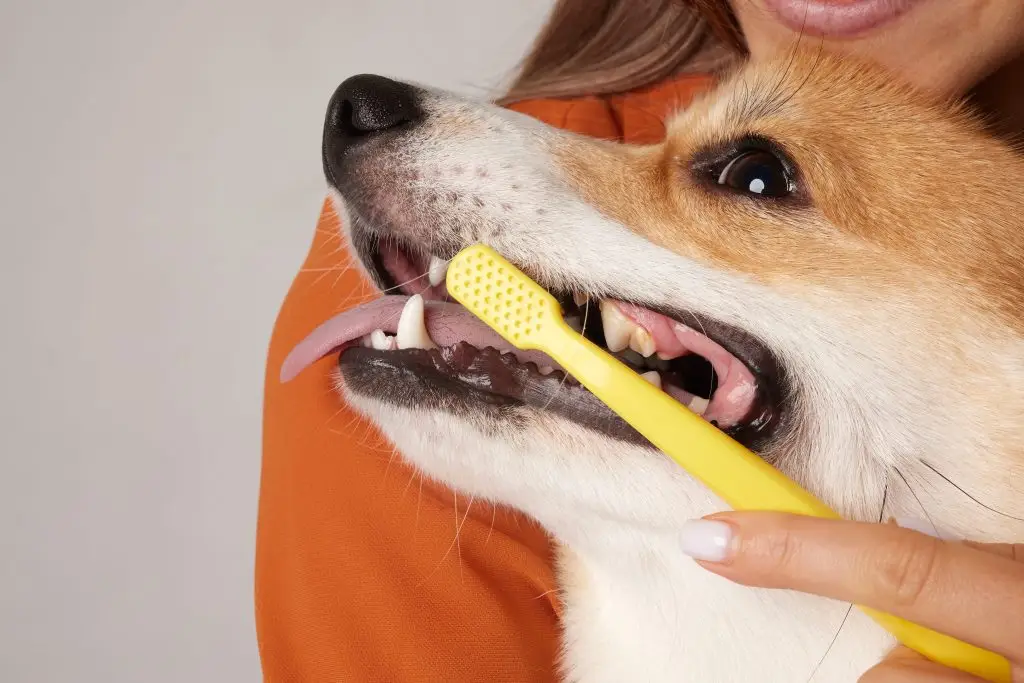
Quick Answer: Use Dog Toothpaste and Gentle Motions
The secret to successful dog teeth brushing is patience and palatability. You must use a toothpaste specifically formulated for canines (never human toothpaste) and move in gentle, circular motions along the gum line. Focus on the outside surfaces of the teeth, where plaque accumulates most rapidly.
What You Need for Dog Dental Care
Before you begin, ensure you have the correct supplies designed for a dog’s unique mouth structure:
Dog toothbrush
Standard human brushes are often too stiff and the wrong shape. Choose a dog-specific toothbrush with angled bristles or a finger brush (a small rubber cap that fits over your fingertip). Finger brushes are excellent for beginners or small breeds because they provide more control and feel less “scary” to the dog.
Dog-safe toothpaste
This is critical. Human toothpaste contains fluoride and often Xylitol (birch sugar), both of which are highly toxic to dogs. Pet toothpastes come in flavors like poultry, beef, or peanut butter to encourage your dog to actually enjoy the process.
Step-by-Step Guide to Brushing
Step 1 – Get your dog comfortable
Choose a quiet time when your dog is relaxed. Start by gently lifting their lips to expose the teeth and gums. Do this for a few days without a brush, rewarding them with praise so they get used to having their mouth handled.
Step 2 – Introduce the toothpaste
Let your dog lick a small amount of the flavored toothpaste off your finger or the brush. This builds a positive association—they should view the toothpaste as a “treat” rather than a medicine.
Step 3 – Brush gently
Aim the bristles at a 45-degree angle toward the gum line. Use small, circular motions. You don’t need to brush the inside of the teeth (near the tongue), as a dog’s tongue naturally cleans that area. Focus on the large “canine” teeth and the back molars where tartar builds up most.
Step 4 – Reward
Once you are finished, immediately give your dog a high-value treat, a favorite toy, or extra belly rubs. You want them to look forward to the next session.
Common Mistakes to Avoid
- Rushing the process: If you try to brush all the teeth on the first day, your dog may become fearful. Start with just one or two teeth and work your way up over two weeks.
- Using too much pressure: A dog’s gums are sensitive. Light pressure is all that is needed to remove soft plaque.
- Using human products: Again, never use human toothpaste or baking soda, which can upset a dog’s stomach.
- Ignoring the back teeth: Most dental disease starts in the very back molars. Ensure you reach all the way to the back of the mouth.
FAQ: Brushing Your Dog’s Teeth
How do I brush my dog’s teeth if they resist?
If your dog is resistant, go back to basics. Rub their gums with a soft cloth or a flavored dental wipe first. If they remain aggressive or extremely stressed, consult a professional groomer or veterinarian, as they may already have painful dental issues that make brushing uncomfortable.
How long should brushing take?
A full session should only take 30 to 60 seconds. You don’t need to spend minutes scrubbing like humans do; a quick, efficient pass over the outer surfaces is sufficient for daily maintenance.
Need Help With Pet Care or Grooming?
At Golden Paw Pet Services, we know that a healthy pet is a happy pet. Oral hygiene is a major part of our holistic approach to pet care. If you are struggling to start a routine at home, our professional team can help guide you or include dental hygiene as part of our regular visits.
- Professional Dental Wiping: We can help maintain your dog’s oral health during our care sessions.
- Grooming Support: Our team can identify early signs of gum inflammation during routine check-ups.
- Compassionate Care: We use gentle, fear-free techniques to ensure your pet feels safe and loved.
Would you like me to schedule a pet care consultation with Golden Paw Pet Services to discuss your dog’s hygiene needs?