
Many pet parents confuse “obedience training” with “behavioral training.” While obedience teaches a dog to perform specific actions on command, behavioral training addresses the root cause of a dog’s actions and emotions. In a modern U.S. household, where dogs are integral family members, understanding behavioral training is the key to resolving complex issues like anxiety, fear, and reactivity.
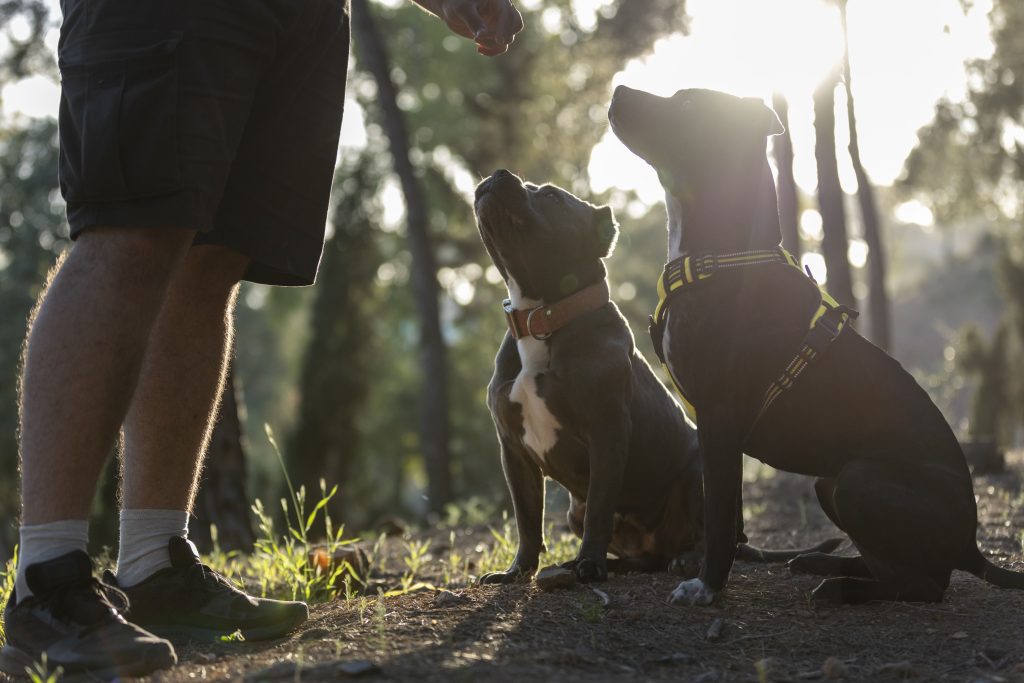
Quick Answer: Training Focused on Behavior Correction
Behavioral dog training is a specialized approach designed to modify a dog’s existing habits and emotional responses to their environment. Instead of teaching “tricks,” it focuses on reshaping how a dog perceives triggers. The goal is to replace undesirable behaviors—such as lunging at other dogs or destructive chewing—with calm, socially acceptable reactions.
Common Behavior Problems
Behavioral issues are often a dog’s way of communicating stress, boredom, or fear. Some of the most common challenges addressed in the U.S. include:
Barking
While some barking is natural, excessive or “nuisance” barking at every passerby or leaf that falls is usually a sign of territorial guarding or lack of mental stimulation. Behavioral training teaches the dog “quiet” cues and desensitization to outside noises.
Jumping
Often a sign of over-excitement, jumping on guests can be dangerous, especially for children or the elderly. Training focuses on “four on the floor” reinforcement and teaching alternative ways for the dog to greet people.
Separation Anxiety
A major issue for many American dogs, separation anxiety leads to destructive behavior, howling, and indoor accidents when owners leave. Behavioral training uses gradual desensitization to help the dog feel safe and relaxed while alone.
Aggression
Whether it is food guarding (resource guarding) or reactivity toward other dogs on a leash, aggression is a serious safety concern. Professional behavioral modification uses “counter-conditioning” to change the dog’s emotional state from defensive to neutral.
How Behavioral Training Works
Unlike traditional methods that may rely on correction, modern behavioral training in the U.S. focuses on Positive Reinforcement and Science-Based Methods:
- Observation & Assessment: Identifying the “trigger.” Is the dog barking because they are scared or because they are bored?
- Desensitization: Gradually exposing the dog to the trigger at a distance or intensity that doesn’t cause a reaction.
- Counter-Conditioning: Changing the dog’s association with the trigger. For example, if a dog is afraid of the vacuum, they receive high-value treats every time the vacuum is visible but turned off.
- Managing the Environment: Setting the dog up for success by removing stressors while the new behaviors are being learned.
When to Seek Professional Training
While basic manners can be taught at home, you should seek a professional behavioral consultant or a certified trainer if:
- Your dog’s behavior poses a safety risk to themselves or others (biting or snapping).
- The behavior is escalating despite your attempts to fix it.
- Your dog is showing signs of extreme distress, such as self-mutilation or constant shaking.
- You feel overwhelmed or fearful of your own pet’s reactions.
FAQ: Behavioral Training
Is my dog too old for behavioral training?
No. While it may take longer to undo years of habit, dogs are lifelong learners. Senior dogs can absolutely learn new emotional responses and behaviors with patience and consistency.
How long does behavioral training take?
There is no “quick fix.” Depending on the severity of the issue (especially with anxiety or aggression), it can take weeks or months to see permanent changes. Consistency from the entire household is the most important factor.
What is the difference between a trainer and a behaviorist?
A trainer usually focuses on skills and cues. A Certified Applied Animal Behaviorist (CAAB) or a veterinary behaviorist has advanced degrees in animal science and can address deep-seated psychological issues, sometimes including the use of medication in conjunction with training.
Need Help With Pet Care or Training Support?
At Golden Paw Pet Services, we believe that every dog deserves to feel confident and understood. While we provide premium pet sitting and grooming, we also prioritize the emotional well-being of every pet in our care. We work alongside pet parents to maintain the routines and behavioral standards that keep their homes harmonious.
- Consistent Reinforcement: We follow your specific training protocols during our visits.
- Safe & Structured Care: We ensure your dog’s triggers are managed while you are away.
- Compassionate Professionals: We treat every dog with the patience and respect they need to thrive.