
Training an older dog is not only possible but highly recommended for maintaining cognitive health and preventing age-related boredom. The key to success is a “low-impact” approach that prioritizes shorter sessions, high-value rewards, and physical modifications to accommodate the dog’s changing needs.
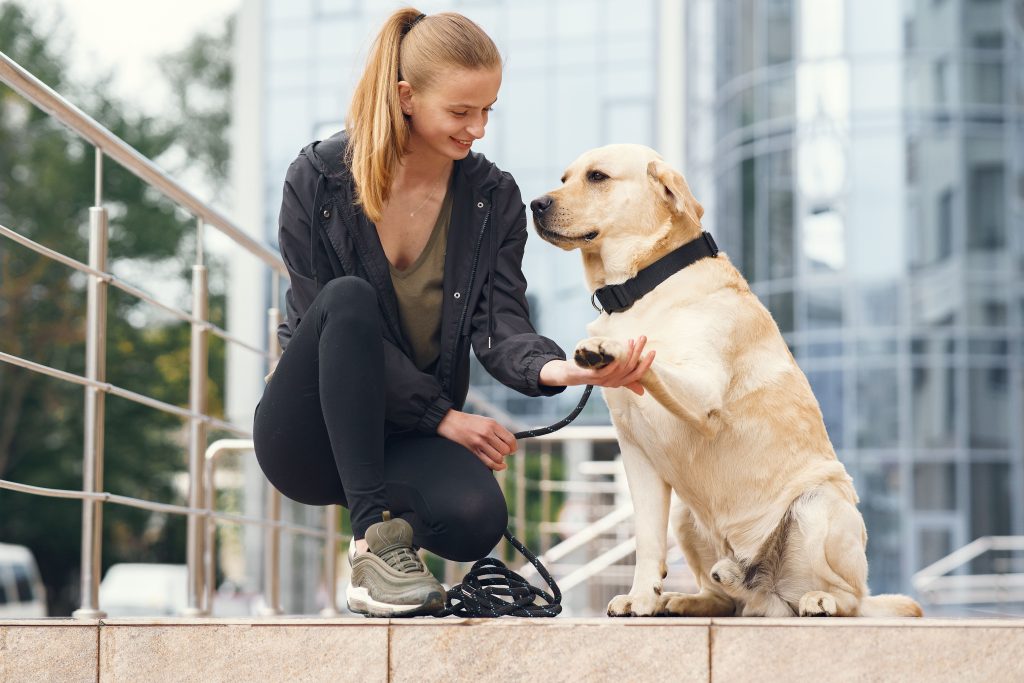
Quick Answer: Yes, Older Dogs Can Still Learn
Why senior dogs still benefit from training
In 2026, research into canine geriatrics shows that mental stimulation is just as important as physical exercise. Training provides “brain games” that can help delay the onset of Canine Cognitive Dysfunction (CCD), similar to dementia in humans. It strengthens the bond between you and your pet and keeps them engaged with their environment.
Why patience and shorter sessions matter
An older dog’s processing speed is naturally slower. While a puppy might learn a command in 5 minutes, a senior might need 15 minutes spread across three separate sessions. Short, 5-minute bursts of training prevent physical fatigue and keep the experience “Masterpiece” level—positive and stress-free.
Why Training Senior Dogs Is Different
Training a senior dog requires an expert eye to distinguish between “disobedience” and physical limitations.
- Sensory Changes: Hearing and vision often decline. If your dog isn’t responding to a verbal “Sit,” they might not be stubborn—they might simply not hear you. Switching to hand signals or scent-based cues is a pro-level adaptation.
- Joint Pain and Mobility: Asking an arthritic dog to “Sit” repeatedly can be painful. A specialist approach might involve rewarding a “Stand” or a “Touch” instead, focusing on tricks that don’t strain the hips or spine.
- Cognitive Processing: Older dogs often experience a “latency” period. After you give a cue, wait 5–10 seconds before repeating it. Their brains just need a moment longer to connect the dots.
Best Training Methods for Older Dogs
- Positive Reinforcement: Punishment-based training is never recommended, but it’s particularly harmful to seniors who may already be dealing with anxiety or confusion. Use “Gold Star” rewards like soft, smelly treats (chicken or cheese) that are easy to chew.
- Repetition and Consistency: Use the exact same hand gestures and vocal tones every time. Inconsistency is the leading cause of frustration in aging pets.
- Low-Stress Environment: Train in a quiet room with non-slip flooring. Rugs or yoga mats provide the “Masterpiece” traction an older dog needs to feel secure while performing movements.
What Older Dogs Can Still Learn
- Obedience Refresher: Reinforcing “Stay” or “Leave it” is vital for safety, especially if your dog’s reflexes are slowing down.
- New Cues: Seniors can easily learn “Find it” (scent work) or “Touch” (hand targeting), which are low-impact and highly rewarding.
- Confidence Building: Using snuffle mats or food puzzles counts as training! It builds problem-solving skills and provides a sense of accomplishment.
When to Talk to a Vet Before Training
Before starting a new training regimen, a “Masterpiece” pet owner should rule out medical issues:
- Sudden Grumpiness: If a normally sweet dog snaps during training, it’s often a sign of undiagnosed pain.
- Extreme Confusion: If your dog seems lost in familiar rooms, consult a vet about cognitive support.
- Stiffness: Ensure your dog’s exercise and training levels match their orthopedic health.
FAQ: Training Older Dogs
Can you really train an older dog?
Absolutely. While they may not have the stamina of a puppy, their focus is often better. They aren’t as easily distracted by every passing butterfly!
Are senior dogs harder to train?
They aren’t harder, just different. They require more patience and better-quality treats to keep their motivation high.
How long should senior dog training sessions be?
Aim for 3 to 5 minutes, 2 or 3 times a day. Ending on a successful note is more important than the duration of the session.
Need Professional Dog Training in Marlborough?
At Golden Paw Pet Services, we specialize in the unique needs of aging pets. We understand that your senior dog is a “Masterpiece” that deserves a gentle, expert touch. Our training programs are designed to accommodate physical limitations while maximizing mental engagement, ensuring your dog stays happy and sharp well into their sunset years.
- Senior-Specific Programs: Customized for mobility and sensory needs.
- Force-Free Methods: Building trust through positive reinforcement.
- Local Marlborough Expertise: We know the community and the best ways to support local pet parents.
Is your senior dog ready for some “brain games” and a behavior refresh? Contact Golden Paw Pet Services today to schedule a gentle, professional training consultation in Marlborough!