
Socialization is the single most important investment you will make in your dog’s future. Many owners mistakenly believe that socialization simply means letting their puppy play with every dog they see. In reality, socialization is about helping your puppy become confident, neutral, and relaxed when encountering the wide variety of sights, sounds, and experiences they will face throughout their life.
At Golden Paw Pet Services, we teach that the goal of socialization isn’t just “meeting friends”—it is about raising a dog that can handle the world without fear or aggression.
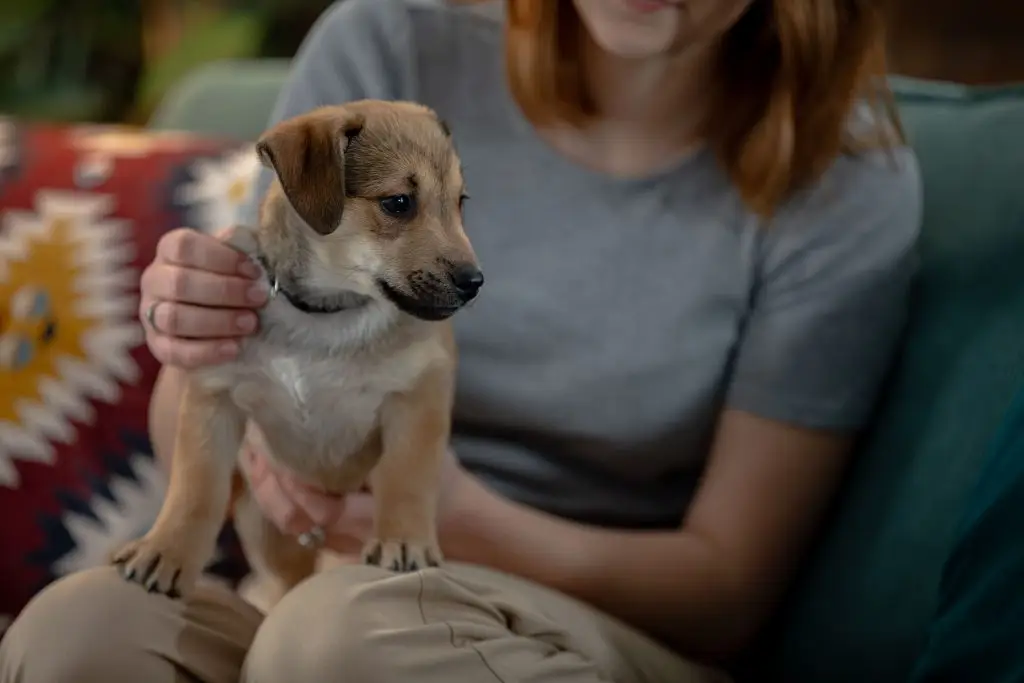
What Puppy Socialization Really Means
True socialization is a curated experience. It involves introducing your puppy to a wide range of stimuli so they learn that new things are normal, not threatening.
- The Big Categories: Focus on people (different ages, hats, beards), other dogs, various sounds (traffic, vacuums, thunderstorms), diverse surfaces (grass, gravel, tile), and regular handling (feet, ears, and teeth).
- Quality Over Quantity: Socialization is not “exposure overload.” If you drag your puppy to a crowded festival, you aren’t socializing them; you are likely overwhelming them. The goal is positive, calm experiences—not just high-volume activity.
Best Age to Start Socializing a Puppy
- The Prime Window: The critical period for socialization occurs between 3 and 14 weeks of age. During this time, your puppy’s brain is a sponge, quickly forming opinions about what is “safe” and what is “scary.”
- The Pre-Vaccine Dilemma: You don’t need to wait until the final shots to start. While you must avoid high-traffic areas (like dog parks) to prevent parvo or distemper, you can socialize your puppy at home by inviting vaccinated friends over, carrying them in a bag to see the neighborhood, or playing “sound effect” videos on YouTube.
Puppy Socialization Checklist
Follow these steps to create a confident companion:
- Meeting People Safely: Allow your puppy to approach people at their own pace. Have guests offer a treat rather than looming over the puppy.
- Introducing Vaccinated Dogs: Arrange playdates with adult dogs that you know are calm, healthy, and vaccinated.
- Car Rides & Handling: Practice getting in and out of the car, getting used to brushes, and—most importantly—touching their paws and looking at their teeth to prepare them for vet visits.
- Environmental Sounds: Introduce household noises like the vacuum, doorbell, and dryer at a low volume while rewarding your puppy with treats.
Common Puppy Socialization Mistakes
- Forcing Interactions: Never force your puppy to approach someone or something. If they want to retreat, let them. Protecting their boundaries builds trust.
- Waiting Too Long: “Waiting for all the shots” is a common myth that can result in a fear-based dog. Balance medical safety with the urgency of the socialization window.
- Skipping Controlled Play: Unsupervised play at a busy park can lead to bad habits or trauma. Stick to controlled environments with known, balanced dogs.
How Daycare and Training Support Socialization
Socialization continues well into adolescence. Professional puppy programs provide a “safety net” for learning. At Golden Paw Pet Services, our socialization methods focus on supervised play, where trainers monitor interactions to ensure your puppy learns healthy boundaries and builds positive associations with other dogs and people in a clean, controlled environment.
FAQ
What is the best age to socialize a puppy?
The most critical window is between 3 and 14 weeks, but socialization is an ongoing process that should continue throughout the first year of life.
Can I socialize my puppy before all shots?
Yes, but you must be careful. Avoid high-risk areas like public dog parks or areas frequented by unknown dogs. Stick to your backyard, private playdates, or “puppy classes” at professional facilities.
What happens if a puppy is not socialized?
Dogs that miss the socialization window are more likely to develop anxiety, fear-based reactivity, or aggression toward new things, people, or other animals later in life.
How do I socialize a scared puppy?
Go slow. Reduce the intensity of the stimulus and increase the value of the treats. Never push them into a situation where they are trembling or trying to flee.
Is puppy daycare good for socialization?
Yes, if the daycare is managed by professionals who prioritize controlled, supervised play rather than just “letting them loose.” It’s an excellent way to continue building confidence after the initial puppy months.
Is your puppy ready to become the most confident dog on the block? At Golden Paw Pet Services, we offer specialized puppy training and socialization daycare designed to give your dog the best possible head start. Let us help you raise a happy, well-adjusted companion!
Contact Golden Paw Pet Services today to book your puppy’s first daycare assessment!