
Bringing a new dog home is an exciting milestone, but the initial meeting between two dogs can determine the tone for their future relationship. While we often hope for an immediate “best friend” scenario, dogs are territorial creatures by nature, and they need a structured introduction to feel secure.
At Golden Paw Pet Services, we see hundreds of canine greetings every week. We’ve learned that the secret isn’t just “letting them work it out”—it’s about controlling the environment to ensure both dogs feel safe, confident, and calm from the very first sniff.
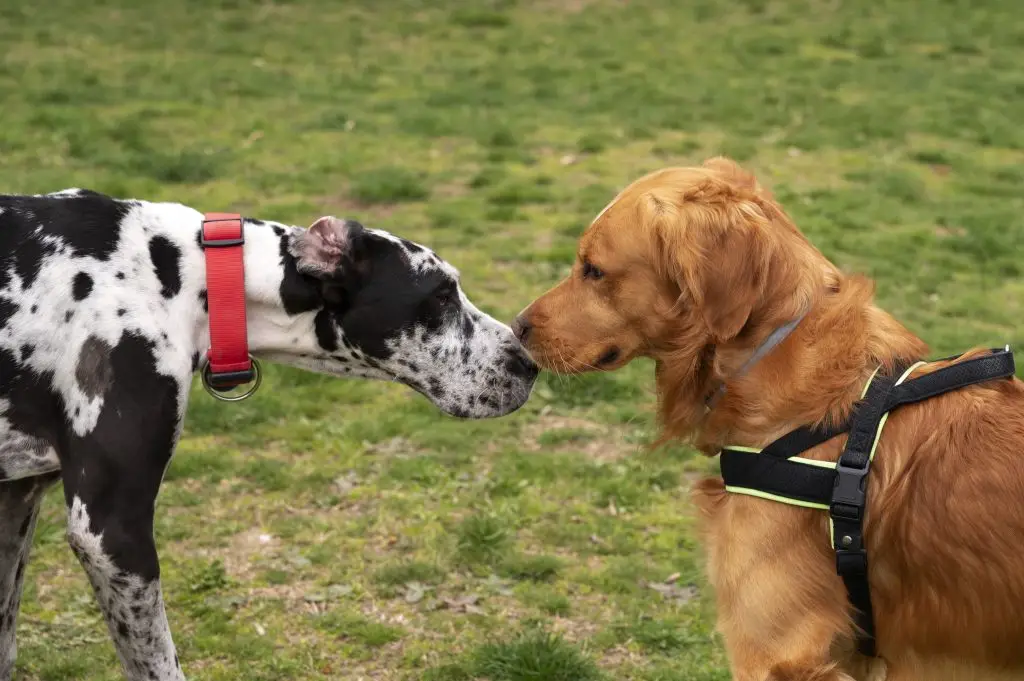
Why Dog Introductions Need a Plan
First impressions matter. If two dogs are thrust into a face-to-face meeting too quickly, their natural defensive instincts can trigger fear or aggression. A planned introduction minimizes stress, allowing the dogs to process each other’s presence at a safe distance before moving into closer proximity.
Best Place to Introduce Two Dogs
Never introduce dogs in your home or backyard. Your resident dog views your home as their “territory,” which can automatically put them on the defensive when a stranger enters.
- Neutral Territory: Choose a quiet park, an empty parking lot, or a wide-open field that neither dog associates with their home turf.
- Parallel Walking: This is the gold standard. Instead of walking toward each other, walk the dogs in the same direction, side-by-side, with a good distance between them. This mimics natural canine social behavior—walking together without direct pressure.
Step-by-Step Dog Introduction Process
- Start With Distance: Maintain enough space that both dogs can look at each other without reacting. If they are pulling, barking, or ignoring you, move further away.
- Watch Body Language: Monitor for soft, wiggly movements. If one dog freezes, stares intently, or hacks start to rise, increase the distance.
- Keep Leashes Loose: A tight leash transmits your tension directly to your dog. Keep the leash slack; if you need to redirect, do it with a soft, “C” shaped turn, not a yank.
- End on a Positive Note: Don’t push for long sessions. If they have had a successful, calm 10-minute walk, end it there and reward them both generously.
Dog Body Language to Watch
Learning to “read” your dog is a superpower for owners:
- The Good: Loose, wiggly bodies, “play bows,” taking turns sniffing each other, and soft, blinking eyes.
- The Warning: Stiff, upright posture, intense staring (hard eyes), hair standing up along the spine, or tails held very high and rigid.
- The Avoidance: If a dog is trying to hide behind you or look at the sky, they are likely over-threshold. Respect their need for space.
Introducing Dogs at Home
Once they have passed the “neutral territory” test, bringing them home requires management:
- Clear the Stage: Remove all high-value items, such as bones, favorite toys, and even food bowls, before the new dog walks through the door. Resource guarding is the #1 cause of sudden fights.
- Separate Spaces: Use baby gates to give the dogs their own “zones” initially. They don’t need to be in each other’s faces 24/7; they need to learn to coexist calmly while separate.
When to Get Professional Help
If either dog has a history of aggression, resource guarding, or if you feel overwhelmed, do not attempt this alone. A professional trainer can facilitate a “neutral ground” meeting and help you identify subtle red flags that are easy for an untrained eye to miss.
FAQ
How long does it take for two dogs to get along?
It can take anywhere from a few days to a few weeks for two dogs to establish a “new normal.” Patience is your best asset.
Should dogs meet on leash or off leash?
Always on leash. You need the ability to control and separate them if things go sideways. Off-leash meetings should only occur in secure, neutral areas after several successful, calm on-leash introductions.
What should I do if one dog growls?
Do not punish the growl! A growl is a communication—a warning that the dog is uncomfortable. Separate them calmly, give them space to reset, and re-evaluate your distance.
How do I introduce a puppy to an older dog?
Puppies often lack “social manners” and can annoy older dogs. You must act as the advocate for the older dog, ensuring they have plenty of “puppy-free” zones to rest.
Can daycare help dogs learn social skills?
Absolutely. At Golden Paw Pet Services, we provide a controlled, supervised environment where dogs can learn to read social cues from a variety of balanced companions. It’s a great way to “proof” your dog’s social skills in a professional setting.
Ready to help your dogs become the best of friends? At Golden Paw Pet Services, we are experts in canine body language and safe social introductions. Whether you need a guided introduction or are looking for a safe social outlet for your dogs, our team is here to help.
Contact Golden Paw Pet Services today to schedule a social assessment or training session!