
The transition from a high-energy pup to a distinguished senior is a beautiful stage of life, but it requires a change in your approach to activity. At Golden Paw Pet Services, we believe that “slowing down” doesn’t mean “stopping.” Senior dogs need regular, moderate exercise to maintain their muscle mass, keep their joints lubricated, and stimulate their minds. The goal is to move from high-intensity play to low-impact wellness.
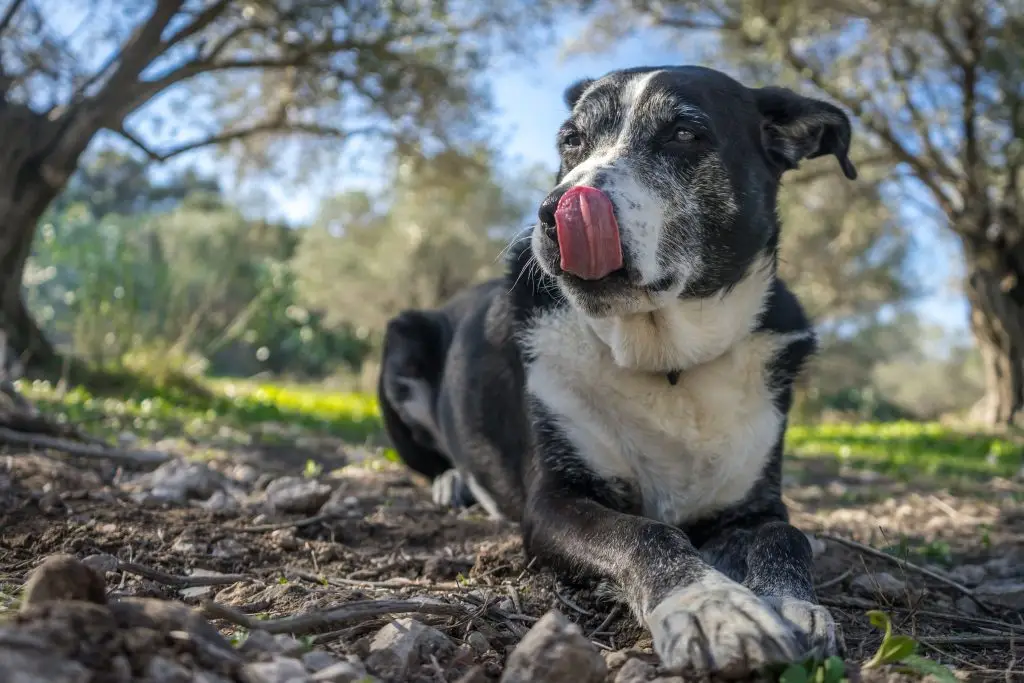
Quick Answer: Senior Dog Exercise Guidelines
For most senior dogs, short, frequent walks (10–20 minutes) and gentle mental enrichment are ideal. Instead of one long, taxing hike, spread activity throughout the day. Aim for a total of 30–60 minutes of low-impact movement daily, but always tailor this to your dog’s specific mobility, breed, and health history.
Why Exercise Still Matters
Even as your dog ages, their body needs to move. Regular, gentle activity:
- Maintains Mobility: Keeps joints from stiffening up (the “use it or lose it” principle).
- Manages Weight: Senior dogs are more prone to weight gain, which puts dangerous stress on aging joints.
- Mental Health: Sniffing and exploring reduce cognitive decline and keep your dog engaged with the world.
Factors Influencing Their Needs
Every senior is different. What a healthy senior Labrador needs is very different from what a fragile senior Chihuahua requires.
- Joint Health: Dogs with arthritis need shorter, flatter walks.
- Breed: Herding breeds may have more drive, but giant breeds may have more physical strain.
- Medical Conditions: Always consult your vet if your dog has heart, respiratory, or mobility issues.
Best Exercises for Senior Dogs
- “Sniff Walks”: Let your dog dictate the pace. Allowing them to sniff is a mentally exhausting and fulfilling exercise that requires very little physical strain.
- Swimming: This is the “gold standard” for senior exercise. It provides a full-body workout with zero impact on the joints.
- Low-Impact Play: Swap the high-flying frisbee for “gentle tug” or hide-and-seek with treats.
- Assisted Strolls: If your dog struggles with long distances, consider a pet stroller for the second half of the walk, allowing them to enjoy the sights and smells without the physical fatigue.
Signs Your Senior Dog Has Had Enough
Watch closely for these “stop signs”:
- Lagging behind: A clear sign they are physically tired.
- Heavy panting or distress: Especially if they have a heart or respiratory condition.
- Stiffness or limping: If your dog struggles to stand after a nap following a walk, you’ve likely overdone it.
- Avoidance: If your dog starts hiding or resists the leash when it’s time to go out.
Building a Safe Senior Routine
- Consistency is Key: A steady daily routine is better than one long weekend walk.
- Mind the Surface: Stick to soft grass or packed dirt paths rather than hot asphalt or slippery concrete.
- Warm-up: Just like human seniors, give them time to stretch and move slowly before starting an activity.
How Golden Paw Pet Services Can Help
Senior dogs often need more specialized attention than their younger counterparts. Our pet sitters and walkers are trained to recognize the subtle cues of aging. We specialize in “slow-paced” walks—tailored trips that focus on safety, sniffing, and enrichment rather than mileage. We prioritize your dog’s comfort and keep their daily movement consistent without the stress of an over-intense schedule.
FAQ
How long should a senior dog walk each day?
It varies, but 10–20 minutes per session, two or three times a day, is generally safer and more enjoyable than one long 60-minute walk.
Do older dogs need walks every day?
Yes. Daily movement is crucial to prevent joints from locking up, but the duration should be kept at a level that doesn’t cause pain or excessive fatigue.
Can too much exercise hurt an older dog?
Absolutely. Overexertion can lead to acute inflammation in arthritic joints, ligament strains, and significant cardiovascular stress.
What exercise is best for dogs with arthritis?
Swimming and underwater treadmill therapy are the best. If those aren’t available, short, slow walks on soft, even surfaces are the next best choice.
How do I know if my senior dog is tired?
Look for a change in their “enthusiasm.” If they are panting excessively, slowing down noticeably, or struggling to get up the next morning, reduce the intensity of your sessions.
Does your senior dog need a little extra care and attention during the day? We love our senior clients! Click here to reach out to Golden Paw Pet Services, and let us create a custom, gentle exercise plan for your aging best friend!