
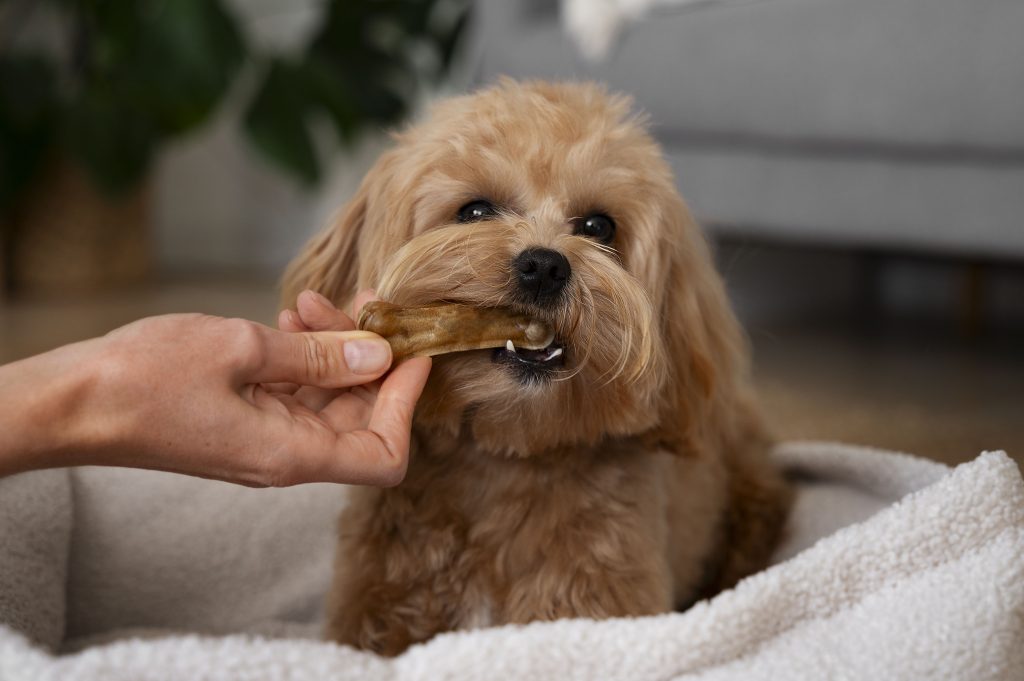
It is a classic image: a dog happily gnawing on a large bone. While the “dog with a bone” trope is deeply embedded in our culture, modern veterinary medicine suggests that not all bones are created equal. When it comes to rib bones—whether from your Sunday BBQ or a raw butcher block—the risks often outweigh the rewards.
Short Answer: Are Rib Bones Safe?
The short answer is no, rib bones are generally not considered safe for dogs, particularly if they have been cooked. While some proponents of raw feeding include certain types of raw bones in a dog’s diet, rib bones are notoriously problematic due to their shape, size, and tendency to splinter.
Cooked vs. Raw Rib Bones
The distinction between cooked and raw is the most critical factor in bone safety.
- Raw rib bones are softer and more flexible. They contain natural moisture and collagen, which allows them to be crushed more easily by a dog’s powerful jaws.
- Cooked rib bones are extremely dangerous. The cooking process (grilling, boiling, or roasting) removes the moisture and changes the molecular structure of the bone, making it brittle and hard.
Why Cooked Bones Are Dangerous
When a bone is cooked, it becomes “calcified.” Instead of being crushed into a digestible pulp, a cooked rib bone is likely to snap into sharp, glass-like shards. These splinters can cause catastrophic internal damage as they pass through the esophagus, stomach, and intestines.
Risks of Feeding Rib Bones to Dogs
Feeding your dog a rib bone is a gamble that can lead to expensive emergency surgery or life-threatening complications.
Choking Hazards
Rib bones are often the “perfect” size to get lodged in a dog’s throat. Because they are curved and slippery (especially if covered in fat or sauce), they can easily slide back and block the airway or become stuck in the esophagus, requiring endoscopic removal.
Intestinal Blockage
Even if a dog successfully swallows a piece of bone, it may not pass through the digestive tract. Bones are dense and difficult to break down with stomach acid. A fragment can become lodged in the narrow passages of the small intestine, creating a “foreign body obstruction.” This is a surgical emergency.
Splintering Risks
As mentioned, rib bones (especially pork and poultry) are prone to splintering. These shards can puncture the lining of the digestive tract, leading to peritonitis—a severe infection caused when stomach contents leak into the abdominal cavity.
Broken Teeth
Despite their name, rib bones are incredibly hard. Many dogs, especially “power chewers,” can fracture their upper carnassial teeth while trying to crack a rib bone. These “slab fractures” are painful and usually require a dental extraction.
What to Do If Your Dog Ate a Rib Bone
If your dog swiped a rib bone off the counter or a guest fed them one under the table, do not panic, but act quickly.
Signs of Emergency
Contact an emergency veterinarian immediately if your dog exhibits:
- Excessive drooling or gagging.
- Labored breathing.
- Repeated vomiting or retching.
- A bloated, hard, or painful abdomen.
- Lethargy and refusal to eat.
When to Call a Vet
If the dog seems fine initially, you should still call your vet for advice. They may suggest feeding the dog a “bulky” meal (like plain white bread or canned pumpkin) to help cushion any sharp edges as the bone passes. Never induce vomiting unless specifically instructed by a professional, as the bone can cause more damage coming back up.
Monitoring Symptoms
If your vet advises “watchful waiting,” monitor your dog’s stool for the next 48 to 72 hours. Look for bone fragments, but also watch for straining to defecate or bloody stools, which indicate internal injury.
Safer Alternatives to Rib Bones
You can satisfy your dog’s natural urge to chew without the risks associated with rib bones. Here are the top-recommended alternatives:
Vet-Approved Chew Toys
For dogs that love the texture of a hard chew, nylon or rubber toys are the gold standard. They provide the same mental stimulation without the risk of splintering.
- Recommendation: High-quality durable dog bones are designed to withstand aggressive chewing while cleaning teeth.
Dental Chews
If your goal is oral hygiene, specifically formulated dental treats are much more effective (and safer) than bones.
- Recommendation: Using specialized dental chews helps reduce plaque and tartar buildup through mechanical scraping and enzymatic action.
Raw Meaty Bones (With Supervision)
If you choose to feed raw bones, stick to “recreational” beef marrow bones that are too large to be swallowed, and always supervise the session. Remove the bone once the marrow is gone to prevent tooth damage.
FAQs
Can dogs eat beef ribs?
Beef ribs are very hard and dense. While less likely to splinter than pork, they are the leading cause of broken teeth and can still cause obstructions if large chunks are swallowed.
What about pork rib bones?
Pork ribs are even more dangerous. They are smaller and more brittle than beef bones, making them a high-risk splintering hazard.
Are raw rib bones safer?
Technically “safer” than cooked, but still not “safe.” Many veterinarians recommend avoiding rib bones entirely because of their shape and the risk of the dog swallowing the bone whole.
Pet Care & Safety Guidance in Massachusetts
In the state of Massachusetts, we take our pet health seriously. From the rugged Berkshires to the coastal communities, responsible pet ownership starts with education and prevention. If you are a pet owner in the Commonwealth, ensure you have the contact information for your local 24-hour emergency animal hospital saved in your phone.
Preventing a “bone emergency” is always easier and more affordable than treating one. By choosing vet-approved alternatives, you ensure your dog stays happy, healthy, and out of the operating room.
Looking for more personalized guidance on your dog’s diet or behavior? Contact our local experts today to ensure your Massachusetts pet receives the best care possible!