
Pet owners are increasingly moving away from traditional flat cushions in favor of “cave” or hooded dog beds. These unique structures offer more than just a place to sleep; they provide a psychological sanctuary for your pet. If you have ever found your dog burrowing under your bed sheets or hiding in a pile of laundry, a cave bed might be the solution they’ve been looking for.
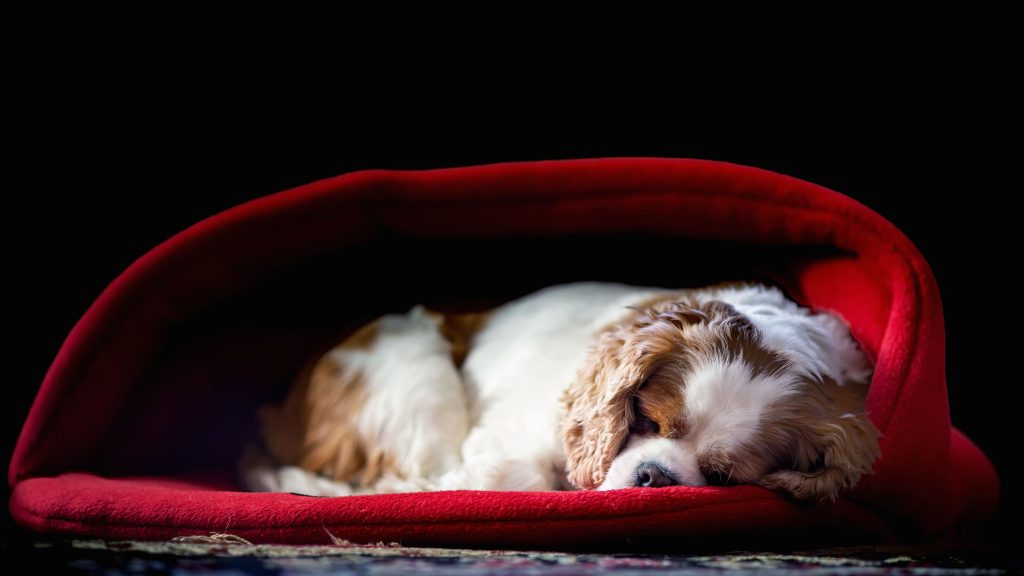
What Is a Dog Cave Bed?
A dog cave bed is a specialized type of pet furniture characterized by its semi-enclosed structure. Unlike a standard open bolster bed, it features an attached “hood” or “tent” top that creates a pocket for the dog to crawl into.
Hooded Design Explained
The design typically consists of a sturdy, orthopedic, or plush base with a soft, flexible cover attached to the perimeter. Some models use a hidden internal wire or plastic stay to keep the entrance propped open (often called a “hooded” bed), while others allow the fabric to drape naturally over the dog, mimicking a heavy blanket.
Why Dogs Love Enclosed Spaces
This preference is rooted in “denning” instincts inherited from their wild ancestors. In the wild, canines would seek out small, dark, enclosed spaces to protect themselves from predators and harsh weather. An enclosed bed triggers a sense of safety, telling the dog’s brain that their “six” is covered and they are secure from all sides.
Which Dogs Benefit Most from Cave Beds?
While any dog can enjoy a cave bed, certain types of dogs find them particularly transformative for their quality of rest.
Small Breeds
Breeds like Chihuahuas, Dachshunds, and Miniature Pinschers are notorious burrowers. Because they have higher surface-area-to-volume ratios, they lose body heat faster than larger dogs. The cave design traps their natural body heat, keeping them warm throughout the night.
Anxious Dogs
For dogs that suffer from “thunderstorm phobia,” separation anxiety, or general nervousness, a cave bed acts as a “safe zone.” The physical pressure of the fabric against their back and the reduction in visual stimuli can significantly lower cortisol levels and help them self-soothe.
Cold-Weather Breeds
In many regions across the United States, winter temperatures can make indoor drafts uncomfortable. Short-haired breeds or senior dogs with thinning coats often struggle to stay warm in open-air beds. A cave bed acts as a natural insulator, reducing the need for owners to leave the central heating on high all night.
Pros and Cons of Cave Dog Beds
Warmth and Security
The primary advantage is the “hug” sensation the bed provides. It offers a level of privacy that open beds cannot match, making it ideal for multi-pet households where a dog might want to escape the energy of other animals or children.
Cleaning Considerations
Because of the hooded design, these beds can be more challenging to clean than flat pads. Hair and dander tend to accumulate in the deep “crease” where the hood meets the base. It is essential to choose a model with a fully removable, machine-washable cover to prevent the buildup of bacteria and odors.
Size Selection Mistakes
A common mistake is buying a cave bed that is too large. For a cave bed to be effective, it should feel cozy. If there is too much empty space, the dog won’t feel the “walls” of the cave, and the bed won’t trap heat efficiently. Conversely, if it is too small, the dog will feel cramped rather than secure.
How to Choose the Right Size Cave Bed
To find the perfect fit, measure your dog from the tip of the nose to the base of the tail while they are in their natural sleeping position.
- For Curlers: Add 4–6 inches to the measurement.
- For Stretchers: Add 8–10 inches.
The height of the hood should be tall enough for the dog to turn around comfortably, but low enough that they feel the fabric touching their back when they lie down.
How to Clean a Dog Cave Bed
- Shake it Out: Before washing, take the bed outside and shake it vigorously to remove loose fur and crumbs.
- Vacuum the Interior: Use a crevice tool to get into the back corners of the cave where dirt hides.
- Wash on Delicate: Use a pet-safe, fragrance-free detergent. If the bed has a support wire in the hood, ensure it is removed before placing it in the machine.
- Dry Thoroughly: Tumble dry on low heat with a few clean tennis balls to “fluff” the padding and prevent the filling from clumping.
FAQs
Are cave beds good for large dogs?
Yes, though they are harder to find. Large breeds like Greyhounds or Vizslas often love cave beds because they are naturally lean and get cold easily. Ensure the base is made of high-density memory foam to support their weight.
Do cave beds reduce anxiety?
While not a “cure” for clinical anxiety, they are a highly effective environmental tool. By providing a “den,” you give the dog a place to retreat when they feel overwhelmed, which can prevent anxiety from escalating.
Can puppies use cave beds?
Puppies can use them, but be cautious with heavy drapes. Very young or small puppies should use “stay-open” hooded beds to ensure they can easily find the exit and don’t get tangled in the fabric.
Creating a Comfortable Boarding Experience in MA
When you are away from home, ensuring your pet feels that same sense of “cave-like” security is vital for their well-being. At our professional boarding facility, we understand the psychology of pet comfort. We encourage owners to bring familiar bedding or utilize our specialized pet care services to ensure a stress-free stay. By mimicking the home environment—complete with the security of a den-like space—we help your dog stay relaxed and happy until your return.
Is your dog ready for a premium getaway? Contact our team today to learn how we create a customized, secure, and comfortable boarding experience for every guest!