
Dogs are masters of non-verbal communication. While we love our verbal commands, your dog spends most of their day speaking to you through their eyes, ears, tail, and overall posture. At Golden Paw Pet Services, we believe that being “fluent” in dog body language is the most important skill an owner can develop. It’s the difference between a stressed dog and a confident, happy one.
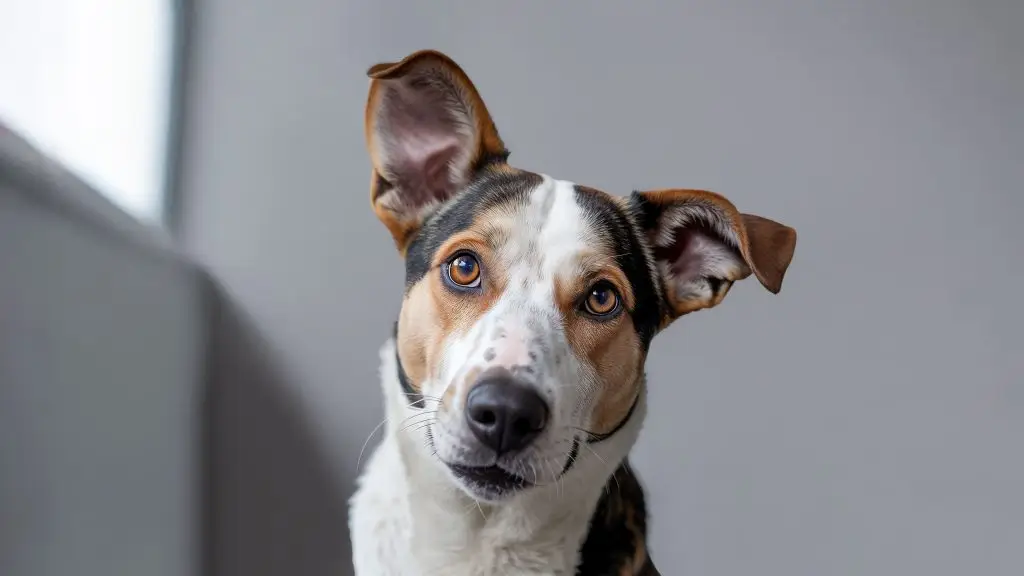
Quick Answer: How Do Dogs Communicate?
Dogs communicate through whole-body signals. They don’t just use their tails; they use “micro-movements”—like the tension in their forehead, the blink of an eye, or the angle of their tail—to express their intent. A happy dog is “soft” and loose, while an uncomfortable dog is “stiff” and tense.
Why Understanding Body Language Matters
When you understand what your dog is feeling, you can advocate for them. If you notice your dog is uncomfortable before they feel the need to growl or snap, you can remove them from the situation. It deepens your bond and transforms your training from “commanding” into a true, two-way conversation.
Tail Signals
- Loose, Full-Body Wag: This is the gold standard of happiness. If the whole rear end is swaying, your dog is likely happy and friendly.
- Stiff, High Wag: This can indicate high arousal or aggression. It is not necessarily a “friendly” wag; it’s a high-alert signal.
- Tucked Tail: A classic sign of fear or extreme submission. The dog is trying to “disappear” or hide their scent.
- Slow Wag: Often signifies hesitation or uncertainty. Think of it like a human saying “I’m not sure about this.”
Ear, Eye, and Mouth Signals
- Soft Eyes: A “squinty,” relaxed eye shape indicates a content dog.
- Whale Eye: You see the whites of their eyes (the sclera). This is a major warning sign of stress or anxiety.
- Pinned Ears: Pulled back tightly against the head. This usually indicates fear or extreme discomfort.
- Lip Licking: Often a “pacifying” signal. If there’s no food around, your dog is likely telling you they are uncomfortable with the current situation.
- Yawning: When a dog is not tired, yawning is a stress-relieving behavior used to “de-escalate” their own anxiety.
Body Posture Signals
- Play Bow: The front legs are down, and the rear is up. It’s the universal dog signal for “I want to play!”
- Stiff Body: If a dog freezes, they are likely feeling cornered or threatened.
- Cowering: Lowering the body to the ground shows a lack of confidence or fear of a perceived threat.
- Rolling Over: While sometimes for belly rubs, a dog rolling over in a high-stress situation is offering an “I am not a threat” signal to de-escalate a confrontation.
Stress vs. Friendly Behavior
- The Friendly Dog: Look for “curve.” Their body is curved, they move loosely, their mouth might be slightly open (a “doggy smile”), and they look away periodically.
- The Stressed Dog: Look for “tension.” Their movements are jerky, their mouth is shut tight, their brow is furrowed, and they may be staring fixedly at the source of their stress.
How This Helps at Golden Paw Pet Services
At Golden Paw Pet Services, we use body language to manage our playgroups. We don’t just watch for fighting; we watch for the precursors to conflict—the stiffening of a back, a subtle stare, or a dog trying to move away from a persistent playmate. By reading these signals, we can intervene early, ensuring a safe, fun, and stress-free environment for every guest.
FAQ
How can you tell if a dog is happy?
Look for “looseness.” A happy dog has a relaxed body, a soft expression, a wag that involves their hips, and an open, relaxed mouth.
What does whale eye mean in dogs?
It means the dog is stressed, anxious, or feeling pressured. It is a visual sign that they are not comfortable with what is happening around them.
How do dogs show stress?
Look for “displacement behaviors”—lip licking, yawning when not tired, shaking off as if wet, or suddenly sniffing the ground when no food is present.
What does a tucked tail mean?
It means the dog is fearful, insecure, or submissive. They are trying to reduce their presence and protect themselves.
Can dog body language prevent bites?
Absolutely. Most dog bites are preceded by ignored warnings. By spotting the “whale eye,” the stiffness, or the lip licking, you can step in and remove the dog from the situation long before a bite becomes necessary.
Want to learn more about how your dog communicates? At Golden Paw Pet Services, we are experts in canine body language and behavior. Click here to contact us today to learn more about our training programs and how to speak “dog”!