
Finding the right professional to help navigate your dog’s behavior is a significant step toward a harmonious household. For residents in the MetroWest area, the options for “dog training near me” are diverse, ranging from specialized behavioral clinics to community-driven puppy classes. Understanding how these services operate in the United States—and specifically within our local Massachusetts suburbs—will help you make the best investment for your pet.
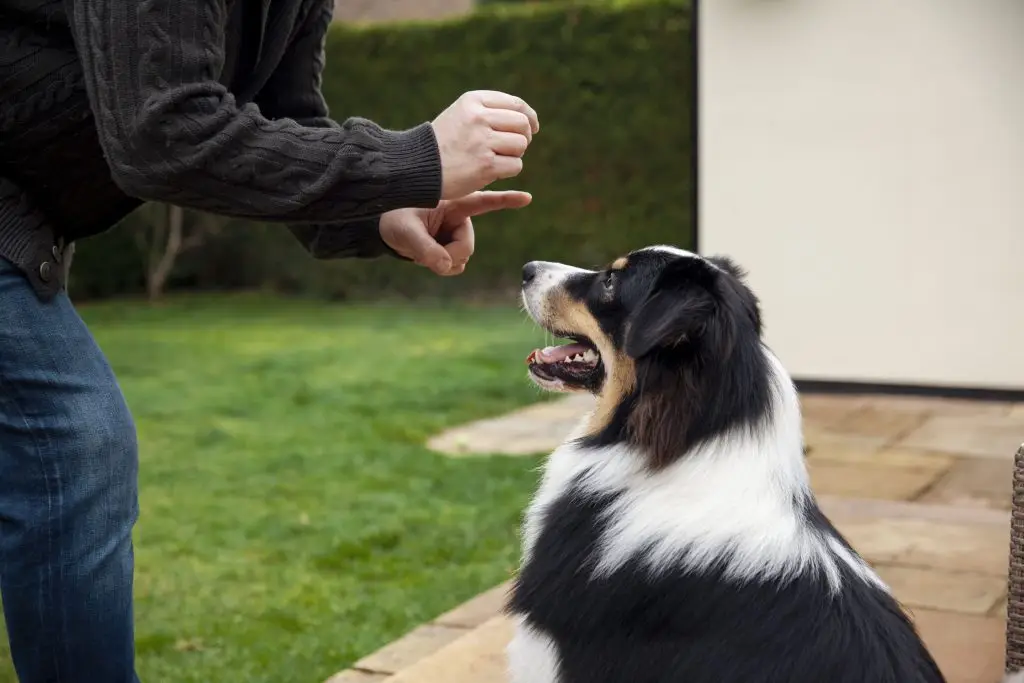
What Does “Dog Training Near Me” Usually Mean?
In the Marlborough area, professional dog training generally falls into three main categories. Each serves a different purpose depending on your dog’s age, temperament, and your specific goals.
Private Lessons
These are one-on-one sessions between you, your dog, and a professional trainer. These often take place at a dedicated training facility or a local park. They are highly customized to your dog’s specific “problem behaviors.”
Group Classes
Typically held in 4 to 6-week blocks, group classes involve 4 to 10 dogs working in the same space. These are excellent for basic manners and teaching your dog to focus while other dogs and people are nearby.
In-Home Training
The trainer comes directly to your residence. This is the gold standard for addressing “territorial” behaviors or issues that only happen at home, such as jumping on guests at the front door or counter-surfing in your specific kitchen layout.
Private Lessons vs. Group Classes
Choosing between these two formats depends largely on your dog’s current social skills and your own learning style.
Who Private Training is Best For
- Reactive Dogs: If your dog lunges or barks excessively at other dogs, a group setting will be too stressful and counterproductive.
- Complex Issues: Specific problems like separation anxiety or resource guarding require the undivided attention of a specialist.
- Busy Schedules: Private lessons offer more flexibility for working professionals who can’t commit to a set Tuesday night class for six weeks.
Who Group Classes are Best For
- Puppies: Socialization is critical before the 16-week mark. Group classes provide a controlled environment for this.
- Distraction Training: If your dog is a “star pupil” at home but “forgets” everything outside, the distraction of a group class is exactly what they need.
- Budget-Conscious Owners: Group settings are generally more affordable than one-on-one time.
Pro Tip: Many dogs benefit from a mix of both. You might start with 2–3 private sessions to master the basics, then move into a group class to “proof” those behaviors in a social environment.
How Much Does Dog Training Cost?
In the MetroWest Massachusetts region, prices reflect the high level of certification and insurance local trainers carry. While prices vary, you can generally expect the following ranges:
- Group Class Courses: $175 – $350 for a 5 to 7-week program.
- Single Private Lessons: $100 – $200 per hour.
- Day Training/Board & Train: These premium services can range from $800 to over $3,000 depending on the duration and intensity of the program.
What to Bring to Your First Session
Being prepared ensures you don’t waste valuable training time. Most U.S.-based professional trainers will require:
- A 6-foot Flat Leash: Avoid retractable (flexi) leashes, as they provide inconsistent tension and can be dangerous in a training environment.
- Proper Collar or Harness: Ensure your dog’s gear is fitted correctly and cannot be slipped.
- High-Value Rewards: Bring about two cups of tiny, soft treats (like Zuke’s Mini Naturals) or a favorite tug toy.
- A Training Plan: Have a top-3 list of goals you want to achieve (e.g., “stop jumping,” “better leash walking,” “faster recall”).
Common Training Goals We Help With
Professional training isn’t just about “sit” and “stay.” We focus on functional behaviors that make life easier.
- Leash Pulling: Moving from a “sled dog” mentality to a relaxed, loose-lead walk.
- Jumping: Teaching your dog a “four-on-the-floor” greeting policy for when friends visit.
- Recall (The “Come” Command): Building a reliable response so your dog returns to you every time, even at the park.
- Puppy Basics: Setting the foundation with potty training schedules, crate conditioning, and positive socialization routines to prevent future fear-based behaviors.
FAQs
How many sessions does it take to see results?
While you will see a change in your dog’s understanding in as little as one session, real-world reliability usually takes 4 to 8 weeks of consistent daily practice. Training is a muscle that needs regular exercise.
Is in-home training better than facility training?
In-home training is better for “context-specific” issues (like barking at the mailman). Facility training is better for “generalization” (teaching the dog to listen in new places) and often provides access to specialized equipment or neutral “helper dogs.”
Book Dog Training in Marlborough, Northborough, Hudson, Southborough, Sudbury & Berlin
Ready to transform your relationship with your dog? Whether you are dealing with a rambunctious new puppy or a stubborn adult dog, we provide professional coaching tailored to the unique needs of MetroWest families.
Click Here to View Our Current Class Schedule and Book Your Initial Consultation!