
We often view dog toys as permanent fixtures in our homes, but in reality, they are consumables with a lifespan. At Golden Paw Pet Services, we see hundreds of toys pass through our facility, and we know that a worn-out toy isn’t just a nuisance—it’s a potential safety hazard. Knowing when to retire a beloved ball or frayed rope is a critical part of being a responsible pet owner.
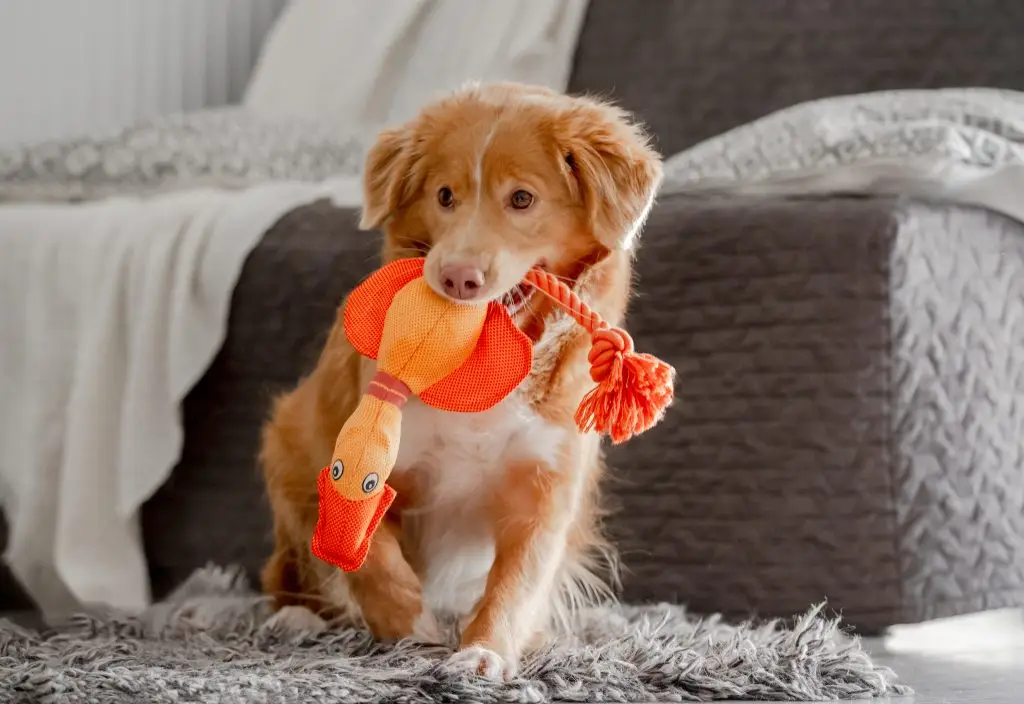
Quick Answer: When Should Dog Toys Be Replaced?
You should replace a dog toy the moment it shows signs of structural damage. There is no set “expiration date” because it depends entirely on your dog’s chewing intensity. If a toy is torn, missing pieces, or has frayed fibers, it should be removed from circulation immediately to prevent ingestion and choking.
Why Dog Toy Safety Matters
Dog toys are designed for fun, not digestion. When a toy degrades, it creates “foreign body” risks. If a dog swallows pieces of fabric, plastic, or squeakers, it can lead to dangerous intestinal blockages that often require emergency surgery. A proactive approach to replacing toys is the cheapest “insurance” you can buy for your dog’s health.
Signs a Toy Needs Retirement
- Torn Fabric: Once a seam pops, the interior stuffing is an open invitation for a dog to rip the toy apart in seconds.
- Exposed Stuffing: Stuffing is a major impaction risk for the digestive tract. If you see white fluff, the toy’s days are over.
- Loose Squeakers: Squeakers are prime choking hazards. If your dog has managed to puncture the toy and expose the mechanism, toss it.
- Sharp Edges: Hard plastic toys can develop sharp, jagged edges after hours of chewing, which can lacerate your dog’s mouth or gums.
- Heavy Odor or Dirt: If a toy is so grimy that it cannot be effectively sanitized, it is likely harboring bacteria and mold.
Replacement Guidelines by Toy Type
| Toy Type | Inspection/Replacement Rule |
| Plush Toys | Replace as soon as they become “soggy” or the seam begins to fray. |
| Rope Toys | Replace when the fibers unravel or become too loose; ingestion of long strings is dangerous. |
| Rubber Chews | Replace when the rubber cracks, loses its shape, or has chunks missing. |
| Puzzle Toys | Replace if the locking mechanisms no longer secure or if plastic becomes brittle. |
| Balls | Replace if the ball has lost its “bounce,” has bite marks, or the felt is peeling off. |
Pro-Tips for Toy Maintenance
- Toy Rotation: Don’t leave every toy out at once. Keep a “toy chest” and rotate them weekly. This keeps toys exciting and extends their life by preventing “boredom chewing.”
- Sanitization: Most rubber toys can be washed in the top rack of the dishwasher (no detergent or very mild, pet-safe soap). Plush toys can usually go in the washing machine on a hot cycle.
- The “Sizing” Rule: Always match the toy to your dog’s size. A toy that is too small for a large dog is a major choking risk.
FAQ
How often should dog toys be replaced?
There is no fixed schedule. Inspect toys after every heavy play session. If they are showing wear, they need to be replaced.
When should you throw away a dog toy?
Immediately upon finding any damage. If you have to ask yourself, “Is this still safe?”, the answer is almost always no.
Can dirty dog toys make dogs sick?
Yes. Saliva, food particles, and outdoor dirt create a breeding ground for bacteria and mold, which can lead to canine acne, oral infections, or stomach upset.
Are rope toys safe for dogs?
They can be, but they are “high risk.” They must be supervised play-only items. If your dog is a “shredder” who loves to eat string, rope toys are not the right choice.
How many toys should a dog have?
Quality over quantity. A few durable, diverse toys (one for tug, one for chewing, one for puzzle-solving) are far better than a pile of twenty cheap, unsafe toys.
Need help keeping your dog’s toy collection safe and exciting?
Our team at Golden Paw Pet Services is always happy to offer recommendations on the most durable, enrichment-focused toys for your pup’s unique play style! Click here to reach out to us and let us help you build a safer, more engaging toy collection for your best friend!