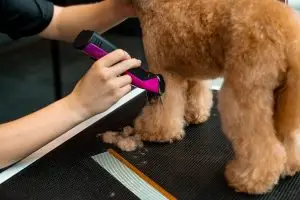
How to groom a dog with matted hair safely at home

Matted hair is more than just an unsightly nuisance; it’s a serious health concern for dogs. When left unattended, tangles can quickly escalate into tight, painful mats that pull on the skin, cause irritation, and create a breeding ground for bacteria and parasites. While it’s tempting to tackle matted fur at home, it’s crucial to understand the risks and proper techniques to ensure your dog’s safety and comfort.

Causes & risks of severe matting

Matting occurs when loose, shedding hair intertwines and traps itself within the coat, forming dense clumps. Several factors contribute to this:

How to groom a dog with matted hair safely at home

  • Lack of Regular Brushing: This is the primary cause. Without consistent brushing, especially in long-haired or dense-coated breeds, shed hair accumulates and tangles.
  • Coat Type: Dogs with long, curly, wavy, or double coats (e.g., Poodles, Bichon Frise, Golden Retrievers, Huskies, Shih Tzus, Doodles) are highly prone to matting.
  • Moisture: Wet fur, if not thoroughly dried and brushed, will mat rapidly. This includes after baths, swimming, or playing in the rain/snow.
  • Friction: Areas where fur rubs together (behind ears, under legs, armpits, groin, collar area, tail base) are common matting spots.
  • Seasonal Shedding: During “coat blowing” seasons (spring and fall), increased shedding can lead to quicker mat formation if not managed.
  • Health Issues: Skin conditions, allergies (leading to licking/scratching), obesity (making self-grooming difficult), or illnesses can exacerbate matting.
  • Dirt and Debris: Trapped dirt, burrs, and foreign objects can accelerate mat formation.

Risks of Severe Matting:

  • Pain and Discomfort: Mats pull tightly on the skin, causing constant discomfort and pain with every movement. This can make walking, lying down, or even sleeping painful.
  • Skin Irritation and Infections: Trapped moisture, dirt, and bacteria under mats create a perfect environment for skin irritations, hot spots, bacterial, fungal, or yeast infections.
  • Restricted Circulation: Very tight mats can constrict blood flow to certain areas, potentially leading to tissue damage, swelling, and even necrosis (tissue death) in severe cases.
  • Hiding Pests and Lumps: Mats provide excellent hiding places for fleas, ticks, and other parasites, making them difficult to detect. They can also conceal skin lumps, bumps, wounds, or underlying medical conditions, delaying diagnosis and treatment.
  • Overheating: A matted coat prevents air circulation, trapping heat close to the skin and making it difficult for the dog to regulate its body temperature, increasing the risk of heatstroke.
  • Movement Restriction: Severe matting around joints or limbs can restrict your dog’s ability to move freely, affecting their gait and potentially leading to muscle atrophy.
  • Injury During Removal: Attempting to cut out severe mats at home without proper tools or knowledge can easily result in accidental nicks, cuts, or tears to your dog’s skin, which is often paper-thin and pulled tight under mats.

Recommended detangling tools and sprays

Before you begin, gather the right tools. Investing in quality tools will make the process safer and more effective.

  • Slicker Brush: A brush with fine, bent wire pins. Essential for working through smaller tangles and general brushing.
  • Metal Comb: A sturdy, wide-toothed metal comb (half coarse, half fine) is crucial for identifying tangles and working them out. The comb should be able to glide through the coat after brushing.
  • Dematting Tool/Mat Splitter: These tools have blades or sharpened teeth designed to carefully slice or break through mats without pulling hair excessively. Examples include a mat rake or a mat comb with cutting edges. Use with extreme caution.
  • Blunt-Nosed Scissors: Only for carefully cutting mats away from the skin into smaller sections to make them more manageable, or for precise trimming in very delicate areas. Never use regular sharp-pointed scissors.
  • Pet-Safe Detangling Spray/Conditioner: These products lubricate the hair strands, making them slicker and easier to separate. Look for sprays specifically designed for dogs, often containing ingredients like argan oil, coconut oil, or silicones.
  • Clippers (Pet-Specific): For severe mats that cannot be brushed out, professional-grade pet clippers with a #10 or #7F blade (or even shorter, like a #40, for pelting) are necessary. Human clippers are NOT suitable.
  • Treats & Praise: Essential for positive reinforcement and keeping your dog calm.

Step-by-step grooming without cutting skin

Patience is paramount. This process can be slow and may need to be broken into multiple sessions.

  1. Assess the Matting & Calm Your Dog:
    • Find a calm, comfortable, well-lit area. Use a non-slip surface or a grooming table if you have one.
    • Gently assess the extent and severity of the mats. Identify areas that are loose tangles vs. tight, skin-bound mats.
    • Ensure your dog is calm and relaxed. Offer treats and praise before you even start.
  2. NEVER Bathe a Matted Dog First: Water will tighten mats like felt, making them impossible to remove and causing extreme discomfort. Mats must be removed before bathing.
  3. Isolate the Mat:
    • Work on one small mat at a time. Gently pull healthy fur away from the mat.
    • Crucially: Place your fingers between the mat and your dog’s skin. Hold the skin taut at the base of the mat. This prevents pulling on the skin and helps you feel how close you are to the skin, significantly reducing the risk of nicks.
  4. Apply Detangling Spray:
    • Generously spray the isolated mat with your pet-safe detangling spray. Ensure it penetrates the mat.
    • Allow the spray to sit for a few minutes to lubricate the hair.
  5. Gently Work the Mat:
    • Start at the outer edges of the mat, NOT the center. Use the very tips of your slicker brush or the wide teeth of your metal comb.
    • Use short, gentle strokes, almost picking at the mat, working from the ends of the hair towards the skin (always holding the skin taut below the mat).
    • Do not pull or yank. If the tool gets stuck, back out and try again from a different angle or with lighter pressure.
    • For tougher mats, use a mat splitter or blunt-nosed scissors to carefully cut into the mat, parallel to the body, to break it into smaller sections. Imagine slicing a cake – you’re creating channels to work through. Again, always ensure your fingers are between the blade and the skin.
  6. Comb Through:
    • Once you’ve loosened a section, use your metal comb to gently comb through the now-smaller tangles. The comb should pass through easily when the mat is gone.
  7. Take Breaks:
    • Dematting is tiring and can be stressful for your dog. Take frequent breaks. Offer treats, praise, and comfort. Keep sessions short if your dog shows signs of stress.
  8. Repeat & Check:
    • Move to the next mat, following the same process.
    • After you believe an area is mat-free, run your metal comb through it from root to tip. If the comb snags, there’s still a mat.
  9. After All Mats are Removed:
    • Once your dog is completely mat-free, you can proceed with a bath, thorough drying, and a full brush-out to ensure all dead hair is removed.

When professional grooming is required

Attempting to demat severe cases at home can be agonizing for your dog and risky for both of you. It’s always best to err on the side of caution and seek professional help.

  • Severe, Skin-Bound Mats (“Pelting”): If mats are tight against the skin, covering large areas of the body, or forming a solid “pelt,” do NOT attempt to remove them at home. This requires professional expertise, specialized clippers, and often a very short shave-down for the dog’s comfort and safety.
  • Dog is in Pain or Aggressive: If your dog vocalizes pain, attempts to bite, or becomes extremely stressed when you try to touch the mats, stop immediately. A professional groomer has the experience and often the temperament-based techniques to handle such situations safely.
  • Hidden Skin Issues: If you notice redness, swelling, open sores, or a foul odor under the mats, a vet visit should precede grooming. A professional groomer can then safely remove the hair to allow for treatment.
  • Lack of Time or Patience: Dematting can take hours. If you don’t have the time or patience, forcing it will only create a negative experience for your dog.
  • You Don’t Have the Right Tools: Attempting to cut mats with regular scissors is incredibly dangerous and highly likely to result in injury.
  • You’ve Tried and Failed: If you’ve given it a good, patient effort and still can’t get the mats out without causing distress, it’s time for professional intervention.

Professional groomers adhere to the “Humanity Before Vanity” principle. This means if dematting will cause your dog undue pain or prolonged stress, a safe, humane shave-down is the preferred option. The hair will grow back, but skin trauma can have lasting consequences.

Golden Paw’s matted hair management services

At Golden Paw Pet Services, we understand that mats can happen, and we approach their removal with the utmost care, compassion, and expertise. Our priority is your dog’s comfort and safety throughout the grooming process.

  • Professional Assessment: Our experienced groomers will thoroughly assess your dog’s coat condition, identifying the severity and location of all mats. We’ll discuss the best, most humane approach with you.
  • Gentle Dematting Techniques: For lighter matting, we employ specialized tools and dog-safe detangling products, working patiently and gently to brush out tangles without causing unnecessary pain. Our skilled hands are trained to work with the natural lie of the coat and minimize discomfort.
  • Humane Shave-Downs for Severe Matting: When mats are too severe, tight to the skin, or extensive, a full shave-down is often the kindest and safest option. Our groomers are equipped with professional-grade clippers and blades to carefully shave beneath the mats, avoiding skin irritation and nicks. We prioritize your dog’s relief from pain over maintaining coat length.
  • Skin Health Check: During and after mat removal, our groomers meticulously check your dog’s skin for any hidden irritations, hot spots, or concerns that may have been concealed by the mats. We can then advise you on any follow-up care or veterinary attention needed.
  • Post-Grooming Comfort: After mat removal, we provide soothing baths, conditioning treatments, and thorough drying to promote skin healing and prepare the coat for healthy regrowth.
  • Preventative Guidance: We’ll educate you on the best brushing techniques, recommended tools, and optimal grooming schedules for your dog’s specific coat type to help prevent future matting, empowering you to maintain their coat at home between professional visits.

Check it out: How to Cut Goldendoodle Hair?

Don’t let matting compromise your dog’s health and happiness. Trust the compassionate experts at Golden Paw Pet Services to provide the professional care they need.

Is your dog struggling with matted fur? Contact Golden Paw Pet Services today to schedule a grooming consultation and let us help your furry friend feel comfortable and happy again!