
Resource guarding is a fear-based behavior. To stop it, we must replace the dog’s fear of “losing” with the anticipation of “gaining.” In 2026, we utilize Desensitization and Counter-Conditioning (DSCC) to rewire the canine brain’s response to human proximity during high-value moments.
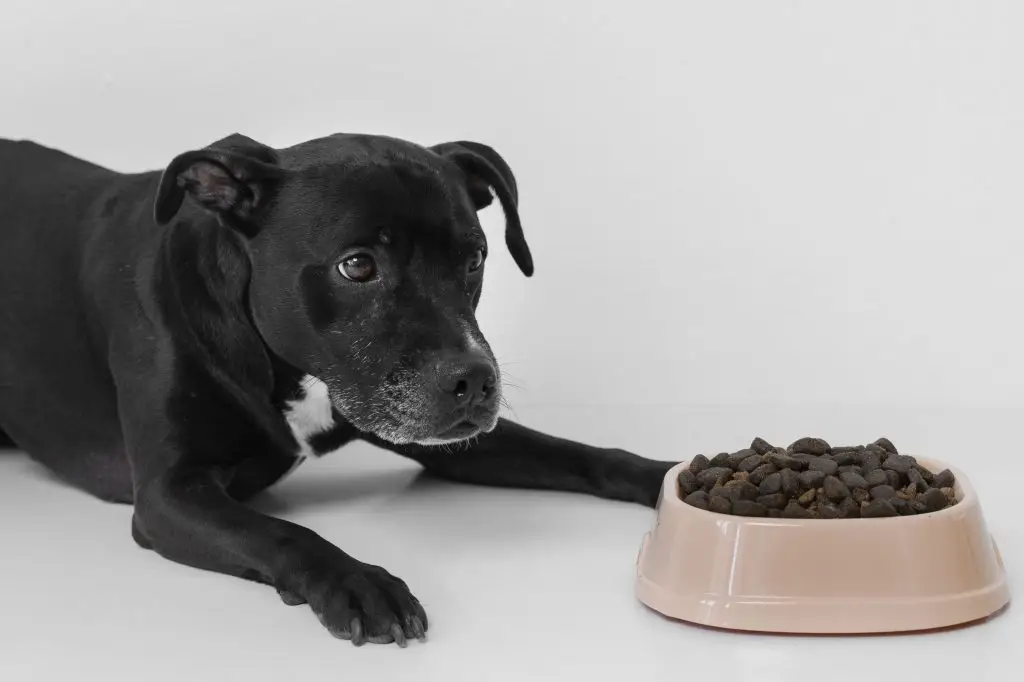
Quick Answer: Use Desensitization, Positive Reinforcement, and Avoid Punishment
The most effective way to stop guarding is to change the dog’s emotional association with your approach. Instead of being a “threat” that takes things away, you must become a “provider” who adds something better. This is achieved through gradual distance training, high-value rewards, and a strict “no-punishment” policy to ensure the dog never feels the need to escalate to a bite.
Step-by-Step Training Approach: The “Masterpiece” Method
Professional 2026 training protocols require a systematic, low-stress progression. Do not rush these steps.
Step 1 – Identify Triggers
Document exactly what your dog guards. Is it only high-value bones? Their food bowl? The couch? Knowing the “Gold Star” value of each item helps you manage the environment while you train.
Step 2 – Start at a Safe Distance
Find your dog’s “threshold”—the distance at which they notice you but do not yet freeze or growl.
Walk past the dog at this safe distance and toss a higher-value treat (like chicken or cheese) toward them, then keep walking. Your goal is for the dog to think, “When they walk by, steak falls from the sky!”
Step 3 – Reward Calm Behavior
Continue this “drive-by” tossing of treats until you see the dog’s body language soften. Look for a wagging tail or the dog looking up at you expectantly when you approach, rather than hovering over the item.
Step 4 – Gradually Reduce Distance
Once the dog is happy to see you from 5 feet away, move to 4 feet, then 3. Only progress when the dog shows zero signs of tension. Eventually, you will be able to walk up, drop a “Masterpiece” treat, and walk away without the dog ever feeling defensive.
What NOT to Do: Avoiding Escalation
In the 2026 digital era, “Alpha” training myths still circulate, but specialists know they are dangerous. Avoid these critical mistakes:
Taking Items by Force
If you rip a toy out of a guarding dog’s mouth, you prove that their fear was justified. This almost always causes the guarding to become more intense next time.
Punishing Growling
Growling is a gift. It is your dog’s way of saying, “I’m uncomfortable.” If you punish the growl, the dog will stop growling—but they will still be uncomfortable. Next time, they may go straight to a bite without warning.
Testing the Dog
Do not stick your hand in their food or “mess with them” while they eat to show them who is boss. This is the fastest way to create a bite history in an otherwise “Gold Star” pet.
How Long Does It Take to Fix?
In 2026, we view behavior modification as a journey, not a quick fix. Minor guarding in puppies can often be resolved in 2 to 4 weeks. However, deep-seated guarding in adult dogs—especially those with a history of trauma—may take 3 to 6 months of consistent “Masterpiece” training. The goal isn’t “speed,” but “permanent emotional change.”
When to Hire a Professional Trainer
If your dog has already snapped at or bitten a family member, or if the guarding extends to “spatial guarding” (the dog won’t let you into a room), it is time for a Gold Star professional intervention. At Golden Paw Pet, we provide specialist behavior consultations that prioritize safety and use the most advanced 2026 positive-reinforcement techniques.
FAQ: Training for Trust
Can resource guarding be cured?
It is better to say it is successfully managed and modified. While a dog may always have a genetic “seed” of possessiveness, specialist training can make them 99% reliable and relaxed in a domestic setting.
Should I punish my dog?
Never. Punishment increases cortisol and anxiety, which are the primary drivers of guarding. To stop the behavior, you must lower the dog’s stress, not increase it.
How long does training take?
Daily sessions of 5–10 minutes are more effective than one long session. Consistency over several weeks is the key to creating a lasting “Masterpiece” of good behavior.
Restore the Peace with Golden Paw Pet
At Golden Paw Pet, we specialize in the complex emotional lives of modern dogs. We understand the latest 2026 behavioral science and how to apply it to your unique home environment. Don’t let resource guarding break the bond with your best friend. Let our specialists guide you through a Gold Star training plan that builds trust, safety, and a lifetime of cooperation.
- Behavioral Modification Specialists: 2026-certified expertise.
- Safety-First Training: Protecting your family while helping your pet.
- Trust-Based Results: No fear, no pain, just “Masterpiece” behavior.
Is resource guarding making your home feel like a battlefield? Contact Golden Paw Pet today for a specialist training consultation and let’s start building a “Gold Star” bond based on trust!