
A reliable “come” command—often called a recall—is the single most important safety skill your dog can learn. Whether they have slipped out of their collar or spotted a squirrel near a busy road, a dog that returns immediately when called is a safe dog. In the U.S., professional trainers emphasize that a recall should always be a positive, high-reward experience for the dog.
Quick Answer: The “Golden Rule” of Recall
The secret to a perfect recall is making yourself the most exciting thing in your dog’s environment. Never call your dog to do something they dislike (like taking a bath or ending playtime) and always reward them with high-value treats or intense praise when they return. The “Come” command should always mean: “Something amazing is about to happen near my owner.”
Step-by-Step Recall Training: Building the Foundation
Training a recall takes time because it competes with every smell, bird, and sound in the world. Start in a low-distraction environment like your hallway or living room.
Step 1 – The “Name-Game”
Start by saying your dog’s name. When they look at you, say “Yes!” and give a treat. You want them to associate their name with immediate attention and a reward.
Step 2 – Introduce the Cue
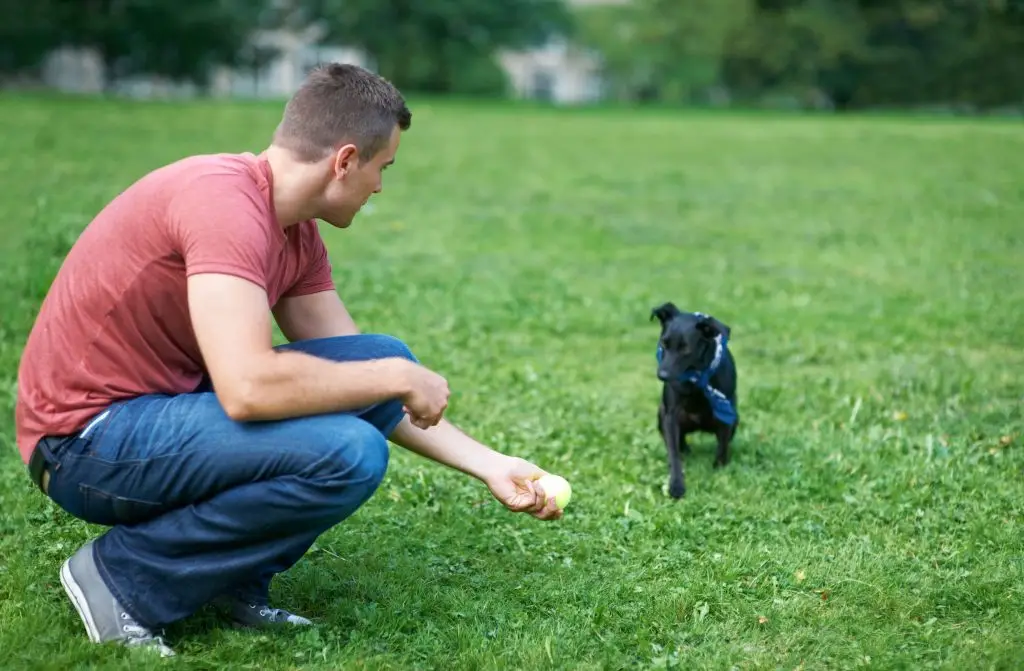
Back away from your dog a few steps. Open your arms wide, use an excited, high-pitched voice, and say “Come!” or “Here!” When they take even one step toward you, mark it with a “Yes!” and give a jackpot of treats (3–4 small pieces) once they reach you.
Step 3 – Use a Long Line (The Safety Net)
Once your dog is 100% successful indoors, move to the backyard or a quiet park using a 15-to-30-foot long training lead. This allows your dog to explore but ensures they cannot ignore you or run away. Practice the command while they are distracted by a smell, then gently guide them toward you if they don’t respond immediately.
Step 4 – Add Distractions Slowly
Gradually move to busier environments. Have a friend walk nearby or bounce a ball. If your dog fails to come, you are moving too fast. Go back to a quieter area and strengthen the bond.
Why Dogs Ignore Recall: The Common Culprits
If your dog isn’t coming when called, it’s usually for one of these three reasons:
- The “End of Fun” Association: If you only call your dog when it’s time to leave the park or go inside, “Come” becomes a negative cue. Tip: Call them, give a treat, and then release them back to play 90% of the time.
- The Poisoned Cue: If you have ever called your dog to scold them, you have “poisoned” the word. They now associate “Come” with being in trouble and will avoid you to stay safe.
- The Environment is More Rewarding: If a squirrel is more interesting than your piece of dry kibble, the dog will choose the squirrel. Use “high-value” treats (hot dogs, cheese, or boiled chicken) exclusively for recall.
Training Tips That Work
- Never Chase Your Dog: If your dog runs away, run in the opposite direction. Their natural instinct is to chase you. When they catch up, reward them heavily.
- The “Restraint” Recall: Have a friend hold your dog while you run 20 feet away, acting incredibly excited. When your friend lets go and you yell “Come!”, the built-up energy will make the dog sprint to you.
- Always Be a “Party”: When your dog reaches you, make a big deal out of it. Petting, happy talk, and treats should last for at least 15 seconds.
FAQ: Improving Your Dog’s Recall
What if my dog doesn’t come when called at the park?
Do not keep repeating the command. If you say it 10 times and they ignore it, you are teaching them that “Come” is optional. Instead, walk over to them, put them on the leash without anger, and try training in a less distracting area next time.
How long does it take to master a recall?
For most dogs, a basic recall takes a few weeks, but a “distraction-proof” recall can take 6 to 12 months of consistent practice. It is a lifelong skill that needs regular “maintenance” sessions.
Can I use a whistle for recall?
Yes. Whistles are excellent because they have a neutral, consistent sound that carries much farther than the human voice and doesn’t change tone based on your emotions (like frustration).
Need Help With Pet Care or Training Reinforcement?
At Golden Paw Pet Services, we know that a reliable recall is the key to freedom and safety for your dog. Our professional walkers and sitters are dedicated to reinforcing the positive habits you’ve built. We treat every walk as a chance to practice focus and engagement, ensuring your pet is always safe and responsive.
- Expert Reinforcement: We use your specific recall cues and reward systems.
- Safe Exploration: We use long lines and secure gear to practice safely in public spaces.
- Engagement-Focused Walks: We don’t just walk your dog; we interact with them to keep their focus on the handler.