
Many dog owners worry that they will become “treat dispensers”—only able to get their dog to listen if there is a piece of kibble or a biscuit involved. While food is a powerful motivator, it is far from the only way to communicate with your canine companion. Learning how to train a dog without treats not only makes you more versatile but also deepens the bond and respect between you and your pet.
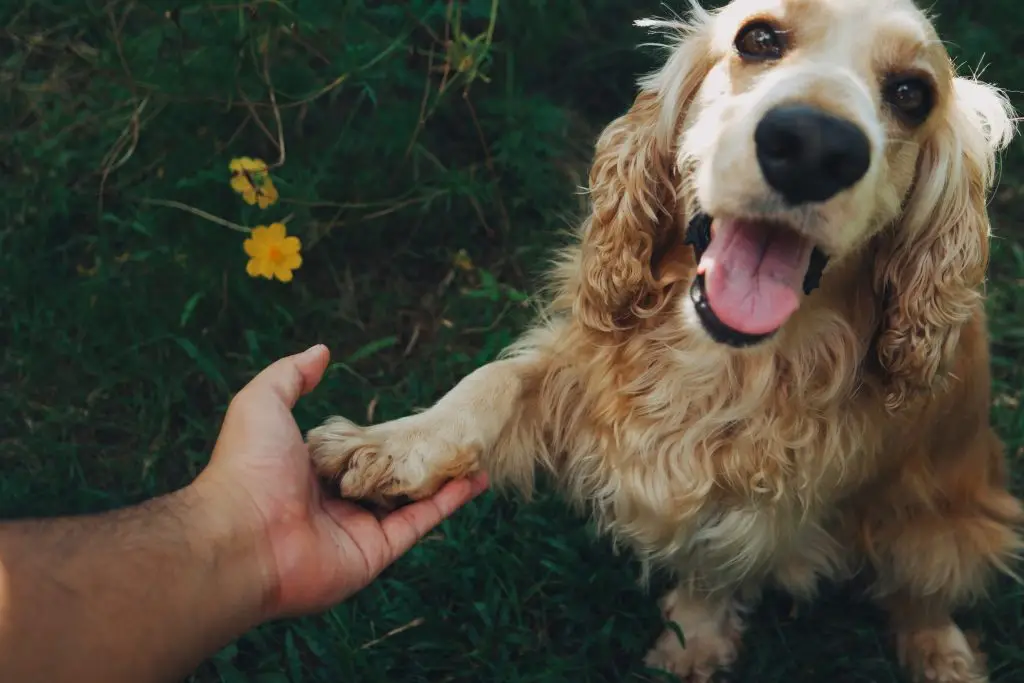
Can You Train a Dog Without Treats? Yes—If You Use the Right Rewards
The short answer is absolutely. In professional training circles across the United States, we often use various forms of “functional rewards.” The goal isn’t to stop rewarding your dog; it’s to broaden your definition of what a reward is.
The Core Principle: Reward What You Want Repeated
In behavioral science, reinforcement is anything that increases the likelihood of a behavior happening again. If your dog sits and you immediately open the back door to let them chase a squirrel, you have reinforced the sit. The “reward” was the access to the yard. To train without treats, you must identify what your dog values most at any given moment and use that as your leverage.
Best Treat-Free Rewards
When food is off the table, you have to tap into your dog’s other primary drives: social connection, play, and environmental exploration.
Praise + Timing
Physical affection and verbal praise are highly reinforcing for “velcro dogs” (like Golden Retrievers or Labs). However, the timing is more important than the intensity. You must deliver the “Good boy!” or the chest scratch within 1.5 seconds of the desired behavior. In the U.S. training scene, a high-pitched, happy tone is generally more effective at marking success than a monotone “good.”
Play (Tug, Ball) as Reinforcement
For high-drive breeds like German Shepherds or Border Collies, a quick 10-second game of tug or a ball toss is often more valuable than a steak. This is known as “toy drive.” If your dog brings you a ball, ask for a “Settle” or “Down” first. The reward for the command is the throw.
“Life Rewards” (Sniffing, Greeting, Going Outside)
This is the most underutilized tool in dog training. Life rewards are things your dog wants to do anyway.
- Sniffing: Use a “Go Sniff” command as a reward for a period of focused heel walking.
- Greeting: If your dog wants to meet a friend, they must sit first. The reward for the sit is the permission to “Go say hi.”
- Outside: Use the door as a gatekeeper. A calm “Wait” at the door is rewarded by the door opening.
How to Replace Treats in Real Life (Step-by-Step)
Transitioning away from food requires a structured approach to ensure your dog doesn’t become frustrated or lose interest.
1. Start Low Distraction → Increase Distraction
Begin practicing treat-free commands in a boring environment, like your hallway. Once your dog is responding 90% of the time to praise or play inside, move to the backyard, then a quiet park, and finally a busy street. If you skip steps, the dog will likely ignore your praise in favor of the environment.
2. Use a Marker Word/Clicker for Precision
Precision is the biggest challenge when not using food. Use a specific marker word like “YES!” to tell the dog exactly when they did the right thing. This bridges the gap between the action and the reward (like the ball throw or the ear scratch).
Common Mistakes When Training Without Treats
Reward is Too Slow / Not Valuable Enough
If your dog just successfully ignored a barking dog and you responded with a half-hearted pat on the head three minutes later, the “reward” was meaningless. You must be enthusiastic and immediate. If the distraction was high, the reward must be equally high-value (like a vigorous game of tug).
Asking Too Much Too Fast
Owners often try to phase out treats before the behavior is “fluently” learned. If your dog doesn’t fundamentally understand the command “Stay,” removing the food incentive will cause the behavior to crumble. Only phase out treats once the dog is performing the task reliably on the first cue.
FAQs
What if my dog ignores praise?
Not every dog is socially motivated. If your dog is independent (like a Shiba Inu or a Husky), they may view a head pat as a nuisance rather than a reward. In these cases, focus on “Life Rewards” or environmental access. The reward for the “Sit” is being allowed to go sniff that interesting bush.
Is it bad to use treats at all?
Not at all. Treats are an excellent tool for teaching new behaviors because they allow for many repetitions in a short amount of time. The goal of treat-free training isn’t necessarily to never use food again, but to ensure your dog listens to you because they respect the relationship and understand the boundaries—regardless of what’s in your pockets.
Ready to build a better bond with your dog? Our expert trainers specialize in balanced, relationship-based methods that go beyond the cookie. Contact us today to schedule your consultation!
Book Your First Training Session Here