
Hydration is a cornerstone of canine health, especially for active dogs who spend their days hiking, playing at the park, or going for long runs. However, there is a common debate among pet owners and trainers regarding the safety of water consumption immediately following intense activity. Understanding the “how” and “when” of hydration can be just as important as the water itself.
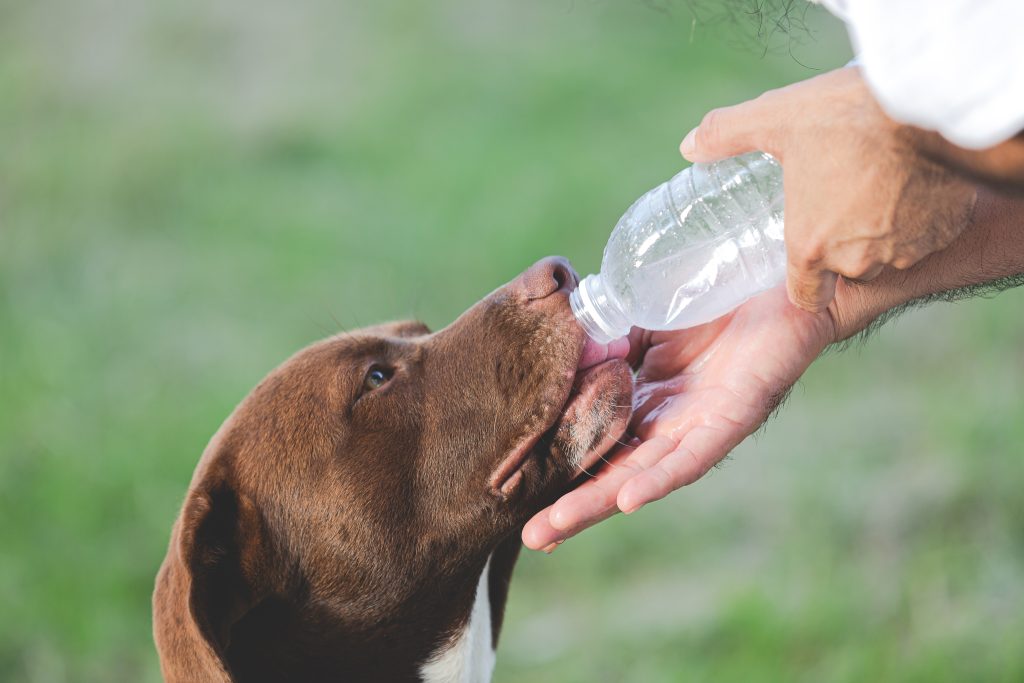
Quick Answer: Water Is Essential—But Avoid Gulping Too Fast
The short answer is: No, it is not bad for dogs to drink water after exercise. In fact, replacing lost fluids is vital to prevent heatstroke and dehydration. However, the method of drinking is where the risk lies. You must prevent your dog from “chugging” or gulping massive amounts of water in a single sitting while they are still heavily panting.
Why “chugging” can cause discomfort
When a dog drinks too fast, they don’t just swallow water—they swallow a significant amount of air. In the United States, veterinary professionals refer to this as aerophagia. This sudden influx of water and air can lead to:
- Gastric Distress: A heavy, water-filled stomach can lead to vomiting or nausea.
- Bloat Risk (GDV): While the link between water and bloat is debated, many experts believe that a stomach heavy with water and swallowed air can contribute to Gastric Dilatation-Volvulus, a life-threatening emergency where the stomach twists.
- Water Intoxication: Though rare, if a dog consumes an excessive amount of water too quickly (often while playing in sprinklers or pools), it can lead to hyponatremia, which affects electrolyte balance and brain function.
How to Offer Water Safely After Activity
The goal is to rehydrate your dog gradually rather than all at once.
Cool-down first
Before allowing your dog to have a large drink, focus on cooling their external temperature. If your dog is in a state of high arousal and heavy panting, walk them slowly in the shade or a climate-controlled room. Once their breathing begins to slow and they aren’t “gasping” for air, it is much safer for them to drink.
Small amounts, short breaks, repeat
Instead of leaving a giant bowl of water out, use a “portioned hydration” approach:
- Offer about half a cup to a cup of water (depending on the dog’s size).
- Take the bowl away and wait 3 to 5 minutes.
- Observe their breathing. If they stay calm, offer another small amount.
- Repeat until they no longer seem frantically thirsty.
Signs of Dehydration (and Overdoing It)
As a pet owner in the U.S., it’s important to recognize that dehydration can set in quickly, especially in warmer climates.
Mild dehydration signs
- Dry Gums: Feel your dog’s gums; they should be slippery and wet. If they feel tacky or dry, your dog needs fluids.
- Loss of Skin Elasticity: Gently pinch the skin between the shoulder blades. It should snap back instantly. If it stays in a “tent” or moves back slowly, your dog is dehydrated.
- Lethargy: A dog that is unusually slow or seems “out of it” after a walk may be lacking fluids.
When symptoms are urgent
Seek immediate veterinary care if you notice:
- Sunken eyes.
- Bright red or extremely pale gums.
- Collapse or inability to stand.
- Vomiting or bloody diarrhea.
- Extreme panting that does not subside after 20 minutes of rest.
Hydration Tips for Active Dogs
Managing hydration should be a proactive task, not a reactive one.
Summer heat and long walks
In the United States, heat index values can make a standard walk dangerous. Always plan your exercise for the early morning or late evening. If the pavement is too hot for the back of your hand, it’s too hot for your dog’s paws—and their core temperature will rise much faster, increasing their need for water.
Travel days, daycare, and training sessions
Dogs often forget to drink when they are stimulated. During daycare or training, offer “water breaks” every 15–20 minutes, even if the dog doesn’t ask for it. For travel days, keep a spill-proof bowl in the vehicle to ensure they have access to small sips throughout the journey.
FAQs
How much water should my dog drink after exercise?
There is no “one size fits all” amount, but a good rule of thumb is to allow them enough to wet their whistle—roughly one ounce of water per pound of body weight per day is their baseline. After exercise, offer small portions (4–8 ounces at a time for medium/large dogs) until they are settled.
Can dogs drink cold water after running?
Yes. There is a common myth that ice water causes bloat, but most veterinarians agree that cold water is fine and can actually help lower a dog’s core temperature more effectively. However, avoid giving large ice cubes that could be a choking hazard or damage teeth.
Should I bring water on every walk?
Absolutely. Even on a 20-minute walk in moderate weather, having a portable water bottle is a safety necessity. It allows you to provide small “micro-hydrations” along the way, which prevents the dog from becoming so thirsty that they gorge themselves once they get home.
Professional Care for Your Active Companion
Keeping your dog hydrated and safe during exercise is a science. At Golden Paw Pet Services, we understand the physiological needs of your furry friends. Our professional walkers are trained in “Safe Hydration Protocols”—we never let a dog chug water after a session, and we always monitor for signs of heat stress and dehydration.
Whether your dog needs a high-energy run or a gentle afternoon stroll, we ensure they stay cool, hydrated, and happy using the best practices recommended by experts.
Ready to give your dog the professional care they deserve? Let Golden Paw Pet Services handle the exercise and hydration while you’re away. Contact us today to schedule your first walk!