
The first year of your puppy’s life is a whirlwind of development. From the moment they arrive at your home, they are learning—whether you are intentionally training them or not. Because of this, structure is your best friend. A clear training timeline helps you prioritize the right skills at the right developmental stage, setting your pup up for a lifetime of success.
At Golden Paw Pet Services, we believe that training is about building a language of mutual understanding. Here is your roadmap to raising a well-adjusted dog.
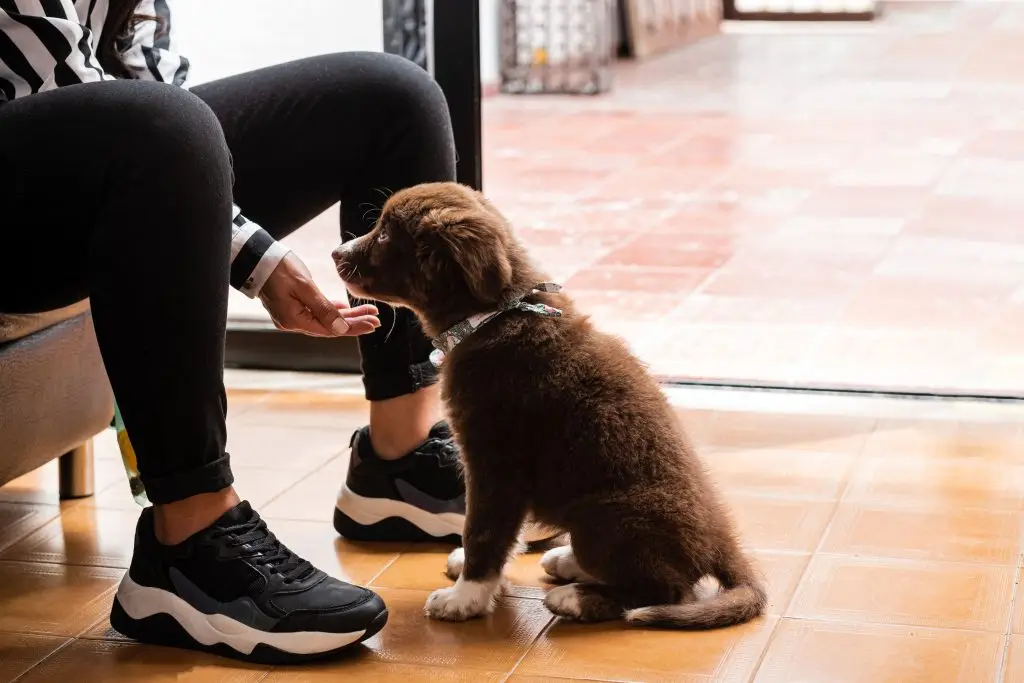
Why Puppy Training Should Start Early
Puppies are like sponges, and their brains are biologically programmed to learn social rules, language, and environmental boundaries between 8 and 16 weeks. Starting early builds:
- Trust: A consistent leader makes a puppy feel safe.
- Routine: Predictable schedules reduce stress and anxiety.
- Confidence: Early exposure to new things (under your guidance) prevents fear-based behaviors later on.
8 to 10 Weeks: First Skills to Teach
Keep your expectations realistic! At this age, your puppy has the attention span of a toddler. Focus on:
- Name Recognition: Reward them every time they look at you when you say their name.
- Crate Comfort: Make the crate a “happy place” with soft blankets and high-value rewards, never a place of punishment.
- Potty Routine: Consistency is king. Take them out after every nap, play session, and meal, and reward them the second they finish “business” outside.
10 to 16 Weeks: Socialization and Basic Commands
This is the “golden window” for learning.
- Basic Commands: Begin teaching “Sit,” “Down,” and “Come.” Keep sessions short—5 minutes, several times a day.
- Handling: Gently touch their ears, paws, and mouth while feeding treats. This makes grooming and future vet visits much easier.
- Leash Introduction: Let them get used to the feel of a collar and a light leash inside the house before taking them on real walks.
4 to 6 Months: Better Manners and Focus
As your puppy grows, they start to test boundaries.
- Loose Leash Walking: Start practicing in low-distraction areas. Reward them for staying by your side rather than pulling.
- Bite Inhibition: Puppies explore with their mouths. Redirect nipping toward an appropriate toy immediately.
- Calm Greetings: Teach your puppy that four paws must be on the floor before they get attention or pets from you or guests.
6 to 12 Months: Adolescence and Consistency
Welcome to the “teenage” phase! Your puppy may suddenly seem to “forget” everything they learned. This is normal—their brain is undergoing a major growth spurt.
- Proofing Commands: Now is the time to practice your cues in public (like parks or stores) where there are high distractions.
- Stay the Course: If they don’t listen, go back to basics, lower the distraction level, and re-reward heavily. Consistency now leads to a polite adult dog.
When to Start Professional Puppy Training
Start looking for a program as soon as your puppy is medically cleared by your vet for socialization. Professional training provides an environment where your puppy learns to listen to you even when other dogs are around—a skill that is very difficult to teach at home alone.
FAQ
What is the first thing you should train a puppy?
Name recognition. Once your puppy understands that their name means “pay attention to the human,” every other command becomes easier.
What age is best for puppy training classes?
Ideally, between 10 and 16 weeks. This hits that critical socialization window while ensuring your puppy has had the necessary initial rounds of vaccinations.
How long does it take to potty train a puppy?
It varies by dog, but with strict consistency (frequent trips, rewards, and constant supervision), most puppies show significant progress within 2 to 4 weeks.
What commands should a puppy know?
Prioritize “Sit,” “Stay,” “Come,” “Leave It” (this one can save their life!), and “Drop It.”
Is it ever too late to train a puppy?
Not at all. While the puppy months are prime time for learning, dogs are lifelong learners. It is never too late to teach a dog new skills or modify unwanted behaviors.
Is your puppy ready to start their learning journey? At Golden Paw Pet Services, we offer specialized puppy training that builds confidence, manners, and a strong bond between you and your new family member. Let us help you navigate these formative months!
Contact Golden Paw Pet Services today to sign up for our professional puppy training program!