
Quick Answer: Adult Age by Dog Size
There is no single age when every dog becomes an adult. Adulthood is primarily determined by breed size. While tiny toy breeds reach full physical and emotional maturity by 10 to 12 months of age, massive giant breeds continue growing and developing well into their second year, sometimes reaching full maturity around 18 to 24 months.
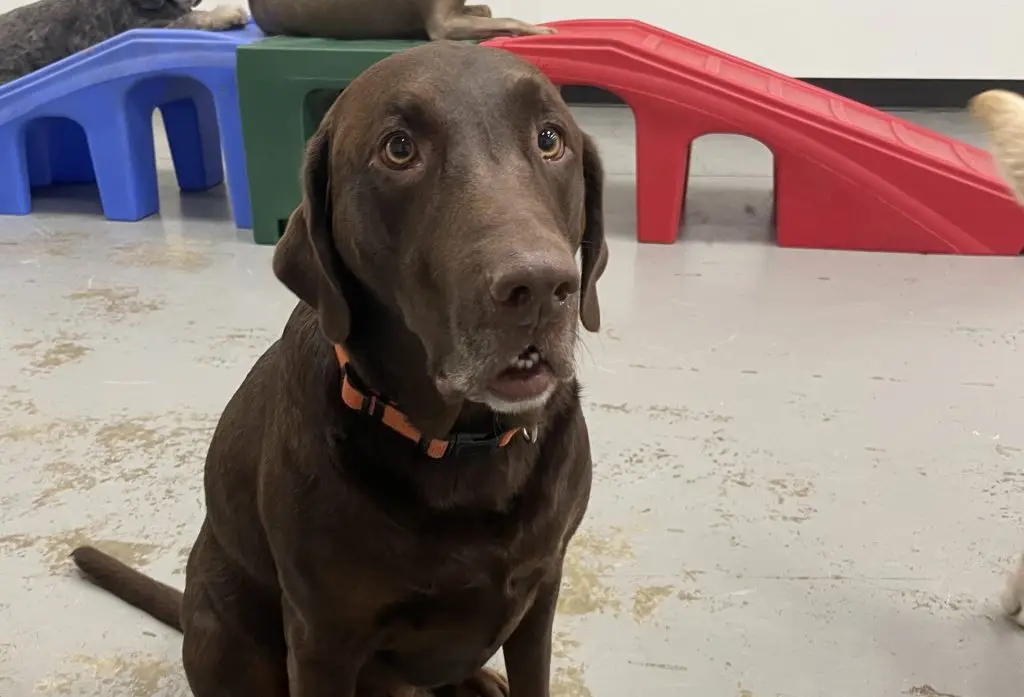
Typical Age by Size
| Breed Size Category | Adult Weight Range | Typical Age Considered an Adult |
| Toy Breeds | Under 10 lbs | 9 to 12 months |
| Small Breeds | 10 to 25 lbs | 12 months |
| Medium Breeds | 25 to 50 lbs | 12 to 14 months |
| Large Breeds | 50 to 90 lbs | 15 to 18 months |
| Giant Breeds | 90+ lbs | 18 to 24 months |
Physical Growth vs Emotional Maturity
Reaching full height does not mean a dog is mentally mature.
- Physical Adulthood: The point where a dog stops growing taller, fills out in chest width, and reaches their adult weight.
- Emotional Adulthood: Canine adolescence often extends well past physical growth. Dogs frequently exhibit puppy-like exuberance, boundary-testing, and high energy until they are roughly 2 years old, regardless of how large they are.
Skeletal Maturity and Safe Exercise
Large and giant breed puppies have delicate, slow-closing growth plates at the ends of their long bones. High-impact activities—such as intense long-distance running, agility jumping, or excessive stair climbing—should be strictly managed during their growth phase. Review proper activity limits in our guide on exercise by dog age to protect developing joints.
Sexual Maturity vs Adulthood
Dogs typically reach sexual maturity (the ability to reproduce) much earlier than they reach full adulthood—often between 6 and 9 months of age. However, hormonal maturity does not equal social maturity; adolescent dogs still require structured guidance, consistent boundaries, and professional adolescent dog training.
When to Switch From Puppy Food
Puppy food is packed with extra calories, calcium, and protein required for rapid tissue development. Feeding puppy food past physical maturity can lead to unhealthy weight gain or skeletal issues. Once your dog reaches their adult size, transition them to maintenance food by following guidelines on adult dogs and puppy food.
How Training Needs Change in Adolescence
Just like human teenagers, young dogs entering early adulthood often test household rules, experience temporary “selective deafness,” and display adolescent regression. Consistent reinforcement is essential. Remember that learning is lifelong; you can always review tips on training dogs at any age.
Signs Your Dog Is Still Maturing
- Sudden bursts of impulsive energy or difficulty settling down.
- Boundary pushing during routine commands.
- Continued physical filling out across the chest, shoulders, and skull shape.
When to Ask Your Veterinarian
Consult your veterinarian during routine wellness exams to determine the exact moment your specific dog has achieved full weight stabilization and skeletal maturity, ensuring you transition their diet and exercise routines safely.
Frequently Asked Questions
Is a one-year-old dog an adult?
For small and toy breeds, yes. However, for large and giant breeds, a one-year-old dog is still a growing adolescent with developing bones and joints.
When do large dogs become adults?
Large and giant breeds typically reach full physical and skeletal maturity between 18 and 24 months of age.
When should a dog stop eating puppy food?
Most dogs transition to adult food around 12 months of age, though giant breeds may need puppy or growth-formulated food up to 18 to 24 months under veterinary guidance.
At what age is a dog fully grown?
Depending on their breed size, dogs are fully grown anywhere from 10 months (toy breeds) to 2 years (giant breeds).
Why does an adult-sized dog still act like a puppy?
Emotional and mental maturity lags behind physical growth. Many dogs keep their playful, high-energy puppy personality well into their second or third year.
To learn more about early milestones, explore our insights into puppy development and breed size.