
If you have ever been jolted awake at 3:00 AM by a series of loud, persistent meows, you are not alone. Feline nocturnal vocalization is one of the most common complaints among American cat owners. While it can be frustrating for a sleep-deprived human, to a cat, these vocalizations are often a logical response to their internal clock or environmental needs.
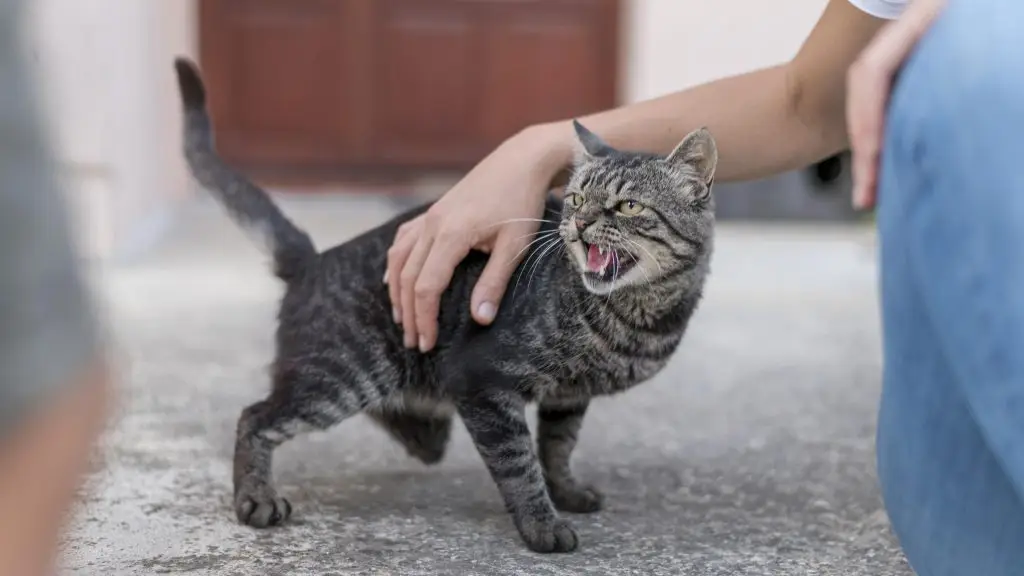
Quick Answer: Night Meowing Is Often Linked to Boredom or Routine
In most cases, a cat meowing at night is trying to communicate a need that isn’t being met during the day. This usually boils down to a lack of physical or mental stimulation, leading to “boredom meowing,” or a learned behavior where the cat knows that making noise eventually results in a late-night snack or a head scratch from their owner.
Cats are naturally more active at night
While not strictly nocturnal, cats are crepuscular, meaning they are most active during the dawn and dusk hours. In a quiet U.S. household where the family is at work or school all day, a cat may spend 8–10 hours napping. By the time you are ready for bed, your cat has a full tank of energy and is ready for their “peak” activity period.
Common Reasons Cats Meow at Night
Hunger or feeding schedule
If you feed your cat immediately upon waking up in the morning, your cat may start meowing earlier and earlier to “trigger” that event. Similarly, if there is too long a gap between the final evening meal and breakfast, your cat’s stomach may growl in the middle of the night, leading them to demand a midnight snack.
Loneliness or attention-seeking
Cats are social creatures. If they feel isolated in a separate part of the house, they may meow to locate their “pride” (you). Many owners unintentionally reinforce this: if you shout “Quiet!” or get up to check on the cat, you have given them exactly what they wanted—attention. To a bored cat, even a “scolding” is better than being ignored.
Stress, aging, or health issues
- Stress: Changes in the home—such as a new roommate, a recent move, or even a stray cat visible through a window—can trigger anxiety-driven vocalization.
- Health: Hyperthyroidism and high blood pressure are common in middle-aged and senior cats in the U.S. and can lead to increased irritability and vocalization.
- Aging: Cognitive Dysfunction Syndrome (CDS) is essentially feline dementia. Senior cats may become disoriented at night, leading to “lost” meows as they forget where they are in the dark.
How to Stop Nighttime Meowing
Adjust playtime and feeding
- The “Hunt-Eat-Sleep” Method: Engage your cat in a vigorous 15-minute play session with a wand toy right before bed. Follow this immediately with a high-protein meal. This mimics the natural feline cycle of catching prey, eating, and then grooming/sleeping to digest.
- Automatic Feeders: These are a lifesaver for U.S. pet owners. Program a small snack to be dispensed at 3:00 AM. This shifts the cat’s focus from you to the machine.
Ignore attention-seeking behavior consistently
This is the hardest but most effective step. If you are certain your cat is not in pain or danger, you must completely ignore the meowing. Do not talk to them, do not look at them, and do not get out of bed. If you give in after 40 minutes of meowing, you have simply taught the cat that they need to meow for 40 minutes to get what they want.
Environmental enrichment
Provide “night-safe” toys that don’t make loud noises (like felt mice instead of bell balls). Cat trees placed near windows with a view of a streetlamp can provide “Cat TV,” giving them something to watch other than your closed bedroom door.
When to Talk to a Vet
Sudden changes in behavior
If a normally quiet cat suddenly becomes a midnight screamer, it is rarely just “personality.” It often indicates a medical issue like a Urinary Tract Infection (UTI) or discomfort. A quick check-up can rule out physical pain.
Senior cats and cognitive issues
If your cat is over 10 years old and seems confused or vocalizes while staring at walls, talk to your vet about supplements or pheromone diffusers (like Feliway) that can help calm senior feline anxiety and manage the symptoms of CDS.
FAQs
Is night meowing normal?
To an extent, yes. Occasional vocalization during active crepuscular hours is natural. However, persistent, loud, or distressed meowing that disrupts your sleep is a sign that the cat’s routine needs adjustment.
Should I feed my cat at night?
Providing a small, scheduled meal or using a puzzle feeder at night is a great way to keep them occupied. However, you should avoid “free-feeding” large amounts, as obesity is a significant health concern for indoor American cats.
Can anxiety cause excessive meowing?
Absolutely. Separation anxiety or changes in the household hierarchy can cause a cat to feel insecure. In these cases, focus on creating a predictable routine and providing plenty of vertical space (cat trees) to help them feel secure.
Restore Peace to Your Evenings
Understanding your cat’s nighttime needs is the first step toward a full night’s rest for everyone in the home. If you’ve tried adjusting schedules and ignoring the noise but still find yourself awake at dawn, it might be time for a professional touch.
Don’t let sleep deprivation strain your bond with your pet. Contact the experts at SleepyWhiskers Behavioral Consulting today. Our team provides customized nighttime blueprints tailored to your cat’s specific needs, helping you turn midnight meows into silent slumber. Click here to book your consultation!