
It’s a classic scene: you get up to grab a glass of water, and before you’ve taken two steps, you hear the pitter-patter of paws right behind you. For many dog owners, being a “human magnet” is a daily reality. But why exactly does your dog feel the need to be your shadow?
At Golden Paw Pet Services, we understand that a dog’s behavior is often a complex mix of instinct, personality, and the bond they share with you. Understanding why your dog follows you is the first step in determining if it’s just pure love or if there’s an underlying need for more independence.
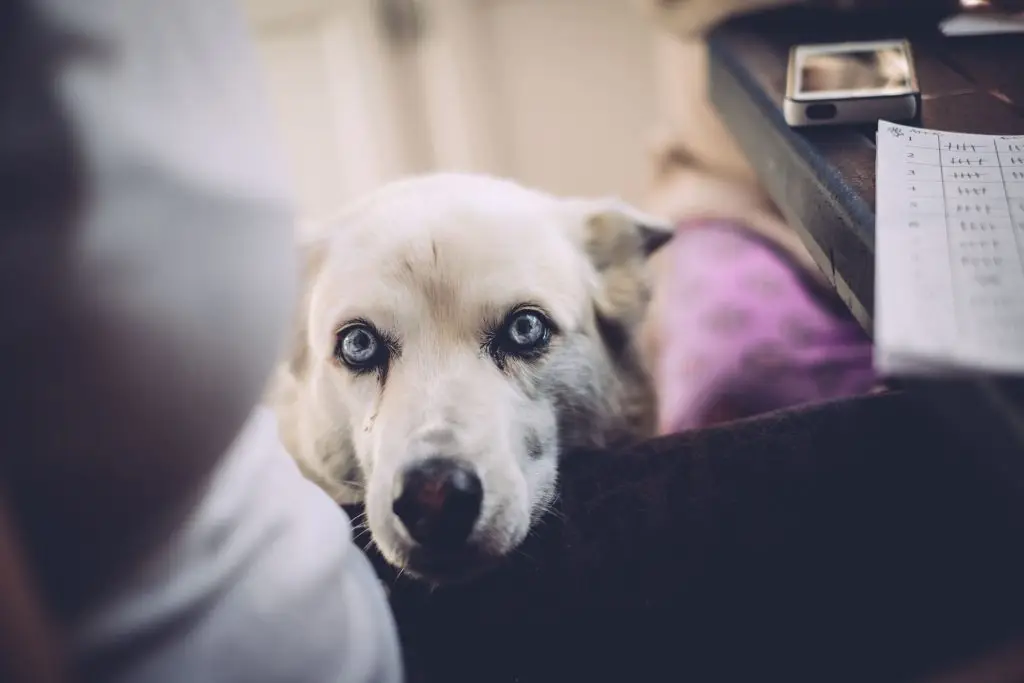
What It Means When Your Dog Follows You Everywhere
In most cases, your dog following you is a positive reflection of your relationship. It typically signals:
- Attachment & Trust: You are their safe space. They feel secure when you are nearby, and following you is a way to maintain that connection.
- Routine: Dogs are masters of predictability. If your movement usually precedes a walk, feeding, or playtime, they’re simply waiting for the next “event” in their day.
- Curiosity: From their perspective, you are the most interesting person in the room. They want to know where you’re going and what you’re doing—especially if it involves the kitchen!
However, there is a threshold. If your dog cannot settle, seems perpetually restless, or displays signs of distress when you are out of sight, it may be a sign of anxiety rather than simple affection.
Common Reasons Dogs Follow Their Owners
Understanding the why helps you better manage the behavior:
- Pack Instinct & Social Bonding: Dogs are naturally social pack animals. Being part of a group is how they survive, and to them, you are their “pack leader.”
- Positive Reinforcement: Have you ever talked to your dog or given them a treat when they followed you? Even accidental attention (like saying “Hey, why are you following me?”) reinforces the behavior as a way to get a reaction from you.
- Boredom: If your dog doesn’t have enough physical exercise or mental stimulation, following you becomes a source of entertainment.
- Separation Anxiety: If the “shadowing” is accompanied by whining, panting, or destructive behavior, it could be a sign that your dog is genuinely distressed when left alone.
Is It Normal for Dogs to Be Clingy?
There is a distinct difference between a “Velcro dog” and a dog with separation anxiety.
- Normal Attachment: Your dog enjoys being near you, maybe follows you to the kitchen or bathroom, but settles down comfortably to nap when you are busy or move to another room. They are happy to be with you but don’t depend on your presence to remain calm.
- Velcro Dog Behavior: Some breeds are genetically predisposed to this. Working breeds (like Border Collies or German Shepherds) are “velcro” because they were bred to work closely with humans. Companion breeds (like Havanese or Toy Poodles) were bred specifically to be lap dogs. In these cases, clinginess is less of a behavioral issue and more of a breed characteristic.
How to Help a Dog Become More Independent
If the “shadowing” is becoming a bit much, you can encourage more self-confidence through a few simple practices:
- Build Confidence with “Place” Training: Teach your dog to go to a specific “place” (a bed or a crate) for a set time with a long-lasting treat. This reinforces that they can be safe and happy even when not right next to you.
- Create Enrichment Routines: A bored dog is a clingy dog. Introduce scent games, puzzle toys, or short, intense training sessions that tire out their brain, leading to longer, more independent nap times.
- Reward Calm Behavior: If your dog is relaxing on their own, calmly praise them or toss a treat their way without making a big fuss. This rewards independence rather than demanding attention.
- Short Alone-Time Exercises: Start small. Practice walking into another room, closing the door, and returning after a few seconds before your dog gets anxious. Gradually increase the time.
When to Ask a Trainer or Vet for Help
If you notice that your dog is becoming destructive, vocalizing excessively (howling or whining for long periods), or showing signs of self-injury when you aren’t around, it is time to consult a professional. A certified trainer or veterinary behaviorist can help identify if your dog is suffering from true separation anxiety, which often requires a structured, clinical approach to resolve.
FAQ
Why does my dog follow me to the bathroom?
It’s rarely about you! The bathroom is often a high-interest area filled with scents or simply a place where they know they will have your undivided attention for a few minutes.
Is it bad if my dog follows me everywhere?
Not necessarily. If your dog is relaxed and can settle down independently, it’s just a sign of a strong bond. It only becomes “bad” if it prevents them from being happy when you aren’t around.
Are dogs protective when they follow you?
Sometimes, but often it’s insecurity rather than protectiveness. A dog that follows you because they are scared of the environment is looking for you to protect them, not the other way around.
How do I stop my dog from being so clingy?
Focus on “independence training.” Encourage them to stay in their own space with engaging toys and reward them when they choose to relax away from you.
Can dog daycare help clingy dogs?
Absolutely! Daycare at a facility like Golden Paw Pet Services provides vital social interaction with other dogs and a structured environment that can build confidence and tire out high-energy dogs, making them more relaxed at home.
Is your dog struggling with “Velcro” behavior or separation stress? At Golden Paw Pet Services, we specialize in creating a balanced environment where your dog can socialize, learn, and gain the confidence they need to thrive. Whether you need professional training guidance or a fun-filled day of play to help tire out an energetic companion, we’re here to help.
Contact Golden Paw Pet Services today to schedule a consultation or daycare visit!