
If your backyard has started to look more like a lunar landscape than a pet paradise, you aren’t alone. Digging is one of the most common—and frustrating—canine behaviors. At Golden Paw Pet Services, we see this daily, and the good news is that digging is almost always a form of communication. Your dog isn’t trying to be “bad”; they are simply trying to tell you something.
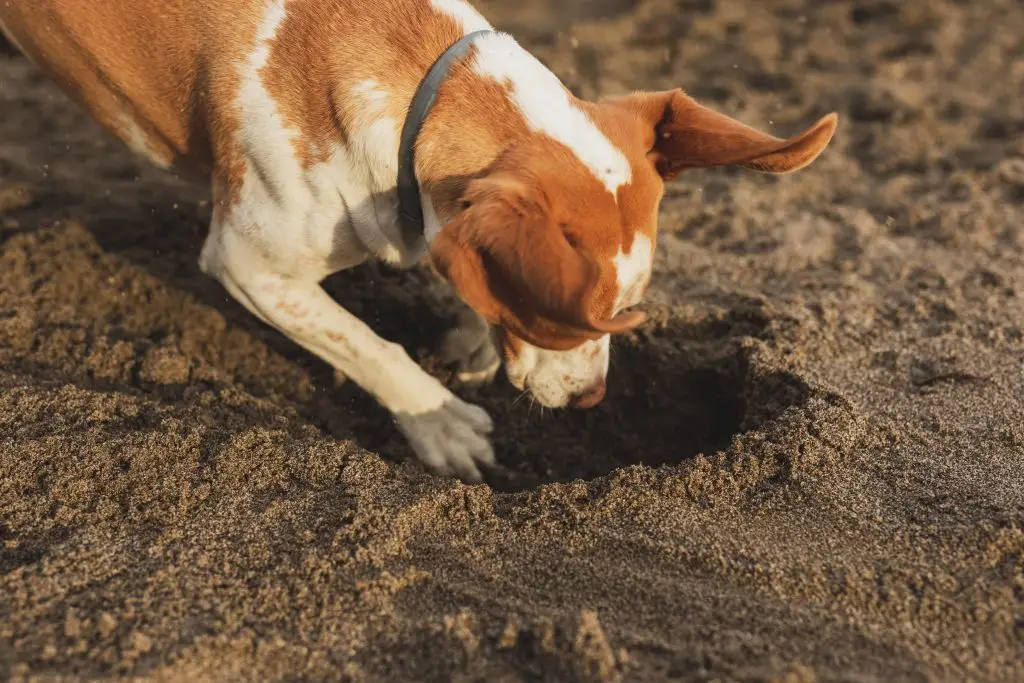
Quick Answer: Why Do Dogs Dig?
Dogs dig primarily due to boredom, instinct, or environmental needs. Whether they are trying to cool down, chasing a scent, or simply lack enough mental and physical stimulation, digging is their way of interacting with the world. The key to stopping it lies in identifying the “why” and providing a healthy outlet for that energy.
Is Digging Normal Dog Behavior?
Yes, absolutely. Digging is an innate behavior rooted in your dog’s ancestry. Whether they were bred to track prey, tunnel into burrows, or create shelter in the wild, the urge to move earth is “hard-wired” into their DNA. While it may be a nuisance in a manicured lawn, to your dog, it is a perfectly logical way to pass the time or satisfy a biological urge.
Common Reasons Dogs Dig
- Boredom & Lack of Exercise: A tired dog is a good dog. If your pet has excess energy and nowhere to put it, they will “work” by excavating your garden.
- Anxiety or Stress: For dogs suffering from separation anxiety, digging can be a self-soothing or escape-oriented behavior.
- Hunting Instincts: If your yard has moles, gophers, or even insects moving beneath the soil, your dog is likely “on the job” trying to catch them.
- Temperature Control: On hot days, dogs dig to reach the cooler, damp soil underneath the surface.
- Escape Artist Tendencies: If your dog digs specifically along the fence line, they are likely trying to create a path to something interesting on the other side.
- Hidden Treasures: Instinct drives many dogs to bury high-value treats or toys to protect them from “competitors.”
How to Tell Why Your Dog Is Digging
Observe the where and when:
- Fence lines: Usually indicates boredom, anxiety, or the desire to escape.
- Specific patches or “tunnels”: Often points to a pest problem.
- Near shade or water: Clearly an attempt to regulate body temperature.
- Scattered holes across the yard: Frequently a sign of a bored, under-stimulated dog looking for “work.”
How to Stop a Dog From Digging
- Increase Daily Exercise: Many “digging problems” are actually “energy problems.” A longer walk or a game of fetch can solve the issue overnight.
- Add Mental Enrichment: Use puzzle toys, snuffle mats, or frozen Kongs to tire out their brain, not just their body.
- Create a Safe Digging Area: Designate a sandbox or a specific corner of the yard where digging is allowed. Bury toys there to encourage them to dig in the “right” spot.
- Block Escape Routes: Use heavy rocks or chicken wire (buried slightly underground) along fence lines if your dog is an escape artist.
- Avoid Punishment: Scolding a dog after they’ve already dug a hole is ineffective. They won’t connect your frustration with their action—they’ll only learn to fear you when you come into the yard.
When Digging May Signal Anxiety
If your dog’s digging is accompanied by pacing, howling, or destruction when you leave the house, it is likely tied to separation anxiety. This isn’t a training issue; it’s a mental health need. In these cases, punishment will only increase their stress.
How Daycare and Training Can Help
At Golden Paw Pet Services, we see firsthand how structured social interaction transforms “problem” dogs.
- Daycare: Provides the physical and social outlets that prevent digging-induced boredom.
- Training: Our enrichment-based training focuses on redirecting those natural instincts into positive activities, helping your dog learn what is “off-limits” while giving them clear, rewarding alternatives.
FAQ
Why does my dog dig holes in the yard?
They are likely bored, trying to cool down, or hunting pests. Look for patterns in where they dig to understand their specific motivation.
How do I stop my dog from digging under the fence?
Bury chicken wire 1–2 feet deep along the fence line or place large, heavy stones at the base of the fence to create a physical deterrent.
Do dogs dig because they are bored?
Yes, it is one of the most common causes. Without “work” to do, dogs create their own entertainment, which often involves moving dirt.
Should I punish my dog for digging?
No. Punishment rarely works and can damage your bond. Instead, focus on redirection and addressing the underlying need (boredom, heat, or anxiety).
What breeds are most likely to dig?
Terriers (Jack Russells, Airedales), Huskies, Malamutes, and Dachshunds are genetically predisposed to digging due to their history as hunters and burrowers.
Tired of managing “potholes” in your lawn?
Let the experts at Golden Paw Pet Services help you channel your dog’s energy into something productive! Click here to schedule a consultation or daycare trial today and let us give your pup the enrichment they deserve!