
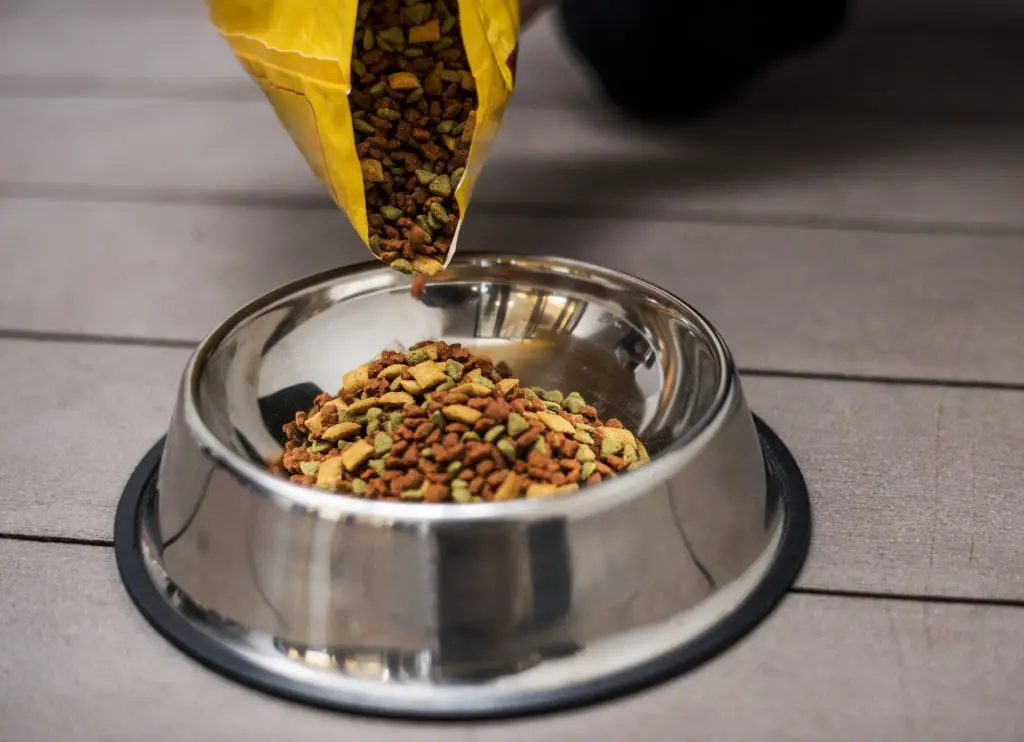
While puppy and adult dog food may look identical in the bowl, they are formulated with vastly different nutritional profiles. Feeding a dog the wrong formula for their life stage can lead to long-term health complications, particularly concerning bone density and weight management.
Core Nutritional Differences
The Association of American Feed Control Officials (AAFCO) sets different standards for “growth and reproduction” (puppies) versus “adult maintenance.”
Calories and energy needs
Puppies are essentially “growth engines.” They require significantly more calories per pound of body weight than adult dogs to fuel their rapid physical development and high activity levels. Consequently, puppy food is much more energy-dense; a single cup of puppy kibble often contains significantly more calories than a cup of adult kibble.
Protein and fat content
- Protein: Puppies need higher concentrations of amino acids to build new tissues, muscles, and organs. Puppy formulas generally contain 25%–30% protein, whereas adult foods typically range from 18%–24%.
- Fat: Fat is a primary energy source. Puppy food has a higher fat content to meet their metabolic demands, while adult food is leaner to prevent obesity in less active dogs.
Calcium and phosphorus balance
This is the most critical difference. Puppies need more calcium and phosphorus for bone mineralization. However, the ratio is just as important as the amount. In adult food, these levels are lower because the bones are already formed. In puppy food, specifically large-breed formulas, these minerals are strictly controlled to ensure bones don’t grow too fast, which can lead to structural weakness.
Why Puppies Need a Different Formula
The nutritional needs of a puppy aren’t just about “more” food; they are about “targeted” nutrition for specific biological processes.
Brain and muscle development
Most high-quality puppy foods are enriched with DHA (Docosahexaenoic Acid), an omega-3 fatty acid found in mother’s milk. DHA is vital for healthy brain and vision development. While some adult foods include it, it is a mandatory staple for puppies to ensure they are trainable and alert.
Bone growth support
Because puppies’ skeletons are soft and largely made of cartilage, the dense mineral profile in puppy food ensures that this cartilage is replaced by strong bone at a healthy, steady rate.
Check it out: When to Change to Adult Dog Food?
What Happens If the Wrong Food Is Used
Puppy food for adults (weight gain)
If an adult dog eats puppy food long-term, they are consuming a surplus of calories and fat they don’t need. This almost inevitably leads to obesity, which puts stress on the heart and joints. Furthermore, the excess calcium can, in some cases, contribute to kidney stones or other mineral imbalances in older dogs.
Adult food for puppies (growth issues)
Feeding a puppy adult food is a form of malnutrition. They may suffer from stunted growth, weakened immune systems, and “soft bones” that are prone to bowing or fracturing because they aren’t receiving the mineral density required for their development.
Check it out: Best Dog Food for Senior Dogs
Choosing the Right Food for Each Life Stage
Reading labels correctly
Look for the AAFCO Statement on the back of the bag. It will say “is formulated to meet the nutritional levels established by the AAFCO Dog Food Nutrient Profiles for…”
- Growth: This is for puppies.
- Maintenance: This is for adults.
- All Life Stages: This meets the requirements for both.
Breed-specific considerations
Size matters. A Great Dane puppy needs “Large Breed Puppy Food,” which has lower fat and carefully calibrated calcium to prevent them from growing too quickly. A Chihuahua puppy needs small-kibble puppy food to accommodate their tiny mouths and higher metabolic rates.
FAQs
Can adult dogs eat puppy food occasionally?
Yes. An occasional bowl of puppy food won’t harm an adult dog, though it may cause a minor stomach upset due to the richness. It should never be their primary diet.
Do puppies need puppy food until one year old?
Usually, yes. However, giant breeds may need a growth formula for up to 24 months, while some toy breeds finish growing by 9 months. Consult your vet for a specific timeline.
Is “all life stages” food a good option?
“All life stages” food is essentially puppy food, as it must meet the highest nutritional requirements (growth). While convenient for multi-dog households, it can be too calorie-heavy for sedentary adult dogs, so portion control is vital.
Healthy Growth Starts with the Right Nutrition.
Navigating the transition from puppyhood to adulthood can be complex, but you don’t have to do it alone. At Golden Paw Pet Services, we support pet parents through every stage of their dog’s life. Whether you need a consistent feeding schedule while you’re at work or a professional walker to help burn off that “puppy energy,” we are here to help.
Ensure your dog gets the care they deserve at every age. Contact Golden Paw Pet Services today for reliable, professional pet care!
Check it out: How to Keep Ants Out of Your Dog’s Food Bowl (Easy & Safe Solutions)