
Crate training, when done correctly, is far more than just putting your dog in a box; it’s about providing a safe, comfortable den that your dog views as their own personal sanctuary. For both dogs and their owners, the benefits are immense, ranging from easier house-training to a secure space for rest and travel. The key to success lies in a positive, gradual, and stress-free approach, transforming the crate from a perceived punishment into a beloved retreat.
Benefits of crate training for dogs & owners
A crate can be a powerful tool for a dog’s well-being and an owner’s peace of mind.
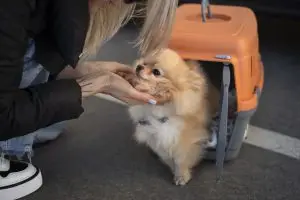
- House-Training Aid: Dogs are naturally clean animals and generally won’t soil their sleeping area. This instinct makes the crate an invaluable tool for teaching bladder and bowel control, especially for puppies.
- Safety and Security: A crate provides a secure, confined space where your dog can be safe when you can’t directly supervise them (e.g., while you’re at work, sleeping, or out of the house). It protects them from household hazards and prevents destructive behaviors.
- Den Instinct: Dogs are den animals by nature. A well-introduced crate can tap into this instinct, becoming a cozy, private space where your dog feels secure and can retreat for rest or to escape overwhelming situations.
- Travel and Vet Visits: A dog accustomed to a crate will be less stressed during car travel, vet visits, or stays at boarding facilities, as their familiar den provides comfort in new environments.
- Management of Unwanted Behaviors: Crating can prevent behaviors like chewing furniture, counter-surfing, or bothering guests when direct supervision isn’t possible.
- Post-Surgery Recovery: Veterinarians often recommend crate rest for dogs recovering from injuries or surgery, and a crate-trained dog will adapt much more easily to this necessary confinement.
- Peace of Mind for Owners: Knowing your dog is safe, secure, and comfortable while you’re away or busy provides immense peace of mind.
Choosing the right crate size & type
Selecting the appropriate crate is foundational to successful crate training.
- Size Matters: The crate should be just large enough for your dog to comfortably stand up, turn around, and lie down.
- Too Small: Will be uncomfortable and may lead to aversion to the crate.
- Too Large: Especially for puppies, a crate that is too big allows them to designate one corner as a “bathroom,” defeating the house-training purpose. If training a puppy, consider a crate with a divider that can be moved as they grow.
- Crate Types:
- Wire Crates:
- Pros: Excellent ventilation, collapsible for travel/storage, easy to clean, often come with dividers. Good visibility for the dog.
- Cons: Can feel less “den-like” to some dogs (can be covered), can be noisy if the dog moves around.
- Plastic Crates (Airline-Approved):
- Pros: More den-like (cozy, private), good for nervous dogs, airline approved for travel, relatively easy to clean.
- Cons: Less ventilation than wire (can be hotter), harder to store, no dividers for growing puppies.
- Soft-Sided Crates:
- Pros: Lightweight, highly portable, good for travel or car trips.
- Cons: Not suitable for chewers or dogs prone to accidents (hard to clean), less secure, less ventilation. Best for already crate-trained dogs.
- Furniture Crates/End Tables:
- Pros: Aesthetically pleasing, blends into home decor.
- Cons: Often more expensive, less portable, may lack dividers. Ensure good ventilation.
- Wire Crates:
Location: Place the crate in a central, family area initially (e.g., living room, bedroom). Dogs are social animals and want to be near their family. As they become comfortable, you can move it to a quieter spot if desired.
Step-by-step introduction & daily routines
The key to positive crate training is patience, positive reinforcement, and never using the crate as punishment.
1. Make the Crate Inviting:
- Place a soft, comfortable bed, blanket, or towel inside.
- Toss in a few high-value treats or a favorite toy.
- Leave the door open.
2. Initial Introduction:
- Let your dog explore the crate on their own. Don’t force them in.
- If they go in, praise them enthusiastically and give a treat.
- Feed meals near the crate, then inside the crate with the door open. Gradually close the door for short periods while they eat, opening it immediately after they finish.
3. Short Stays, Door Closed:
- Once your dog is comfortable eating inside with the door closed, begin short, supervised stays.
- Toss a treat or a Kong filled with peanut butter inside, say a cheerful cue like “Crate up!” or “Kennel!”, and close the door.
- Stay nearby for a few minutes. If your dog remains calm, open the door and let them out. Gradually increase the time.
- If they whine or cry, ignore it for a few moments (unless it’s continuous or frantic, which might mean the session is too long). Wait for a brief pause in crying before opening the door, so you don’t reinforce the whining.
4. Leaving the Room:
- Once your dog is comfortable with you in the room while the door is closed, start leaving the room for very short periods (e.g., 1-2 minutes).
- Gradually increase the duration as they remain calm.
- Important: When you return, don’t make a big fuss. Greet them calmly. Wait for them to be quiet before letting them out.
5. Longer Stays & Overnight:
- Gradually extend crate time for longer periods, building up to a few hours during the day or overnight.
- Always ensure your dog has had adequate exercise and a potty break immediately before crating.
- For overnight, place the crate in your bedroom initially so your dog doesn’t feel isolated.
Daily Routine:
- Before Crating: Always ensure your dog has had a potty break and some physical and mental exercise. A tired dog is a happy crate-trained dog.
- When Released: Take your dog straight outside for a potty break. Reward heavily for success.
- Consistency: Everyone in the household must follow the same routine and rules.
Common challenges & how to address them
Crate training isn’t always smooth sailing. Here are common hurdles and how to overcome them:
- Whining/Crying:
- Is it a real need? Ensure your dog has had food, water, and a potty break.
- Is it too soon/too long? You might be progressing too quickly or leaving them too long. Shorten sessions.
- Is it attention-seeking? If you’ve ruled out needs, ignore short bouts of whining. Only open the door when they are quiet for a few seconds. This teaches them crying doesn’t work.
- Separation Anxiety? Persistent, frantic barking/howling, drooling, destructive behavior in the crate, or injuring themselves trying to escape can indicate separation anxiety, which requires professional intervention.
- Accidents in the Crate:
- Crate is too big: Use a divider to make it just large enough for them to stand, turn, and lie down.
- Not enough potty breaks: Puppies especially need frequent breaks.
- Clean thoroughly: Any lingering scent of urine will encourage future accidents. Use an enzymatic cleaner.
- Medical issue: Rule out UTIs or other health problems with a vet visit.
- Resistance/Fear of the Crate:
- Never force: Do not push or throw your dog into the crate. This builds negative associations.
- Go back to basics: Make the crate super positive. Feed all meals in it, play crate games (toss toys in), leave the door open all the time with treats inside.
- Cover the crate: Some dogs feel more secure with a blanket or towel over the crate to create a den-like feel.
- Calming Aids: Consider DAP (dog appeasing pheromone) diffusers or sprays, calming supplements (consult vet first), or a Thundershirt during initial training.
- Destructive Behavior in the Crate:
- Boredom/Lack of Exercise: Ensure your dog is well-exercised before crating.
- Anxiety: If it’s frantic, paired with other anxiety signs, seek professional help.
- Appropriate Chew Toys: Provide durable, safe chew toys (e.g., Kongs filled with frozen peanut butter, bully sticks) to keep them occupied.
Patience and Consistency are Key: Crate training can take days, weeks, or even months. Never give up; simply adjust your approach and be consistent.
Golden Paw’s training support programs
At Golden Paw Pet Services, we understand that crate training is a valuable skill for every dog and owner, and we’re here to support you through the process. Our experienced trainers utilize positive, force-free methods to make crate training a successful and stress-free experience for your dog.
- One-on-One Crate Training Consultations: For personalized guidance, our trainers offer private sessions. We’ll assess your dog’s specific needs, recommend the best crate setup, demonstrate effective introduction techniques, and help troubleshoot any challenges you’re facing. This hands-on support ensures you build confidence in the process.
- Puppy Socialization & Crate Training Classes: Our puppy programs often incorporate positive crate exposure as a fundamental part of early training. Puppies learn to associate the crate with positive experiences in a supervised, fun environment, building a strong foundation for future success.
- Boarding with Crate Reinforcement: If your dog stays with us for boarding, and they are already crate-trained, we can help reinforce their positive association with the crate as part of their routine, ensuring consistency even when you’re away. We prioritize their comfort and security in their personal space.
- Addressing Crate-Related Anxiety: For dogs struggling with crate-related anxiety or fear, our trainers can work with you to implement desensitization and counter-conditioning protocols. We focus on building confidence and reducing stress, gradually helping your dog feel safe and comfortable in their den.
- Comprehensive Training Approach: Crate training is often intertwined with house-training, obedience, and managing separation anxiety. Our holistic training approach ensures that your crate training efforts complement other behavioral goals, leading to a well-adjusted and happy dog.
Let Golden Paw Pet Services guide you through a positive and successful crate training journey, setting your dog up for a lifetime of comfort and security.
Check it out: Dog Training in Marlborough, MA
Ready to unlock the benefits of positive crate training for your dog? Contact Golden Paw Pet Services today to learn more about our training support programs and schedule a consultation!